



Chicago Transit Authority cuts management positions
In addition to cutting 54 non-union positions, including 26 manager-level posts, the agency is reducing expenses which, when combined with personnel moves, will save $15 million annually.

The Chicago Transit Authority (CTA) has eliminated 54 non-union positions, including 26 manager-level positions, in an effort to reduce costs, transit officials said today. In addition, the CTA is reducing expenses which, when combined with personnel moves, will save the agency $15 million annually. The reductions meet Mayor Rahm Emanuel’s target for leaner senior management at city agencies, officials said.
Nearly half the cost savings are from personnel reductions. CTA will save approximately $7.6 million in salaries and benefits — a 10 percent reduction in senior management. None of the positions are safety related or directly impact service. Additional savings of $900,000 in labor and benefit costs will be achieved by delaying hiring for open positions that have been deemed necessary. A reduction in materials, utilities and contractual services expenses will further reduce costs for 2011.
“The CTA faces severe financial challenges and cannot wait for next year’s budget to begin making cuts,” said CTA President Forrest Claypool. “By reorganizing and streamlining, we gain immediate savings with no adverse effect on the current level and quality of service provided to customers.”
The 2012 budget is still in the early stages of development, but several short-term solutions used to balance the budget in past years will no longer be options. Going forward, staff has been asked to identify additional personnel and expense reductions for 2012.
More Paratransit

Driving Smarter Paratransit
John Hanlon shares how AlphaRoute is leveraging AI-powered technology to help paratransit providers optimize operations, support frontline staff, and enhance the rider experience.
Read More →
METRO Magazine Announces 2026 Innovative Solutions Awards Winners
Projects Recognized for Advancing Mobility Through Technology, Accessibility, Workforce Innovation, and Operational Excellence
Read More →
Biz Briefs: STV teams with Amtrak, Motorcoach Operators Boost Fleet and Land Contracts, and More
From manufacturers and suppliers to transit agencies and motorcoach operators, these updates offer a snapshot of the projects, partnerships and business moves driving the industry forward.
Read More →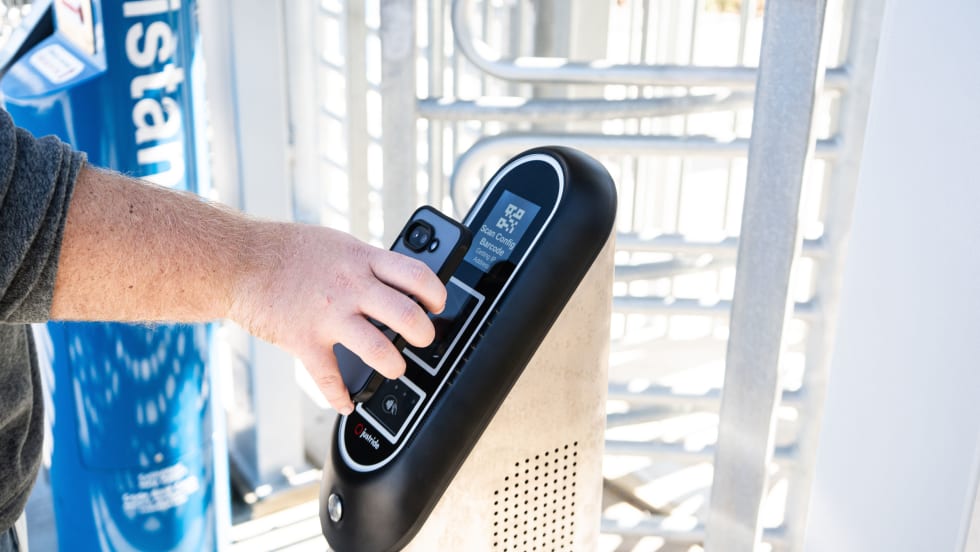
Biz Briefs: Masabi Teams with St. Louis Metro and More
In METRO's latest installment, we take a look at recent news from Transdev, Hitachi, and more partnerships making headlines across the transportation sector.
Read More →
New York MTA Leverages Zoning Program to Advance Station Accessibility
Accessibility enhancements at Nevins St Station will be financed through a development agreement tied to the MTA's Zoning for Accessibility initiative.
Read More →
Reinventing Fleet Maintenance with Real-time Visibility and AI
Transit leaders need to know what needs fixing, where to look, who is responsible, when work is completed, and what it costs without having to chase information across disconnected systems.
Read More →
SamTrans Sets Priorities for Potential Connect Bay Area Revenue
The board-approved framework allocates future funding to maintaining service, rider improvements, equity initiatives, and infrastructure repairs.
Read More →
Chicago's NITA Act Moves Into Next Phase as Service Improvements Begin
Rider-focused improvements will begin rolling out across the system immediately as CTA, Metra, and Pace increase service this summer in the six-county region.
Read More →
2026 METRO Buyer’s Guide & Directory
Searching for the right vehicles, technology, equipment, or services for your public transit or motorcoach operation? This industry guide brings together manufacturers and suppliers from across the transportation market — all in one place. Download it to connect with the companies that help agencies and operators improve mobility, enhance operations, and move their organizations forward.
Read More →
Rays the Mark Foundation to Honor CDTA’s Emily DeVito at October Fundraiser
Event at Chicago-area Ravisloe Country Club will support DeVito, a transit employee and mother of twins battling kidney failure and awaiting a transplant.
Read More →