



Cincinnati Metro Places 10 New GILLIG Hybrid Buses into Service
The fleet enhancements are at the forefront of Metro's sustainability efforts, which reflect a continued strategy toward greener, more efficient transit operations.

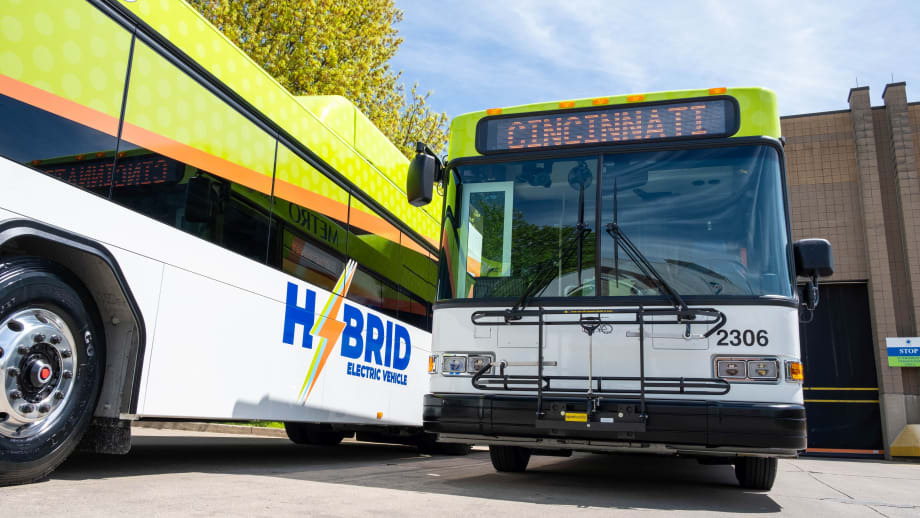
In the past decade, Metro has made significant investments in modernizing its fleet to include hybrid and mini-hybrid buses. The current fleet of 304 buses is all hybrid or mini-hybrid vehicles.
Photo Cincinnati Metro
Cincinnati Metro placed 10 new GILLIG hybrid-electric buses into service.
The fleet enhancements are at the forefront of Metro's sustainability efforts, which reflect a continued strategy toward greener, more efficient transit operations.
Cincinnati Metro’s Green Path
In the past decade, Metro has made significant investments in modernizing its fleet to include hybrid and mini-hybrid buses. The current fleet of 304 buses is all hybrid or mini-hybrid vehicles. In 2015, the fleet was comprised of 103 mini-hybrid buses, which represents a 295% increase in hybrid vehicles in that time frame.
Metro is also testing new technology on these hybrid-electric buses aimed at eliminating emissions in targeted zones where air quality concerns are heightened. Once within these geotargeted areas, the buses transition to full electric mode, removing fuel use and resulting in zero emissions.
"Advances in vehicle technology play a huge part in our sustainability efforts, but it goes beyond just updating the fleet," said Darryl Haley, Metro’s CEO/GM. "We have implemented a comprehensive range of initiatives aimed at minimizing our environmental footprint across all aspects of our operations."
Going Greener Not Just About Buses
From recycling water for bus washing to repurposing waste oil for heating garages, Metro maximizes resource efficiency while reducing waste and pollution.
The agency also recycles and reuses motor fluids such as antifreeze, refrigerant, and power steering fluid, while actively promoting recycling of paper, plastic, and cans.
Additionally, Metro continues to recognize the importance of community engagement and collaboration in advancing its sustainability goals. Partnerships with many organizations across the Cincinnati region have been instrumental in advocating for and advancing environmentally sustainable initiatives.
The agency’s collaborative efforts have helped secure hundreds of millions of dollars in grants dedicated to enhancing sustainable transportation options in the Cincinnati region.
More Bus

New York MTA Plans Largest Bus Fleet Upgrade in More Than a Decade
The agency is seeking manufacturers for 650 new CNG buses to replace aging vehicles, improve reliability, and advance its broader fleet modernization strategy.
Read More →
Building a Flexible Path to Transit Electrification
John Hroncich discusses BAE Systems’ modular and scalable approach, lessons learned from decades of real-world operations, and how agencies can identify electrification strategies that fit their fleets.
Read More →
Bus Tech Talk: Keeping Transit Technicians Ahead of the Technology Curve
LA Metro’s Obed Mejia discusses technician training, evolving maintenance technology, fleet replacement, and strategies for getting the most out of today’s transit fleets.
Read More →
Biz Briefs: RIPTA Unveils New Frontrunners, Clevland RTA Adds New Siemens, and More
In METRO's latest installment, we take a look at recent news from Siemens, Prevost, Dodge, and more partnerships making headlines across the transportation sector.
Read More →
People Movement: Holly Arnold Joins Transdev and More
In this edition, we also cover recent appointments and announcements at Pace, CamTran, MCI, and more, showcasing the individuals helping to shape the future of transportation.
Read More →
The High Cost of Transit Buses: Industry Leaders Look to Procurement Reform
Transit leaders and policymakers examine how standardized bus designs, streamlined procurement, and predictable funding could help agencies stretch budgets and deliver better service.
Read More →
The Business Voice Behind Public Transportation
As chair of APTA’s Business Members Board of Governors, Ray Melleady explains how more than 850 business members are partnering with transit agencies to advance funding, innovation, and industry-wide collaboration.
Read More →
From Surviving to Thriving: Building Stronger Transportation Organizations
Bus Business Consultants founder Brian Dickson shares lessons on leadership, organizational health, and creating options for long-term success in a changing transportation industry.
Read More →
Finding the ‘Happy Medium’: Optimizing Maintenance Without Sacrificing Reliability
The key to maintenance optimization isn’t doing less work—it’s doing the right work at the right time on the right assets.
Read More →
LA Metro, City of West Hollywood, and Partners Advance Smarter Bus Lane Enforcement
The award-winning partnership combines AI-powered detection with human oversight to improve bus reliability, accessibility, and enforcement efficiency.
Read More →