



COVID-19 Impacting Motorcoach Sales, Finds New ABA Foundation Report
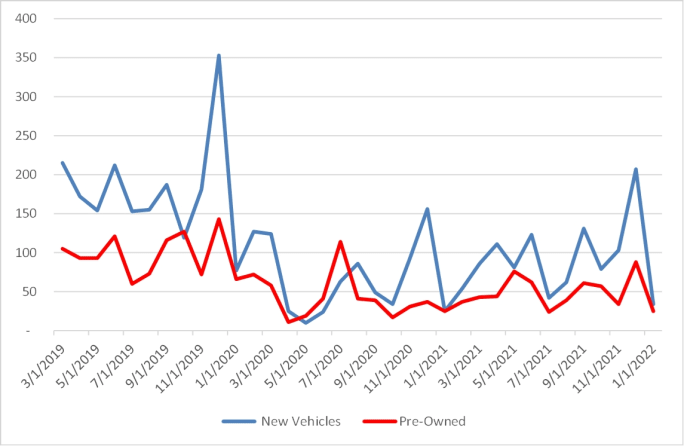
For January, the participating manufacturers sold 34 new and 25 pre-owned coaches, for a total of 59 motorcoaches. This compares with just 50 during January of 2021.
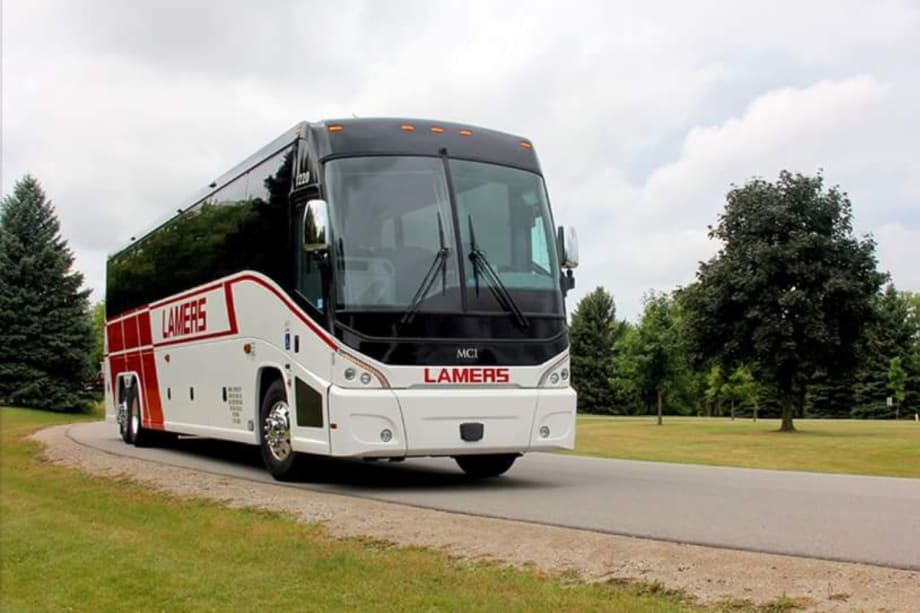
MCI
While new motorcoach sales in January are 36% above where they were during January 2021, the three-month moving average is still just 92% percent of sales during the last month prior to COVID, according to the American Bus Association Foundation’s First Quarter 2022 Motorcoach Builders Survey.
Additionally, used bus sales are still down by 16% of what they were pre-COVID.
Charts via ABA Foundation
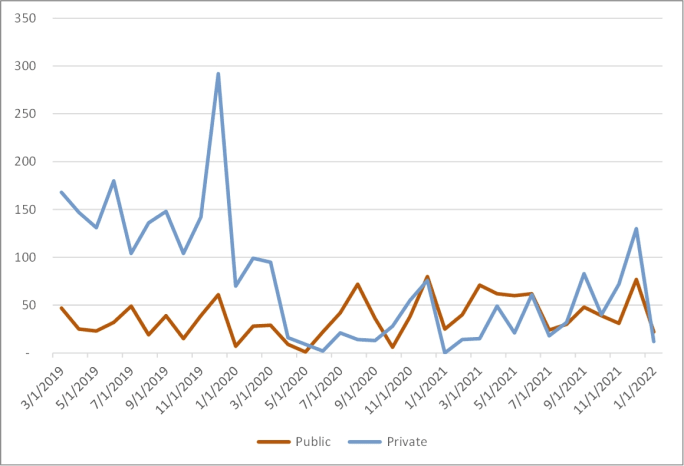
For January, the participating manufacturers sold 34 new and 25 pre-owned coaches, for a total of 59 motorcoaches. This compares with just 50 during January of 2021. The bulk of new coach sales were made to public entities like transit companies, which accounted for 65% of sales. These public entities tended to continue to purchase motorcoaches during the COVID shutdowns, while sales to private companies fell by almost 75% to an average of just 36 per month following the lockdown.
Charts via ABA Foundation
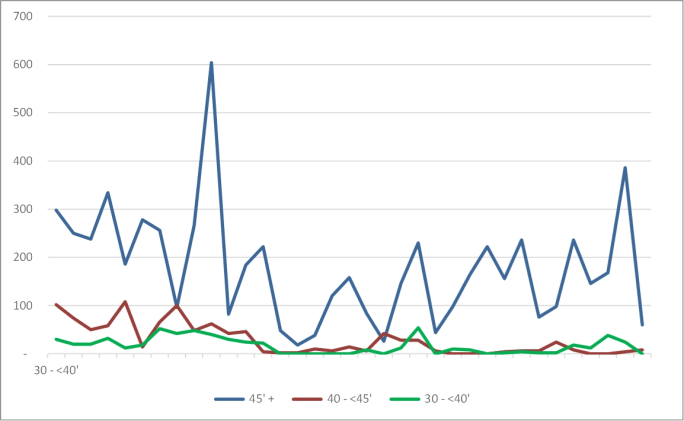
Overall, the three-month moving average of total coach sales is down by about 10% from the last month prior to the COVID pandemic.
“The passenger transportation sector of the economy, and particularly the motorcoach industry was decimated by the COVID pandemic,” said Peter Pantuso, president of the ABA Foundation. “If buses are not being manufactured then that means that other services such as tires, engines, brakes, seats, lights, etc., are not produced and bought as well. The trickledown effect means a loss of revenue and jobs across many manufacturing sectors in the country.”
Charts via ABA Foundation
The bus industry is the greenest and most affordable transportation sector and was moving more than 600 million passengers annually before the pandemic. As of the beginning of 2022, industry passenger volumes were still down by 62% from pre-COVID levels, making it one of the hardest hit parts of the economy.
More Motorcoach

METRO Opens Submissions for 2026 Motorcoach Awards
Nominations are now being accepted for METRO Magazine’s Operator of the Year and Innovative Operator of the Year awards.
Read More →
Biz Briefs: Alstom Lands Canadian Contract, LYT to Supply California TSP, and More
In METRO's latest installment, we take a look at recent news from Complete Coach Works, Beep, FlixBus, and more partnerships making headlines across the transportation sector.
Read More →
Biz Briefs: RIPTA Unveils New Frontrunners, Clevland RTA Adds New Siemens, and More
In METRO's latest installment, we take a look at recent news from Siemens, Prevost, Dodge, and more partnerships making headlines across the transportation sector.
Read More →
People Movement: Holly Arnold Joins Transdev and More
In this edition, we also cover recent appointments and announcements at Pace, CamTran, MCI, and more, showcasing the individuals helping to shape the future of transportation.
Read More →
ABA Report: Motorcoach Travel Generates $161.6B Economic Impact
The 2025 analysis finds motorcoach travel supported nearly 900,000 jobs and generated $28 billion in federal, state, and local taxes.
Read More →
CharterUP’s Armir Harris on Technology, AI, and the Future of Group Mobility
In a recent episode of METROspectives, CharterUP Founder/CEO Armir Harris discussed the company’s evolution from an online charter bus marketplace into a technology platform supporting public- and private-sector mobility and much more.
Read More →
People Movement: ABC Names John Walsh as Chief Commercial Officer
In this edition, METRO also covers recent appointments and announcements at the DART, STV, and more, showcasing the individuals helping to shape the future of transportation.
Read More →
From Surviving to Thriving: Building Stronger Transportation Organizations
Bus Business Consultants founder Brian Dickson shares lessons on leadership, organizational health, and creating options for long-term success in a changing transportation industry.
Read More →
Biz Briefs: Luminator Marks Milestone and More
From manufacturers and suppliers to transit agencies and motorcoach operators, these updates offer a snapshot of the projects, partnerships and business moves driving the industry forward.
Read More →
ABAF Study Reveals Growing Insurance Crisis for Motorcoach Operators
Preliminary findings show 98% of operators faced premium increases over the past five years, while shrinking insurer participation is putting added pressure on businesses and customers.
Read More →