



D.C. Metro adopts stricter hiring standards
To include disqualification for moving violations within last three years, driver’s license revocations or suspensions and any occurrence of driving under the influence of alcohol or drugs.

The Washington Metropolitan Area Transit Authority (Metro) has implemented stricter hiring standards for all job applicants, including applicants for frontline and safety sensitive positions. The new standards went into effect earlier this month.
“Our frontline employees are the face of Metro,” said Metro GM John Catoe. “We want the strongest applicants for every open position. These new hiring standards are meant to help us find only the best and brightest employees to help move more than one million customers each day.”
Under the new hiring standards, job applicants for frontline positions will be disqualified from the applicant pool for any of the following:
• One or more moving violations within the last three years for negligent, careless or reckless driving.
• Driver’s license revocations or suspensions due to moving violations within three years.
• More than two points on their driver’s license within three years.
• Any occurrence of driving under the influence of alcohol or drugs within three years.
• A felony conviction within the last 10 years.
• Two or more misdemeanor convictions for drug possession or a crime against person, property or society within the last 10 years.
• A criminal conviction for crimes of violence and/or sexual abuse or sexual assault.
All other applicants, including those applying for safety-sensitive positions and jobs with fiduciary duties, will be disqualified from the applicant pool for any felony conviction within the last five years, and for two or more misdemeanor convictions for drug possession or any crime against person, property or society within the last five years.
Under the previous hiring standards, job applicants for frontline positions were disqualified for:
• Driver’s license revocations or suspensions due to moving violations within three years.
• More than two points on their driver’s license within three years.
• Two felony convictions within three years or three felony convictions within 10 years for any crime against person, property or society.
Misdemeanor convictions were considered on a case-by-case basis, including the nature of the offense, time lapse since the offense and efforts at rehabilitation. Applicants with drug-related violations were considered if the applicant was able to show rehabilitation for the year immediately preceding the application.
More Paratransit

Driving Smarter Paratransit
John Hanlon shares how AlphaRoute is leveraging AI-powered technology to help paratransit providers optimize operations, support frontline staff, and enhance the rider experience.
Read More →
METRO Magazine Announces 2026 Innovative Solutions Awards Winners
Projects Recognized for Advancing Mobility Through Technology, Accessibility, Workforce Innovation, and Operational Excellence
Read More →
Biz Briefs: STV teams with Amtrak, Motorcoach Operators Boost Fleet and Land Contracts, and More
From manufacturers and suppliers to transit agencies and motorcoach operators, these updates offer a snapshot of the projects, partnerships and business moves driving the industry forward.
Read More →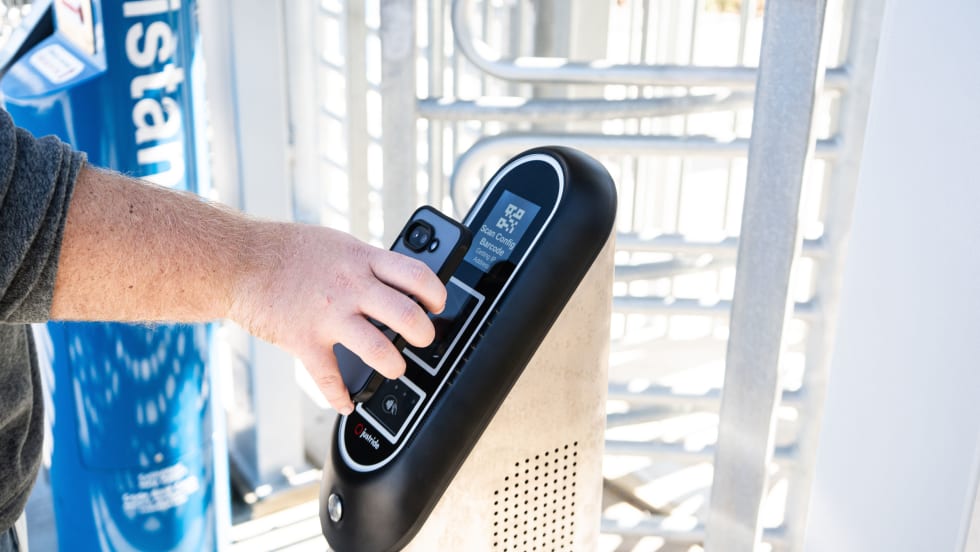
Biz Briefs: Masabi Teams with St. Louis Metro and More
In METRO's latest installment, we take a look at recent news from Transdev, Hitachi, and more partnerships making headlines across the transportation sector.
Read More →
New York MTA Leverages Zoning Program to Advance Station Accessibility
Accessibility enhancements at Nevins St Station will be financed through a development agreement tied to the MTA's Zoning for Accessibility initiative.
Read More →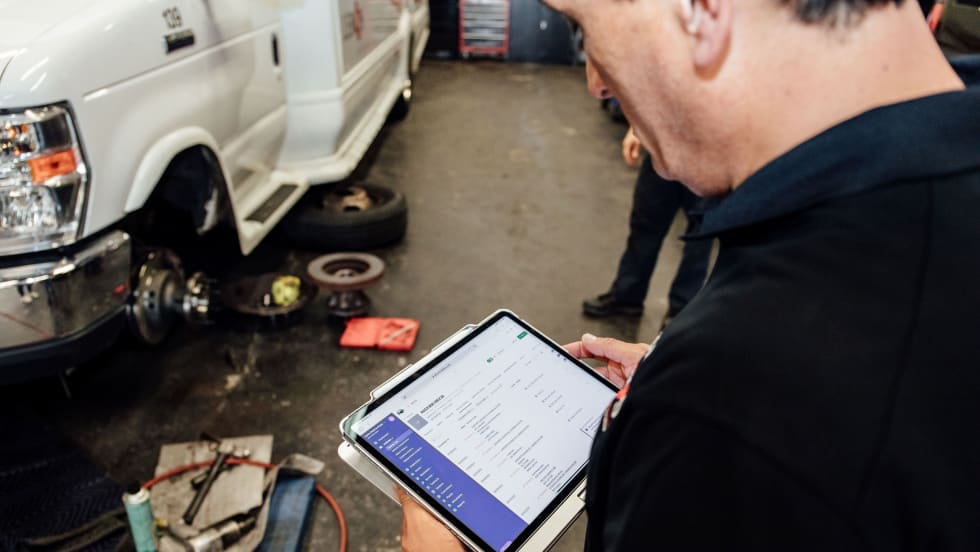
Reinventing Fleet Maintenance with Real-time Visibility and AI
Transit leaders need to know what needs fixing, where to look, who is responsible, when work is completed, and what it costs without having to chase information across disconnected systems.
Read More →
SamTrans Sets Priorities for Potential Connect Bay Area Revenue
The board-approved framework allocates future funding to maintaining service, rider improvements, equity initiatives, and infrastructure repairs.
Read More →
Chicago's NITA Act Moves Into Next Phase as Service Improvements Begin
Rider-focused improvements will begin rolling out across the system immediately as CTA, Metra, and Pace increase service this summer in the six-county region.
Read More →
2026 METRO Buyer’s Guide & Directory
Searching for the right vehicles, technology, equipment, or services for your public transit or motorcoach operation? This industry guide brings together manufacturers and suppliers from across the transportation market — all in one place. Download it to connect with the companies that help agencies and operators improve mobility, enhance operations, and move their organizations forward.
Read More →
Rays the Mark Foundation to Honor CDTA’s Emily DeVito at October Fundraiser
Event at Chicago-area Ravisloe Country Club will support DeVito, a transit employee and mother of twins battling kidney failure and awaiting a transplant.
Read More →