




The following statement was issued Thursday by Metro's Board of Directors:
D.C. Metro board 'outraged' track defect detected early, not fixed
The flaw’s detection should have triggered the immediate shutdown of the section of rail involved, but the agency continued to run trains through it until the derailment. Metro’s interim GM, Jack Requa, said the agency’s inability to address the matter is unacceptable.
August 14, 2015
Larry Levine
2 min to read
Larry Levine
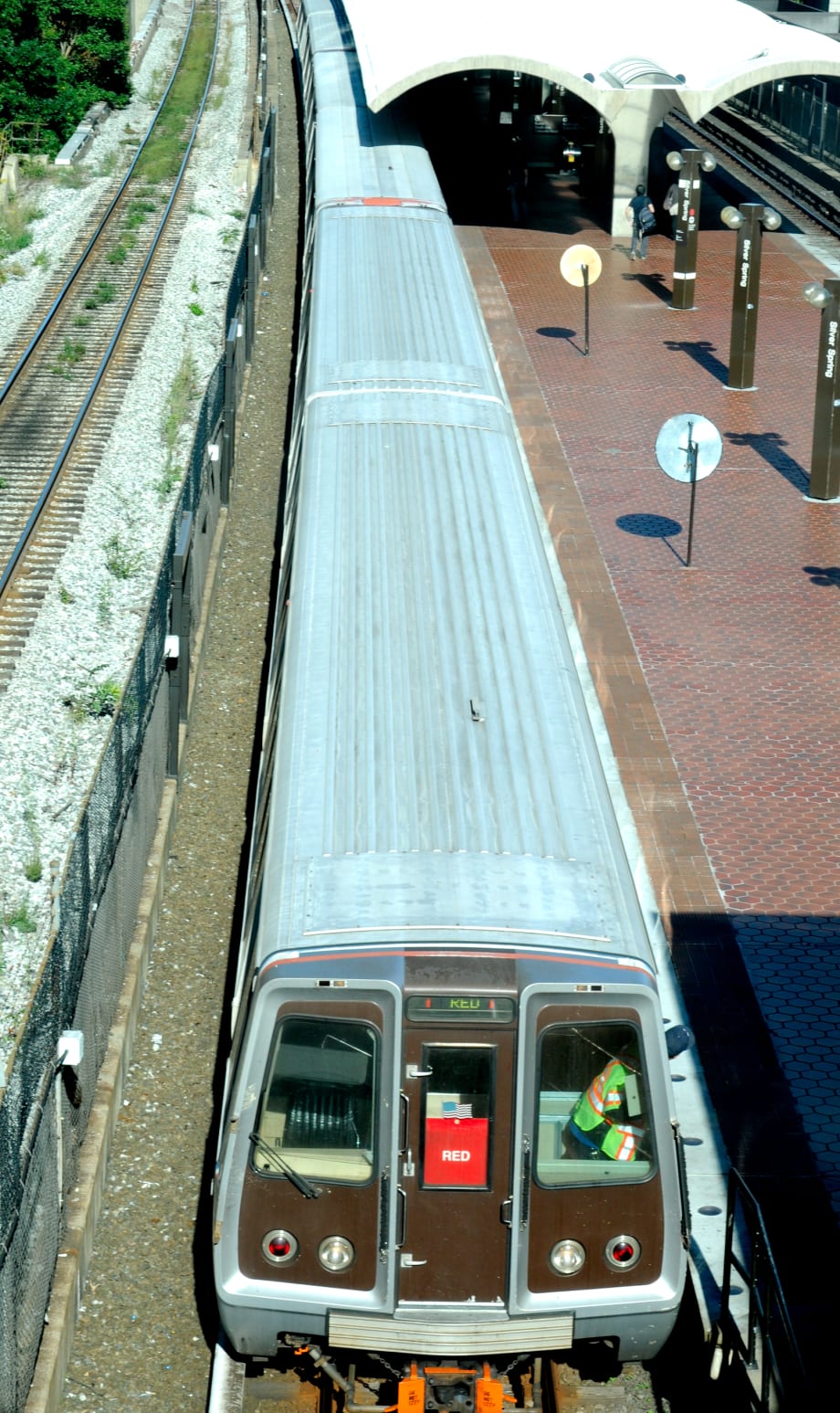
WASHINGTON, D.C. — The Washington Metropolitan Area Transit Authority (Metro) found that the track defect that caused last week’s derailment was detected months ago, but was never repaired, The Washington Post reported.
In addition, the flaw’s detection should have triggered the immediate shutdown of the section of rail involved, but the agency continued to run trains through it until the derailment. Metro’s interim GM, Jack Requa, said the agency’s inability to address the matter — from the top ranks down to the track laborers and inspectors — is unacceptable.
The derailment, which happened before passengers started boarding the train on Aug. 6, shut down rail service on parts of three lines for nine hours, leaving thousands of commuters fuming as they scrambled for alternative transportation. For the full story, click here.
“The Board is outraged and dismayed that anyone working at Metro would have critical safety information and not act on it immediately. It is totally unacceptable that the wide gauge track problem reported yesterday by the General Manager could go unaddressed and unrepaired for four weeks. This is a breakdown of the organization’s chain of command and our safety culture. We obviously have much work ahead of us to improve the organization’s safety culture, and we will do so,” said Metro Safety Committee Chair Michael Goldman, speaking on behalf of the Board. “However, Jack Requa’s transparent release of information, as well as his actions to order immediate track inspections and gather information to hold people accountable at every level, is what the Board expects and what the circumstances demand.
“The Board has directed the General Manager to complete his operational investigation within 10 days that will explain to the Board and our riders how this track deficiency went unrepaired for so long. The Board looks forward to learning how the chain of command broke down and where the responsibility lies. This is an unforgivable breach of safety that needs to be dealt with firmly and swiftly.”
More Rail

New York MTA Advances Final Contract for Second Avenue Subway Expansion
Contract Four is the largest in the Second Avenue Subway Phase 2 project and includes construction of station infrastructure, tracks, and signals for the subway expansion, MTA officials said. Work on Contract Four will begin in 2027.
Read More →
San Diego MTS Breaks Monthly Trolley Ridership Record
Agency officials said July’s ridership indicates MTS’s continued recovery from the pandemic.
Read More →
Report Examines NJ TRANSIT Reliability, Funding Challenges
The Garden State Initiative analysis examines the roles of Amtrak infrastructure, fleet management, and agency operations while recommending a more performance-based approach to improving reliability.
Read More →
Stadler, CapMetro Sign Long-Term Rail Fleet Support Agreement
Beginning in 2027, Stadler will provide on-site technical expertise, spare parts support, training, and obsolescence management to help extend the reliability and longevity of CapMetro’s GTW fleet.
Read More →
Biz Briefs: Alstom Lands Canadian Contract, LYT to Supply California TSP, and More
In METRO's latest installment, we take a look at recent news from Complete Coach Works, Beep, FlixBus, and more partnerships making headlines across the transportation sector.
Read More →
CATS Gold Line Marks 5 Years of Service, 2.8M Passenger Trips
With a six-mile expansion planned, the Charlotte streetcar is positioned to connect more neighborhoods and major transit hubs across the region.
Read More →
Why Simulating Pedestrian Movement Has Become Essential for Modern Rail Stations
Pedestrian microsimulation is helping rail planners identify bottlenecks, test station designs, and prepare complex transit hubs for growing passenger volumes.
Read More →
Amtrak Begins Major Construction at New York’s Sunnyside Yard
The new maintenance facility will support Amtrak’s Airo trainsets while improving maintenance efficiency and turnaround times in New York.
Read More →
Chicago Leaders Unveil Plans for O’Hare Airport Express Train
The privately developed project would offer a 15-minute trip between downtown and O’Hare’s Terminal 2, with trains operating every 15 minutes on a dedicated track. The service would use battery-electric trains and three existing freight rail rights-of-way.
Read More →
OCTA Maps Out 30-Year Strategy to Protect Coastal Rail Corridor
The draft feasibility report identifies strategies to protect the coastal rail line for decades as the agency continues near-term stabilization and sand placement efforts.
Read More →