



D.C. Metro unveils new MV-1 vehicles for paratransit service
MetroAccess customers will benefit from shorter boarding times as a result of the MV-1 ramp design, which allows customers to board without the use of a lift. The vehicles cost about $50,000 each.

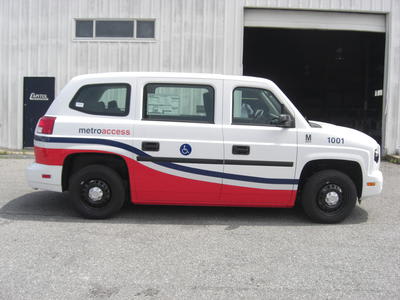
Washington Metropolitan Area Transit Authority (Metro) officials unveiled the first of 16 new MV-1 vehicles being piloted for its paratransit service, MetroAccess. The MV-1 — or Mobility Vehicle 1 — is the first and only vehicle designed from the ground up for wheelchair accessibility.
“We are always looking for ways to improve MetroAccess service for the customers who depend on us,” said Assistant GM of Access Services, Christian T. Kent. “We are excited to pilot the MV1 because we believe it will give us a more versatile option for providing trips, while maintaining a fully accessible paratransit fleet.”
Specifically designed for paratransit service providers, the MV1 requires no conversion or after-market equipment. The current MetroAccess fleet is comprised primarily of conversion vans that have been modified with additional headroom, lifts and equipment for use in the provision of paratransit service.
Along with advanced safety features, a smoother, quieter ride, and a design that maximizes space and convenience, MetroAccess customers will benefit from shorter boarding times as a result of the MV-1 ramp design, which allows customers to board without the use of a lift. The vehicles cost about $50,000 each.
Built in Mishawaka, Ind., by manufacturer VPG, the MV-1 features:
Smaller size for improved maneuverability in congested areas.
Comfortable seating for up to four customers.
A wide doorway (36 inches by 56 inches) allowing for easy entry for all passengers.
Improved fuel economy as compared with conversion vans.
An integrated shallow-angle ramp with anti-slip surface.
Improved reliability due to use of ramp versus conventional lift.
MetroAccess will begin using MV-1 vehicles in revenue service beginning next month. The vehicles will be dispatched based on operational needs throughout the region.
MetroAccess customers will be asked to provide feedback on the new vehicles over the coming months.
More Paratransit

Biz Briefs: RIPTA Unveils New Frontrunners, Clevland RTA Adds New Siemens, and More
In METRO's latest installment, we take a look at recent news from Siemens, Prevost, Dodge, and more partnerships making headlines across the transportation sector.
Read More →
King County Metro Makes ADA Paratransit Easier to Navigate
METRO's Innovative Solutions Award winner replaces complex service-area descriptions with an accessible, interactive map that puts paratransit information directly in customers’ hands.
Read More →
Jacksonville’s NAVI Project Charts a New Course for Autonomous Public Transportation
Through its NAVI program, JTA is showing how autonomous vehicles, intelligent infrastructure, and coordinated operations can work together to deliver everyday public transportation.
Read More →
Driving Smarter Paratransit
John Hanlon shares how AlphaRoute is leveraging AI-powered technology to help paratransit providers optimize operations, support frontline staff, and enhance the rider experience.
Read More →
METRO Magazine Announces 2026 Innovative Solutions Awards Winners
Projects Recognized for Advancing Mobility Through Technology, Accessibility, Workforce Innovation, and Operational Excellence
Read More →
Biz Briefs: STV teams with Amtrak, Motorcoach Operators Boost Fleet and Land Contracts, and More
From manufacturers and suppliers to transit agencies and motorcoach operators, these updates offer a snapshot of the projects, partnerships and business moves driving the industry forward.
Read More →
Biz Briefs: Masabi Teams with St. Louis Metro and More
In METRO's latest installment, we take a look at recent news from Transdev, Hitachi, and more partnerships making headlines across the transportation sector.
Read More →
New York MTA Leverages Zoning Program to Advance Station Accessibility
Accessibility enhancements at Nevins St Station will be financed through a development agreement tied to the MTA's Zoning for Accessibility initiative.
Read More →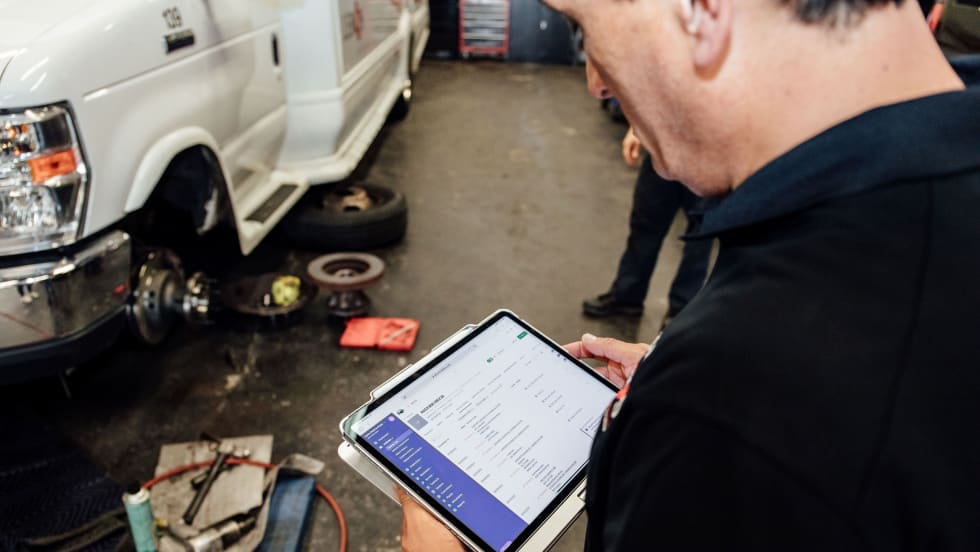
Reinventing Fleet Maintenance with Real-time Visibility and AI
Transit leaders need to know what needs fixing, where to look, who is responsible, when work is completed, and what it costs without having to chase information across disconnected systems.
Read More →
SamTrans Sets Priorities for Potential Connect Bay Area Revenue
The board-approved framework allocates future funding to maintaining service, rider improvements, equity initiatives, and infrastructure repairs.
Read More →