



Edmonton rolls out BYD test bus
The buses will run on various ETS routes across the city, travelling with regularly scheduled buses in service and for special events. Instead of paying a fare, passengers will be asked to complete a survey describing their experience riding an electric bus.

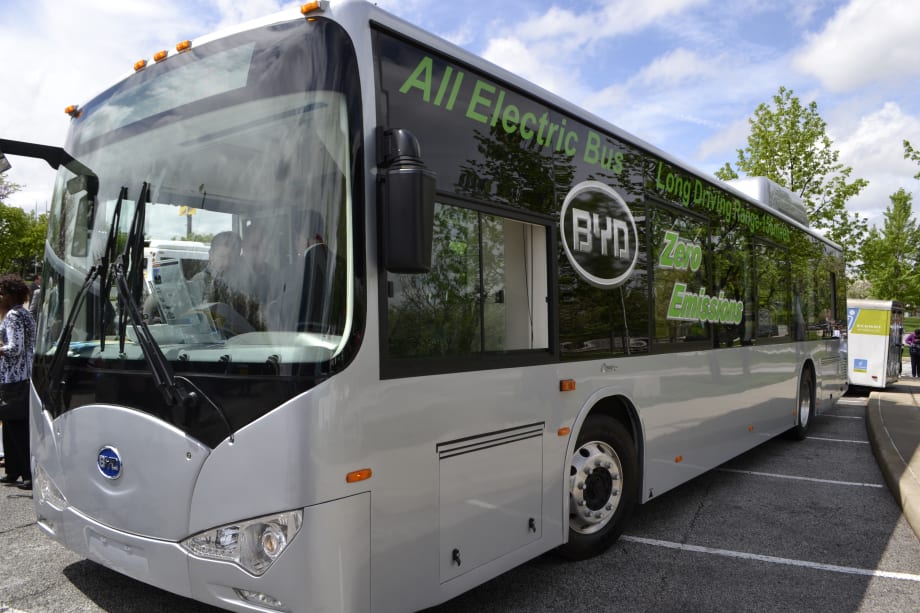

The Edmonton Transit System (ETS) began testing two BYD electric buses — known as ETS Stealth buses — this week.
Operated entirely on electricity, the buses run quietly and cleanly and are more cost-effective to fuel and maintain than diesel engine buses currently used. The ETS Stealth buses also have no exhaust pipes and generate zero emissions when being driven.
The buses will run on various ETS routes across the city, travelling with regularly scheduled buses in service and for special events. Passengers can board free of charge. Instead of paying a fare, passengers will be asked to complete a survey describing their experience riding an electric bus.
“Public feedback is essential to determining the success of the ETS Stealth pilot project,” said ETS Bus Operations Divisional Supervisor Linda Kadatz. “We hope to hear from every ETS Stealth passenger so that we can make an informed decision later this year about pursuing electric bus technology in our long-term fleet replacement plans.”
The ETS Stealth buses are on lease from BYD until October 2014. During the four-month pilot ETS will evaluate the suitability of the ETS Stealth bus based on several factors, including passenger load capacity, passenger comfort, reliability and how well the buses navigate Edmonton’s roadway network.
More Management
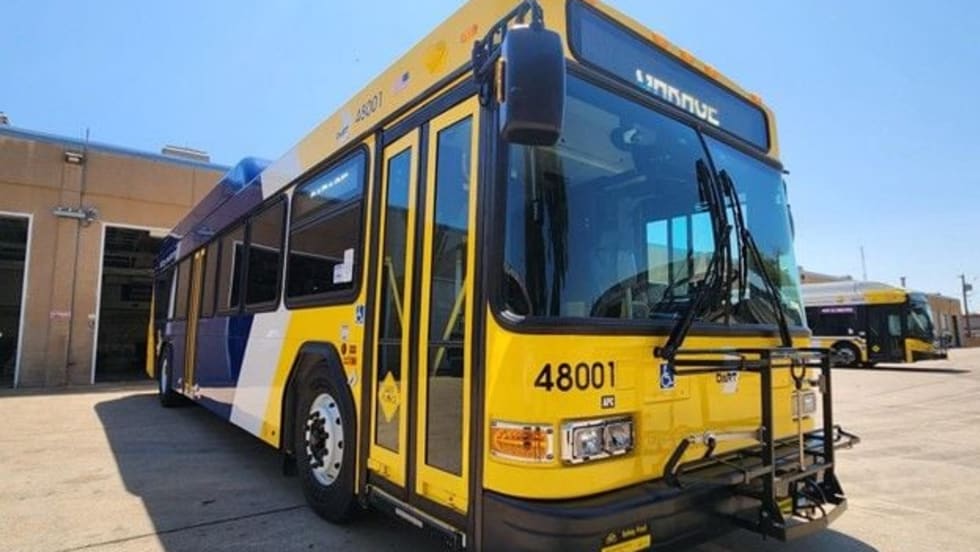
DART Customer Satisfaction Reaches Six-Year High
Overall satisfaction rose to 74.9%, while the agency’s Net Promoter Score reached a record 33.7.
Read More →
House Surface Transportation Bill Advances as Transit Funding Debate Intensifies
A bipartisan transportation package moving through Congress could redefine how the U.S. funds highways, transit, and motorcoach travel, while igniting new fights over electrification, regulation, and federal priorities.
Read More →
How Data, Strategy, and Community Engagement Are Reshaping Transit
In this edition of METROspectives, strada360 CEO Steve Lassey discusses how transit agencies can better align planning with operations, leverage data to improve decision-making, and build public trust as they prepare for the future of mobility.
Read More →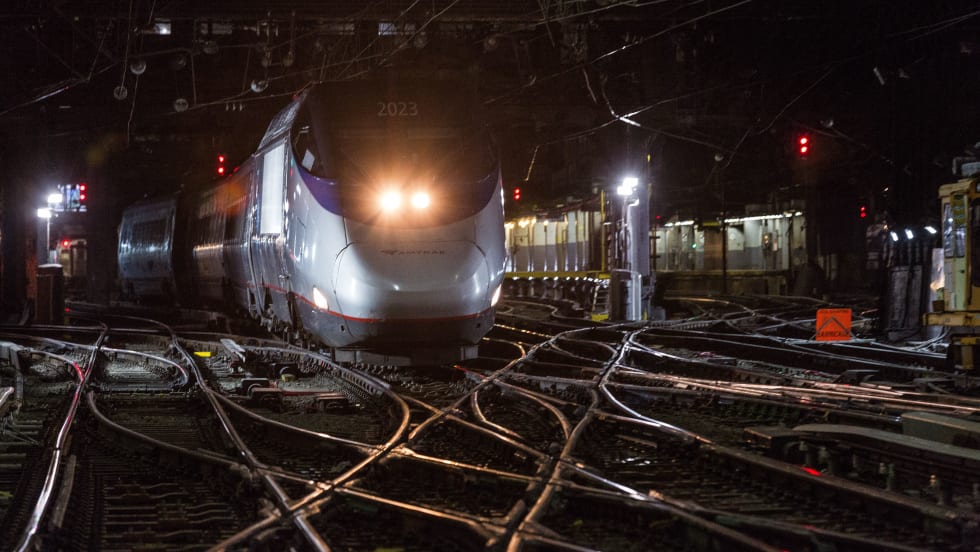
Amtrak Board Advances Plan to Restructure Organization, Seeks Public Input
The proposal, developed by Amtrak management and approved by the board for further consideration, is intended to modernize the organization's structure while improving accountability, operational efficiency, and customer service.
Read More →
Turn Transit Data Into Action
Discover how leading agencies are using connected technology to gain real-time visibility across operations, improve service reliability, and reduce disruptions.
Read More →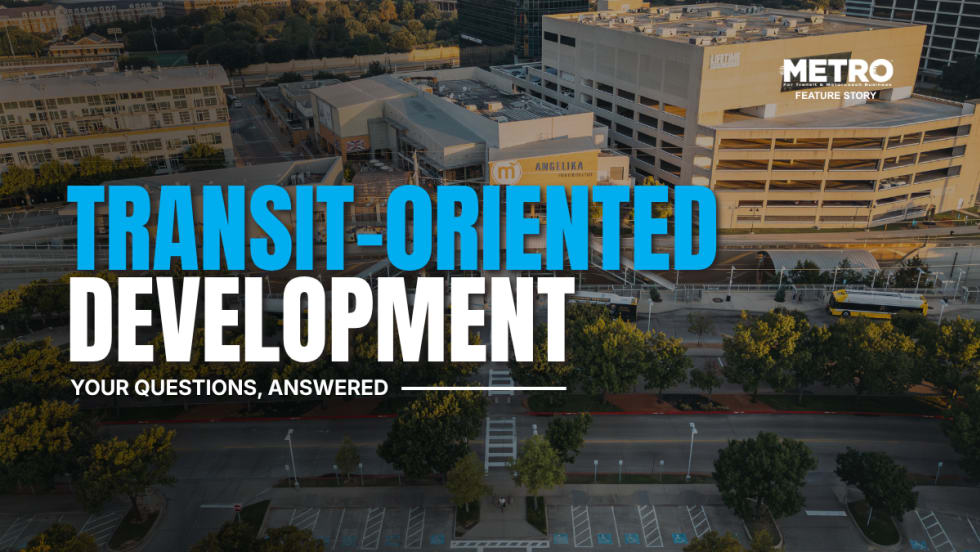
What Transit-Oriented Development Means for the Future of Public Transportation
Once viewed primarily as transit operators, agencies are now leveraging land, partnerships, and long-term planning to boost ridership, expand housing, and strengthen communities.
Read More →
USDOT Announces $22 Million for Transit Innovation, Updates High-Speed Rail Rules
New federal transit funding will support safety, accessibility, and technology projects as updated rail regulations establish new noise standards for high-speed trains.
Read More →
Transportation Construction Coalition Unveils Infrastructure Case Studies Ahead of Federal Funding Deadline
The coalition noted the next surface transportation bill should provide sustained investment in highways and public transit to strengthen freight movement, improve safety, and support economic growth.
Read More →
People Movement: American Bus Association Extends Ferguson and More
METRO’s People Movement highlights the latest leadership changes, promotions, and personnel news across the public transit, motorcoach, and people mobility sectors.
Read More →
METRO Magazine Announces 2026 Innovative Solutions Awards Winners
Projects Recognized for Advancing Mobility Through Technology, Accessibility, Workforce Innovation, and Operational Excellence
Read More →