



ETA Transit Systems adding Colorado Springs headquarters
The expansion, driven by substantial growth along the Pacific Coast and neighboring states, helps to provide customers west of the Mississippi River with closer, more responsive service.

Boca Raton, Fla.’s ETA Transit Systems has established an additional regional headquarters in Colorado Springs. The expansion, driven by substantial growth along the Pacific Coast and neighboring states, helps to provide customers west of the Mississippi River with closer, more responsive service and serves as a rallying point to join satellite offices in Phoenix and Kansas City with key leadership and decision makers.
"We're really excited about establishing a permanent foothold in Colorado," said ETA CEO Nicole Castonguay. "This expansion allows us to better serve our customers throughout the region and streamline our operations so that we may continue our impressive growth in the area over the last couple of years."
ETA Transit Systems, founded in 2003, provides real-time vehicle location and related technology services to public transportation providers across the U.S. Its versatile flagship intelligent transit system (ITS), SPOT®, can be found in public transit agencies ranging from airports, to rail and trolley, to theme parks, to major municipalities, and universities-including the University of Colorado Boulder and Boulder RTD.
The technology supplied through ETA's advanced system provides public transit riders with up-to-the-second arrival predictions via websites and mobile applications. Riders can plan trips, receive automatic announcements, review schedules, vehicle capacity and even provide real-time feedback to agencies about their travel experience.
For operators, the SPOT platform provides robust data and reporting capabilities, the ability to adjust routes on-the-fly, communicate with drivers, and infuse their operations with new revenue generating infotainment systems. Once implemented, these systems help to improve rider satisfaction, optimize operational performance, provide the key analytical insights necessary to inform future expansion, and streamline the job responsibilities of administrative and maintenance staff, as well as vehicle drivers.
More Management

Brian Dickson on Building Stronger, More Resilient Transportation Organizations
Bus Business Consultants Founder Brian Dickson discusses the leadership principles, operational discipline, and strategic planning that separate transportation companies positioned for long-term success from those stuck in survival mode.
Read More →
LA Metro Breaks Ground on Vermont BRT Project
The 12.4-mile corridor is projected to serve 66,200 daily riders, reduce travel times by up to 24%, and create the nation's busiest bus rapid transit corridor.
Read More →
Building Stronger Leaders, More Resilient Transit Teams
Dr. Carol Parker Walsh discusses leadership development, employee retention, workplace culture, and preparing transit’s workforce for AI and automation.
Read More →
Roman Cornell on ABC Companies’ Evolution and the Future of Passenger Transportation
The company’s CEO discusses carrying forward a third-generation family legacy, ABC’s continued evolution in passenger transportation, support for increasingly complex fleets, and how technology and continued investment could help operators improve uptime.
Read More →
CATS Launches West Charlotte Microtransit Zone, Expands Transit Services
The new microtransit zone connects residents to key destinations as Charlotte Area Transit System rolls out the first phase of its 2055 Transit System Plan.
Read More →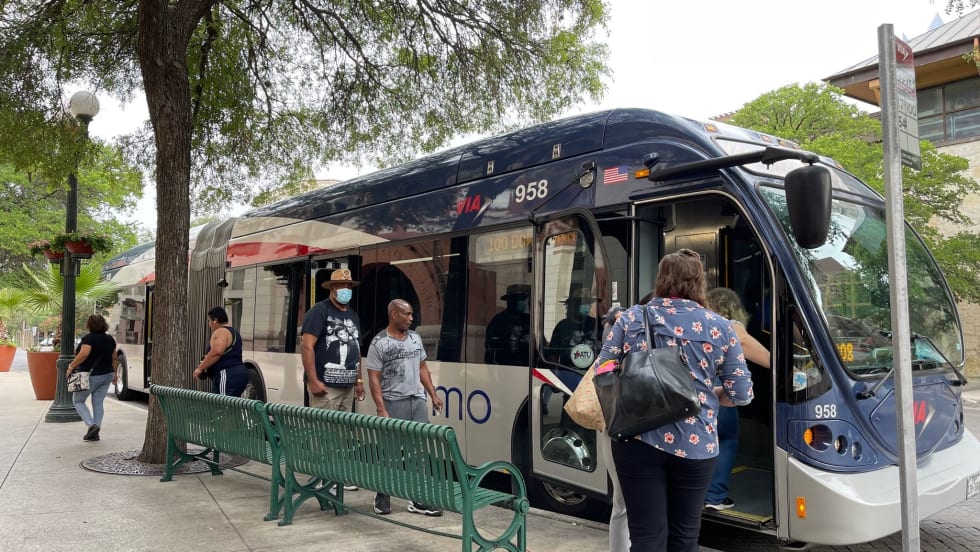
VIA Bus Ridership Grows 10.1% Through August 2026
San Antonio's VIA Metropolitan Transit reported the highest bus ridership growth among major Texas transit systems. Federal Transit Administration data ranked it second among the nation's 50 largest transit systems.
Read More →
CSA Group Releases Climate Resilience Standard for Transit, Passenger Rail
Developed with support from the Standards Council of Canada, CSA D700 guides assessing climate-related risks and planning adaptation measures for transit and passenger rail systems.
Read More →
ETA CEO John Maglio on Transit Technology, Innovation, and Building Agency Trust
ETA founder and CEO John Maglio explores the evolution of transit technology, the importance of reliable systems, and how stronger partnerships can help agencies improve operations and the passenger experience.
Read More →
COTA Launches First Customer Experience Action Plan to Improve Transit Service
The new plan outlines improvements to service reliability, accessibility, communication, and the overall rider experience across Central Ohio's transit system.
Read More →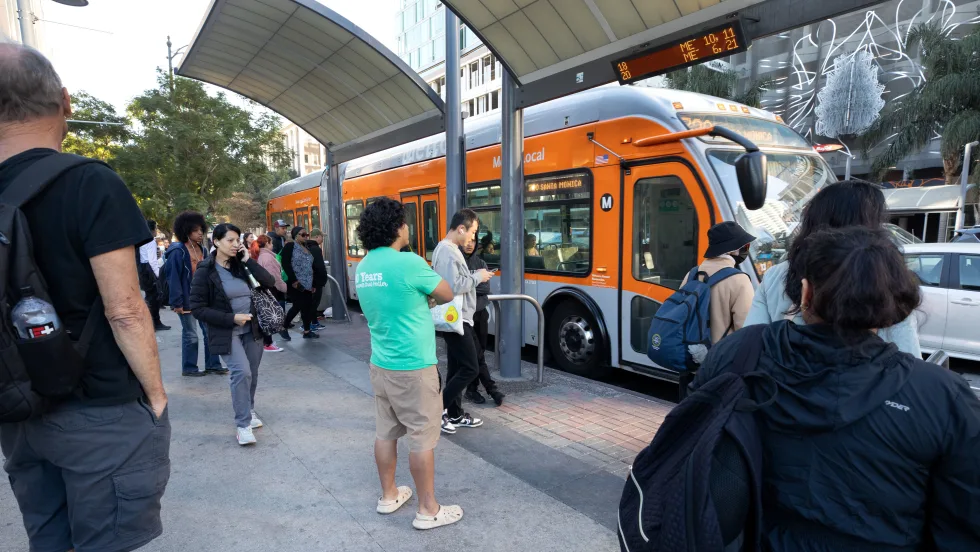
LA Metro September Ridership Climbs 3.9%, Led by Rail Growth
The agency recorded more than 27.2 million boardings, with rail ridership increasing 12.4% year over year and the D Line posting the largest gains.
Read More →