



Feds Highlight Key Priorities, Funding in Bipartisan Infrastructure Deal
The BID authorizes up to $108 billion, including $91 billion in guaranteed funding for public transportation — “the most significant federal investment in transit in the nation’s history,” according to the FTA.
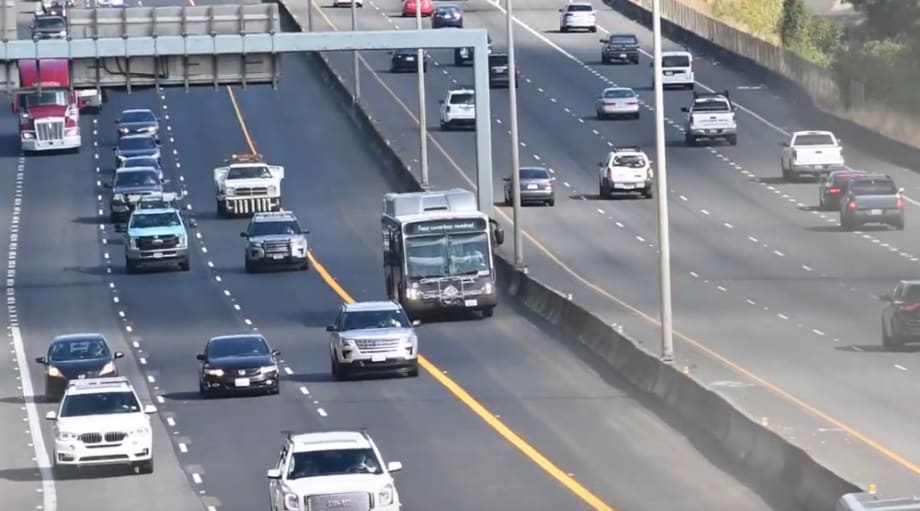
Investments in the BID will improve transit service for communities that have historically had more limited access to transit and provide for substantial upgrades to accessibility.
C-Tran
Following President Biden’s signing of the Bipartisan Infrastructure Deal (BID) into law, the Federal Transit Administration (FTA) announced key priorities and historic funding amounts for public transportation. The BID authorizes up to $108 billion, including $91 billion in guaranteed funding for public transportation — “the most significant federal investment in transit in the nation’s history,” according to the FTA.
Transportation passengers across the country will see more reliable transit service as older vehicles and facilities are repaired or replaced, and cleaner air in their communities thanks to a transition to low- and no-emission transit vehicles. The funding will help us respond to climate change, while creating more ways for people to get to work, to play, to access healthcare, and to visit friends and family.
“As the transit industry renews ridership, this historic support will help us transform the way we plan and use public transportation in the United States,” said FTA Administrator Nuria Fernandez. “Long-overdue investments in transit infrastructure will deliver new and expanded public transit services, especially in communities that have suffered from historical funding inequities.”
Key priorities for public transportation under the BID include:
Safety: The BID will enhance state safety oversight programs by strengthening rail inspection practices, protecting transit workers and riders from injuries, and ensuring safe access to transit.
Modernization: The BID will reduce the maintenance backlog by repairing and upgrading aging transit infrastructure and modernizing bus and rail fleets.
Climate: Funding in the BID will support replacement of thousands of transit vehicles, including buses and ferries, with cleaner, greener vehicles.
Equity: Investments in the BID will improve transit service for communities that have historically had more limited access to transit and provide for substantial upgrades to accessibility.
Key funding levels and programmatic changes for public transportation in the BID over a five-year period (Fiscal Years 2022 to 2026) include:
Increased funding for FTA formula and competitive grant programs for America’s communities, including: $33.5 billion for the Urbanized Area Formula Program to support transit operations in 500 communities across the country; $23.1 billion for the State of Good Repair program to assist in financing capital projects to maintain public transit systems; $5.6 billion in Low or No Emission Vehicle Competitive Grants to support the transition of transit vehicles to low or zero emission technologies; $5.1 billion in Buses and Bus Facilities formula and competitive grants; $4.6 billion for Rural Area Formula Grants to support transit investments and operations in rural areas communities, including $229 million for Public Transportation on Indian Reservations formula and competitive grants; $2.2 billion for the Enhanced Mobility of Seniors and Individuals with Disabilities program; $3.9 billion for additional Urbanized and Rural Formula Program assistance through the Growing States and High-Density States formulas; and $966.4 million to support Metropolitan and Statewide Planning programs.
Up to $23 billion for the Capital Investment Grants (CIG) Program, with $8 billion guaranteed to invest in new high-capacity transit projects that communities choose to build.
Four new competitive grant programs, including a guaranteed: $1.75 billion for an All Stations Accessibility Program to reduce the number of legacy rail transit stations that remain inaccessible to individuals with disabilities; $1.5 billion for Rail Vehicle Replacement Grants to replace railcars that are past their useful life and improve reliability, safety and accessibility for transit passengers; $1 billion for Ferry Service for Rural Communities to improve access and mobility in areas where ferry service is a critical link for communities; and $250 million for an Electric or Low-Emitting Ferry pilot program to support the transition of passenger ferries to low- or zero-emission technologies.
$193 million for transit research activities and $62 million for technical assistance and workforce development activities.
The Bipartisan Infrastructure Deal is the largest investment in American infrastructure in generations, and marks an inflection point for American transit. It will boost transit funding for communities all over the country by an average of 30% — helping communities address maintenance backlogs, modernize, and expand. The new funding provided under the bill will help transit agencies reduce the current maintenance backlog by 15% and replace more than 500 aging subway, light rail, and commuter railcars. It will further modernize the nation’s transit fleet by replacing more than 10,000 fossil-fuel powered transit vehicles with cleaner electric or low-emission transit vehicles.
More Management

Indian River Transit’s Community-Focused Approach Earns National Recognition
Named APTA’s 2026 Outstanding Public Transportation System in its size category, Florida’s Indian River County transit system continues to grow ridership through fare-free service and a focus on evolving community needs.
Read More →
ENC Lands MATA Contract and More in Biz Briefs
In this edition of Biz Briefs, we spotlight the latest developments shaping the future of mobility.
Read More →
From Surviving to Thriving: Building Stronger Transportation Organizations
Bus Business Consultants founder Brian Dickson shares lessons on leadership, organizational health, and creating options for long-term success in a changing transportation industry.
Read More →

Everett Transit, Community Transit Outline Consolidation Agreement
The proposed agreement calls for a 50% increase in bus service in Everett, a new microtransit zone, continued paratransit service, and the transfer of Everett Transit operations to Community Transit.
Read More →
Strada360’s Steve Lassey on Turning Transit Data Into Better Decisions
From breaking down data silos to preparing for AI, Strada360 CEO Steve Lassey discusses how transit agencies can use technology to improve operations, customer information, and long-term decision-making.
Read More →
People Movement: Phil Washington Joins HNTB, Denver RTD Launches CEO Search, and More
In this edition, we also spotlight recent personnel moves at STV, the Eno Center for Transportation, and more, highlighting the people taking on new roles across the transportation industry.
Read More →
SEPTA Details Accelerate Vision for Transit System
The plan outlines investments in trolley modernization, new Metro and Regional Rail vehicles, accessible stations, and more frequent bus and rail service.
Read More →
FTA Ends Direct Oversight of MBTA Safety Actions
The federal agency closed its remaining special directive to the Massachusetts Department of Public Utilities following a safety review that began in 2022.
Read More →
Report: Transit Bus Manufacturing Supports 34,100 Jobs, $5.1B in GDP
The “Buses Mean Business” report examines the transit bus manufacturing industry’s economic footprint, supply chain, and rising demand for vehicle replacements.
Read More →
LIT Marks 10-Year Milestone at Annual Summit
Hosted by the COTA from September 10 to 13, the Summit carried the theme “Celebrating 10 Years of Excellence, Leadership, and Impact,” with every part of the program honoring the people, agencies, and partners who built LIT over its first decade.
Read More →