



Feds propose speed limiters for motorcoaches, trucks
The proposal discusses the benefits of setting the maximum speed at 60, 65, and 68 miles per hour, but the agencies will consider other speeds based on public input.

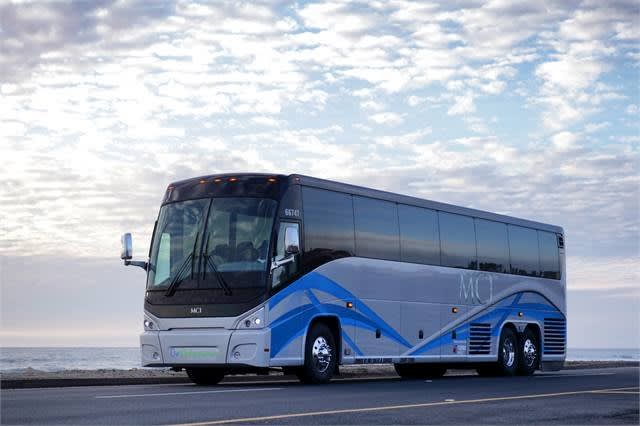
The National Highway Traffic Safety Administration (NHTSA) and Federal Motor Carrier Safety Administration (FMCSA) announced a proposal to equip heavy-duty vehicles with devices that limit their speeds on U.S. roadways, as well as requiring those devices be set to a maximum speed.
“There are significant safety benefits to this proposed rulemaking,” Foxx said. “In addition to saving lives, the projected fuel and emissions savings make this proposal a win for safety, energy conservation and our environment.”
The proposal would establish safety standards requiring all newly manufactured U.S. trucks, buses and multipurpose passenger vehicles with a gross vehicle weight rating more than 26,000 pounds to come equipped with speed limiting devices. The proposal discusses the benefits of setting the maximum speed at 60, 65, and 68 miles per hour, but the agencies will consider other speeds based on public input.
“Safe trucking moves our economy and safe bus operations transport our loved ones,” said FMCSA Administrator T.F. Scott Darling III. “This proposal will save lives while ensuring that our nation’s fleet of large commercial vehicles operates fuel efficiently.”
Motor carriers operating commercial vehicles in interstate commerce would be responsible for maintaining the speed limiting devices at or below the designated speed for the service life of the vehicle under the proposal. While the maximum set travel speed will be determined in the final rule, estimates included in the proposal demonstrate that limiting heavy vehicles will save lives.
Requiring speed limiting devices could also save an estimated $1.1 billion in fuel costs and millions of gallons of fuel annually, according to the agencies.
To read and provide comment on the proposal, click here.
More Motorcoach

METRO Opens Submissions for 2026 Motorcoach Awards
Nominations are now being accepted for METRO Magazine’s Operator of the Year and Innovative Operator of the Year awards.
Read More →
Biz Briefs: Alstom Lands Canadian Contract, LYT to Supply California TSP, and More
In METRO's latest installment, we take a look at recent news from Complete Coach Works, Beep, FlixBus, and more partnerships making headlines across the transportation sector.
Read More →
Biz Briefs: RIPTA Unveils New Frontrunners, Clevland RTA Adds New Siemens, and More
In METRO's latest installment, we take a look at recent news from Siemens, Prevost, Dodge, and more partnerships making headlines across the transportation sector.
Read More →
People Movement: Holly Arnold Joins Transdev and More
In this edition, we also cover recent appointments and announcements at Pace, CamTran, MCI, and more, showcasing the individuals helping to shape the future of transportation.
Read More →
ABA Report: Motorcoach Travel Generates $161.6B Economic Impact
The 2025 analysis finds motorcoach travel supported nearly 900,000 jobs and generated $28 billion in federal, state, and local taxes.
Read More →
CharterUP’s Armir Harris on Technology, AI, and the Future of Group Mobility
In a recent episode of METROspectives, CharterUP Founder/CEO Armir Harris discussed the company’s evolution from an online charter bus marketplace into a technology platform supporting public- and private-sector mobility and much more.
Read More →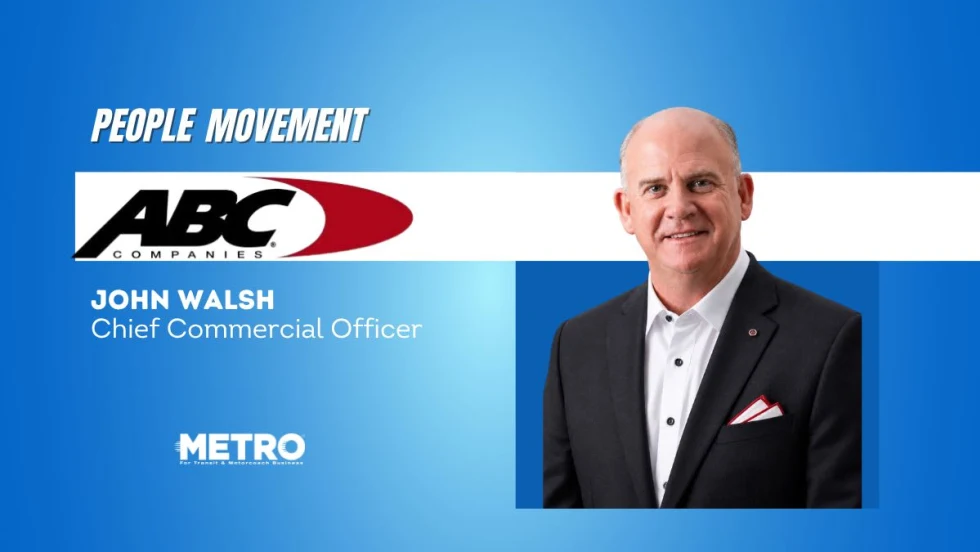
People Movement: ABC Names John Walsh as Chief Commercial Officer
In this edition, METRO also covers recent appointments and announcements at the DART, STV, and more, showcasing the individuals helping to shape the future of transportation.
Read More →
From Surviving to Thriving: Building Stronger Transportation Organizations
Bus Business Consultants founder Brian Dickson shares lessons on leadership, organizational health, and creating options for long-term success in a changing transportation industry.
Read More →
Biz Briefs: Luminator Marks Milestone and More
From manufacturers and suppliers to transit agencies and motorcoach operators, these updates offer a snapshot of the projects, partnerships and business moves driving the industry forward.
Read More →
ABAF Study Reveals Growing Insurance Crisis for Motorcoach Operators
Preliminary findings show 98% of operators faced premium increases over the past five years, while shrinking insurer participation is putting added pressure on businesses and customers.
Read More →