



Feds release final ARRA transit grant
Indiana’s Greater Lafayette Public Transportation Corp. will use the $2.2 million to install three wind turbine units that will cut energy costs for three transit buildings in Lafayette, Ind. The final grant was awarded competitively under the Transit Investment in Greenhouse Gas and Energy Reduction program.

Last week, in announcing a $2.2 million grant for Indiana’s Greater Lafayette Public Transportation Corp., or “CityBus,” U.S. Transportation Secretary Ray LaHood announced the final grant for public transit awarded under the American Recovery and Reinvestment Act. Recovery Act transit projects created approximately 10,000 jobs across the county.
CityBus will use the $2.2 million to install three wind turbine units that will cut energy costs for three transit buildings in Lafayette, Indiana. The turbines are expected to generate 72,000 kilowatt hours per year, enough to power the entire facility.
“The Recovery Act is making a difference in Lafayette and in cities and communities across America,” said Secretary LaHood. “It has let us strengthen our transportation infrastructure and create thousands of jobs when we urgently need them.”
“All across America, workers are on the job, assembling buses and vans, rehabilitating rail systems and expanding transit opportunities that will improve our quality of life, lower our dependence on oil, and save taxpayers money in the long run,” said Federal Transit Administrator Peter Rogoff.
The final grant was awarded competitively under the Transit Investment in Greenhouse Gas and Energy Reduction (TIGGER) program, which made $100 million in Recovery Act dollars available for grants to transit agencies for capital projects that reduce energy consumption of the transit agency or reduce greenhouse gas emissions of the transit agency, or both.
Under the Recovery Act, the FTA awarded 1,072 grants for a total of $8.78 billion. In addition to money from the TIGGER program, $6.0 billion in Recovery Act grants were awarded for transit capital assistance for urban areas, $743 million for new construction, $743 for fixed guideway infrastructure improvement, $746 million for transit capital assistance in non-urbanized areas, and $17 million for the Tribal Transit program. Additionally, $443 million in Federal Highway Administration Surface Transportation Program dollars were transferred to transit projects at the request of local officials.
Recovery Act money has been used to pay for more than 12,000 buses, vans and rail vehicles; more than $4.5 billion in transit infrastructure construction or renovation; and more than $730 million in preventive maintenance. These improvements have helped to save transit service and jobs, while enhancing safety and service reliability.
More information about transit projects paid for by the Recovery Act can be found here.
More Bus
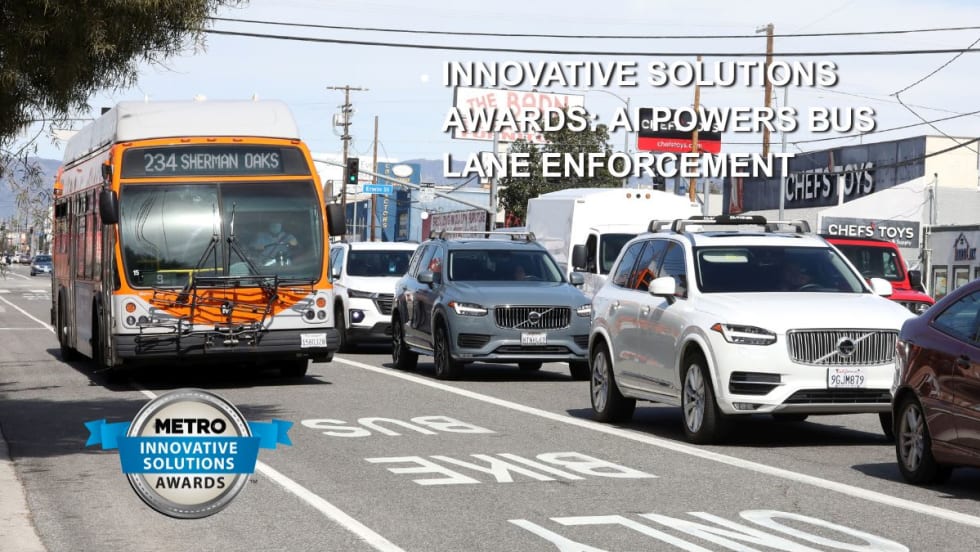
LA Metro, City of West Hollywood, and Partners Advance Smarter Bus Lane Enforcement
The award-winning partnership combines AI-powered detection with human oversight to improve bus reliability, accessibility, and enforcement efficiency.
Read More →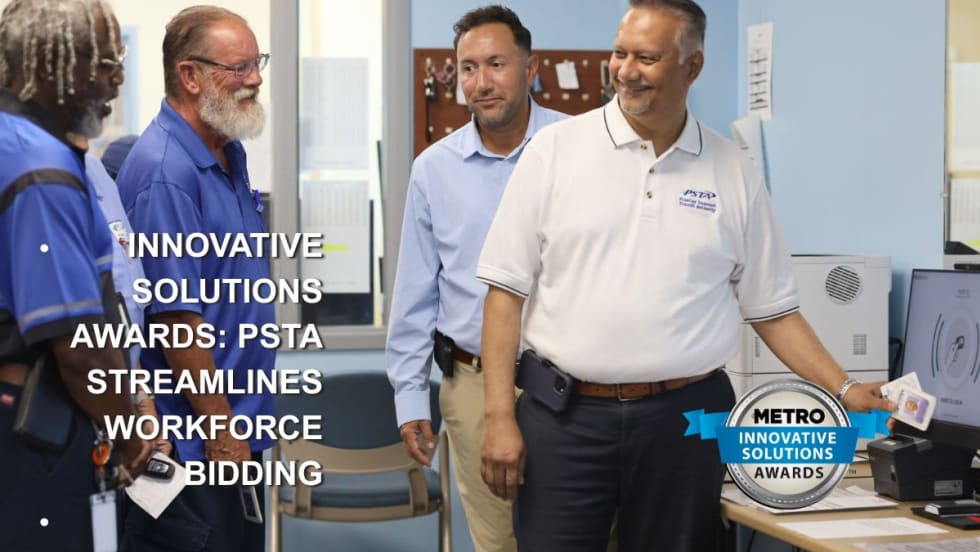
PSTA Modernizes Workforce Management with Digital Bidding System
The award-winning Workforce Transit Modernization project replaced paper bidding with a transparent digital platform, cutting administrative effort while improving access for operators.
Read More →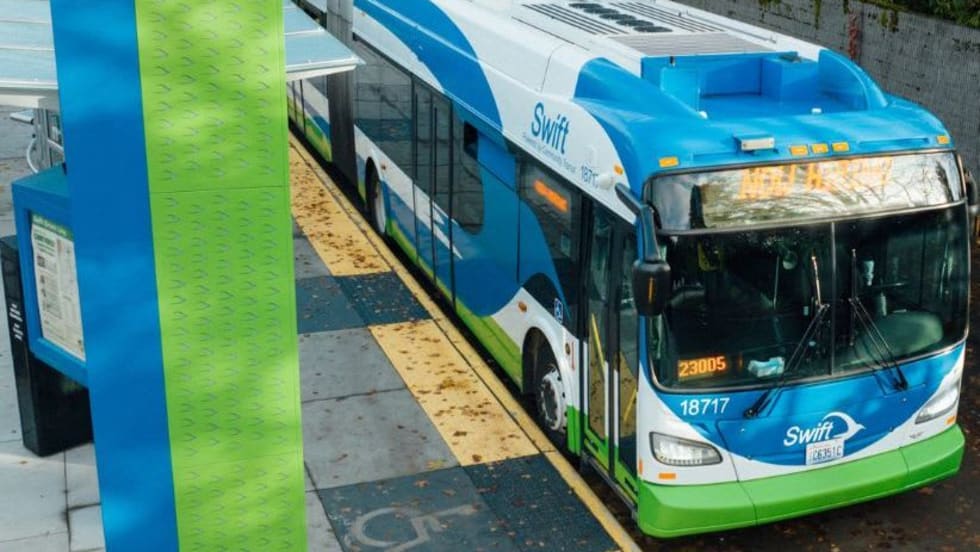
Washington's Community Transit Sets Six-Year Roadmap for Growth, Expansion
Approved TDP targets more bus service, new mobility options, Swift BRT expansion, and a potential Everett Transit annexation.
Read More →
DART Customer Satisfaction Reaches Six-Year High
Overall satisfaction rose to 74.9%, while the agency’s Net Promoter Score reached a record 33.7.
Read More →
How DART's GoPass Is Redefining Regional Mobility
Serving 14 transit agencies, GoPass simplifies multimodal travel by allowing riders to plan, pay for, and manage an entire trip through one app.
Read More →
Biz Briefs: OCTA Taps Clean Energy for Hydrogen Station, Stadler to Supply Via Rail Vehicles, and More
From manufacturers and suppliers to transit agencies and motorcoach operators, these updates offer a snapshot of the projects, partnerships and business moves driving the industry forward.
Read More →
METRO Magazine Announces 2026 Innovative Solutions Awards Winners
Projects Recognized for Advancing Mobility Through Technology, Accessibility, Workforce Innovation, and Operational Excellence
Read More →
Biz Briefs: STV teams with Amtrak, Motorcoach Operators Boost Fleet and Land Contracts, and More
From manufacturers and suppliers to transit agencies and motorcoach operators, these updates offer a snapshot of the projects, partnerships and business moves driving the industry forward.
Read More →
LA Metro Marks Banner Year, Sets Ambitious Goals for New Fiscal Year
Incoming LA Metro Board Chair and Los Angeles Mayor Karen Bass joined outgoing Board Chair Fernando Dutra and LA Metro CEO Stephanie Wiggins to review accomplishments from fiscal year 2026, which included the opening of new rail extensions, advancement of major transit projects, expanded safety programs, and new rider amenities.
Read More →
DART Taps Nathaniel P. Ford Sr. as Next President/CEO
Since 2012, Ford has served as the CEO of the Jacksonville Transportation Authority
Read More →