




Keep Reading: Seattle’s Sound Transit Breaks Ground on New Transit Center
Seattle’s King County Breaks Ground on RapidRide I Line to Expand High-Capacity Transit
The 17-mile RapidRide I Line will bring faster, more frequent service and improved regional connections across South King County.
March 20, 2026
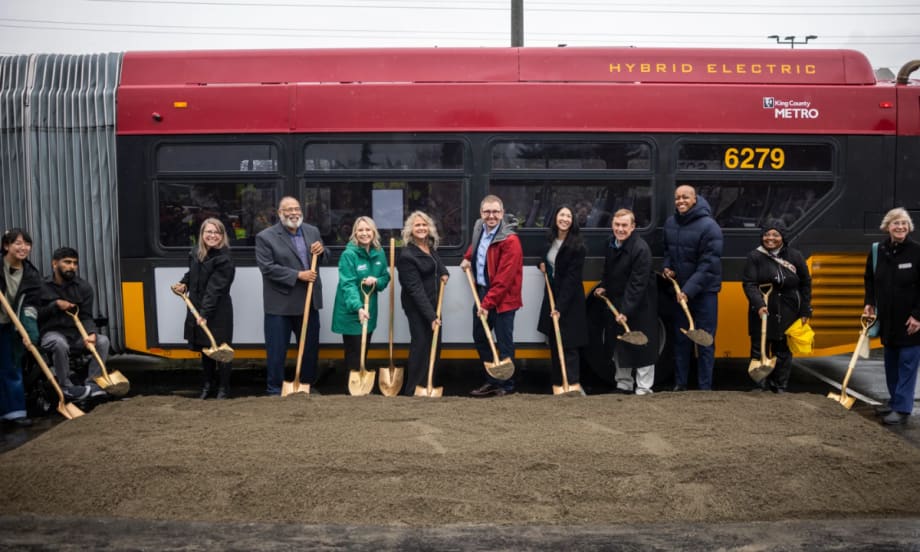
L to R: Community members Arya Nguyen and Prem Subedi, Metro General Manager Michelle Allison, State Rep. David Hackney, Auburn Deputy Mayor Tracy Taylor, Kent Mayor Dana Ralph, Renton Mayor Armondo Pavone, King County Councilmembers Steffani Fain & Peter von Reichbauer, King County Executive Girmay Zahilay, State Rep. Debra Entenman, Renton Councilmember Valerie O’Halloran.
Credit:
King County Metro
3 min to read
King County Executive Girmay Zahilay recently joined partners and community members to mark the start of construction on the RapidRide I Line in Seattle, Washington.
The $174 million, 17-mile project will transform the existing Route 160 corridor, which currently serves about 5,000 daily riders, into a high-capacity transit line. The corridor serves one of the region’s most diverse areas and includes many residents who rely on transit to access jobs, education, and essential services.
According to an agency release, “when complete, riders will benefit from faster trips, more frequent service, and improved connections across the regional transportation network.”
“The groundbreaking of the RapidRide I Line delivers on a long-standing commitment to expand fast, reliable transit service in South King County,” Zahilay said. “Auburn, Kent, and Renton are among the most diverse and fastest-growing communities in our region, and this new line will help more residents and families get to work, school, medical appointments, and other essential services without needing a car. Projects of this scale don’t happen overnight, and I’m grateful to the federal, state, county, and local partners who made today possible.”
RapidRide I Line Project Backed by Federal, State, and Local Investment
This project is supported by nearly $80 million in federal funding through the Federal Transit Administration’s Capital Investment Grant Program, along with more than $19 million in additional federal grants, $27.5 million in state funding, and $47.5 million in King County Metro funds.
Construction of the RapidRide I Line is also expected to create “economic opportunity” by supporting small businesses and expanding access to careers in the trades. The contract with Stacy Witbeck meets the county’s requirement that at least 20% of the total contract value go to certified small or disadvantaged businesses, including women- and minority-owned firms.
According to King County Metro, the project also invests in workforce development, with “a goal that 15% of total labor hours be completed by apprentices, helping build a pipeline of skilled workers.”
Additional efforts will focus on expanding access to these opportunities for women, people of color, economically disadvantaged youth, and people with disabilities. This work is further supported by federal equal employment requirements, including the Seattle area’s 7.2% participation goal for women in construction.
Faster Service, Improved Access Coming in 2027
When service begins in 2027, RapidRide I Line buses will run every 10 minutes during peak periods and every 15 minutes most of the day. Riders are expected to travel 26% faster during the morning commute and nearly 30% faster during the evening commute, reducing travel times and improving reliability.
The project includes 82 RapidRide stations, along with new or upgraded crosswalks, mid-block crossings, curb ramps, and sidewalks, improving safety and access for people getting to and from transit.
The RapidRide I Line will strengthen regional connections by linking riders to downtown Renton, the future Renton Transit Center (currently under construction), Kent Station, Auburn Station, the RapidRide F Line, future Sound Transit Stride S1 Line service, Sounder trains, and local bus routes.
Topics:Bus
More Bus

The High Cost of Transit Buses: Industry Leaders Look to Procurement Reform
Transit leaders and policymakers examine how standardized bus designs, streamlined procurement, and predictable funding could help agencies stretch budgets and deliver better service.
Read More →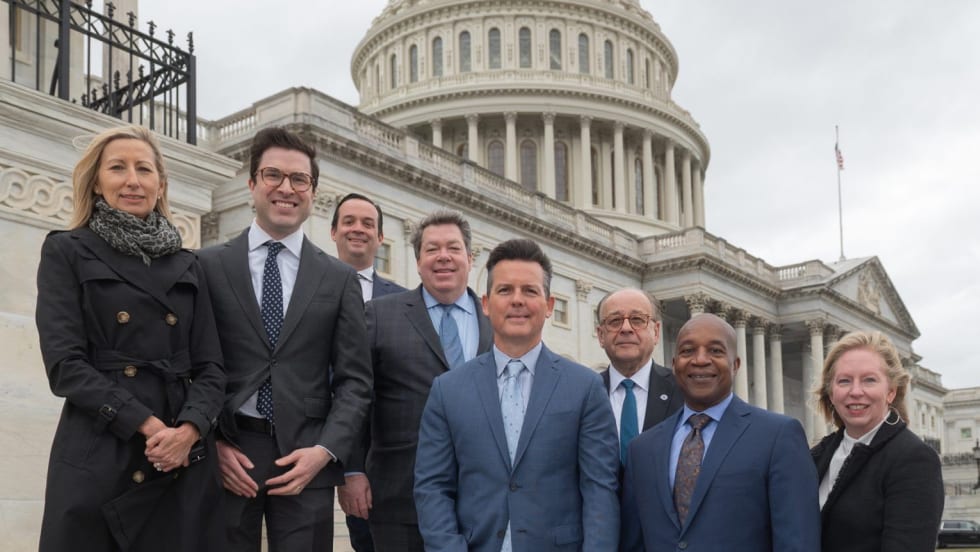
The Business Voice Behind Public Transportation
As chair of APTA’s Business Members Board of Governors, Ray Melleady explains how more than 850 business members are partnering with transit agencies to advance funding, innovation, and industry-wide collaboration.
Read More →
From Surviving to Thriving: Building Stronger Transportation Organizations
Bus Business Consultants founder Brian Dickson shares lessons on leadership, organizational health, and creating options for long-term success in a changing transportation industry.
Read More →
Finding the ‘Happy Medium’: Optimizing Maintenance Without Sacrificing Reliability
The key to maintenance optimization isn’t doing less work—it’s doing the right work at the right time on the right assets.
Read More →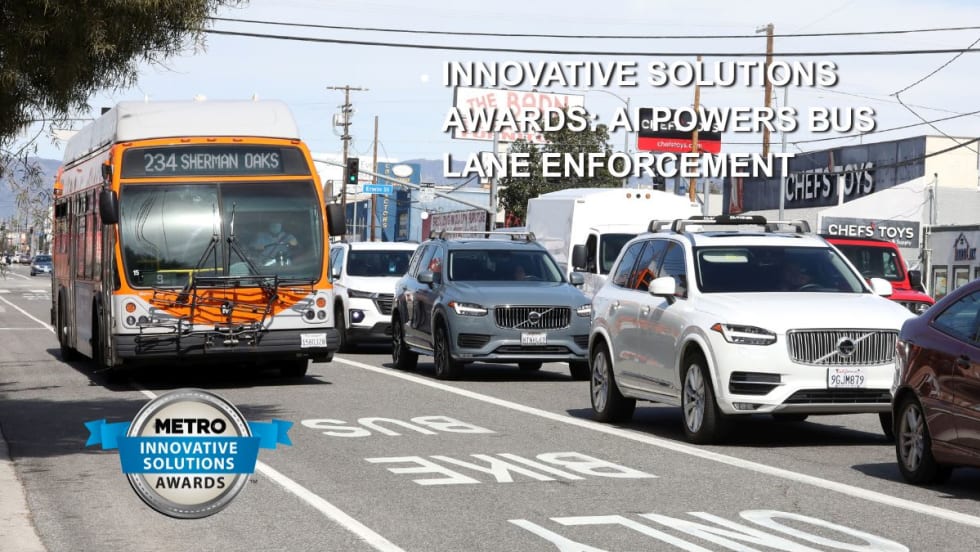
LA Metro, City of West Hollywood, and Partners Advance Smarter Bus Lane Enforcement
The award-winning partnership combines AI-powered detection with human oversight to improve bus reliability, accessibility, and enforcement efficiency.
Read More →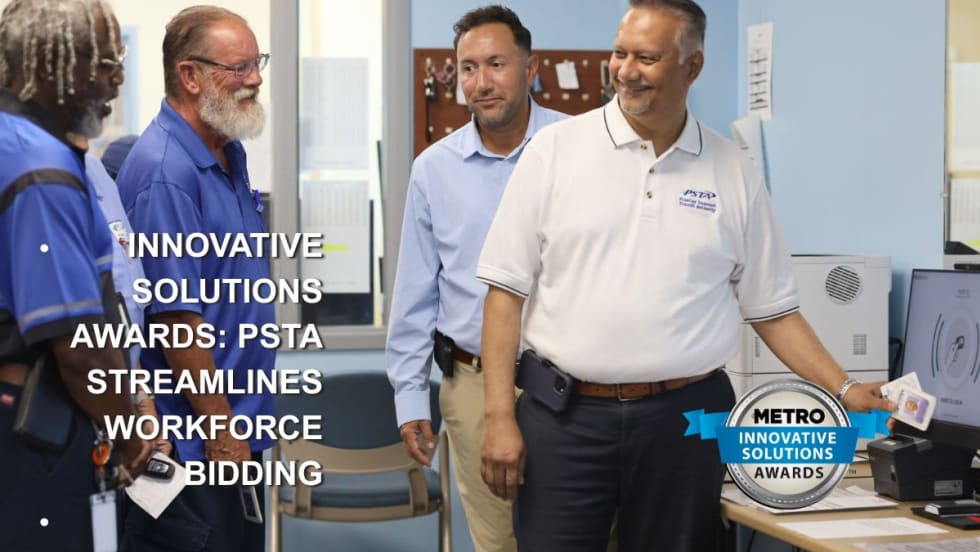
PSTA Modernizes Workforce Management with Digital Bidding System
The award-winning Workforce Transit Modernization project replaced paper bidding with a transparent digital platform, cutting administrative effort while improving access for operators.
Read More →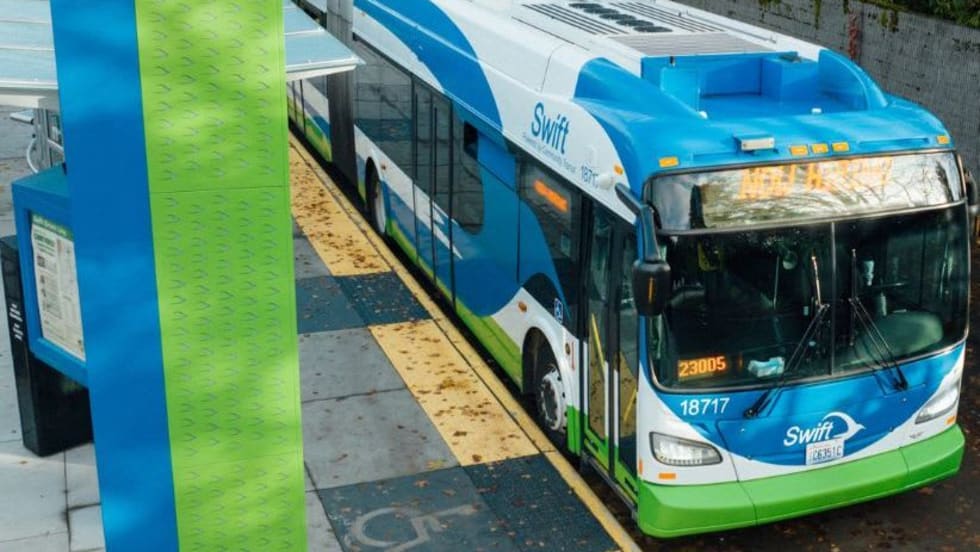
Washington's Community Transit Sets Six-Year Roadmap for Growth, Expansion
Approved TDP targets more bus service, new mobility options, Swift BRT expansion, and a potential Everett Transit annexation.
Read More →
DART Customer Satisfaction Reaches Six-Year High
Overall satisfaction rose to 74.9%, while the agency’s Net Promoter Score reached a record 33.7.
Read More →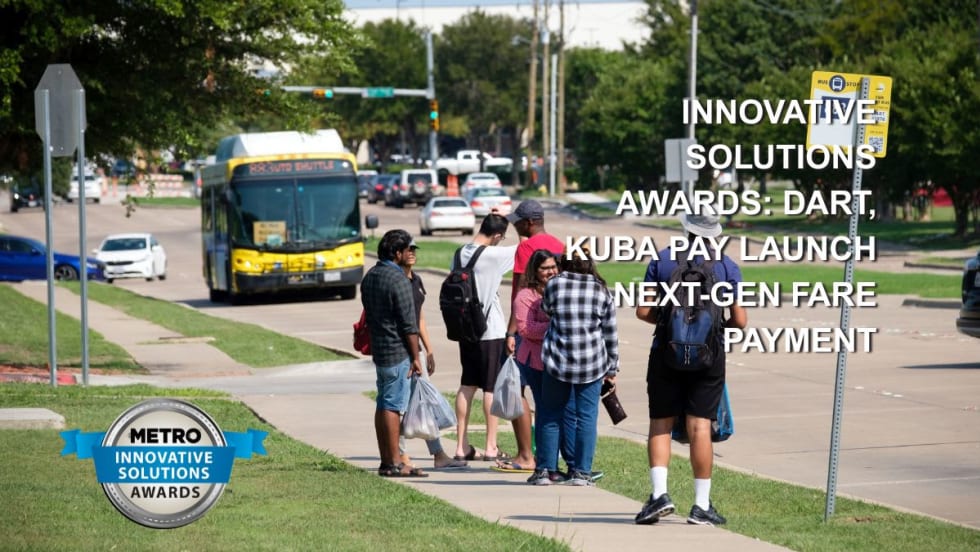
How DART's GoPass Is Redefining Regional Mobility
Serving 14 transit agencies, GoPass simplifies multimodal travel by allowing riders to plan, pay for, and manage an entire trip through one app.
Read More →
Biz Briefs: OCTA Taps Clean Energy for Hydrogen Station, Stadler to Supply Via Rail Vehicles, and More
From manufacturers and suppliers to transit agencies and motorcoach operators, these updates offer a snapshot of the projects, partnerships and business moves driving the industry forward.
Read More →