



FMCSA issues guidance for interstate passenger transportation
Aims to clarify existing regulations and requirements that have been changed over the years through legislation, rulemaking, and litigation.

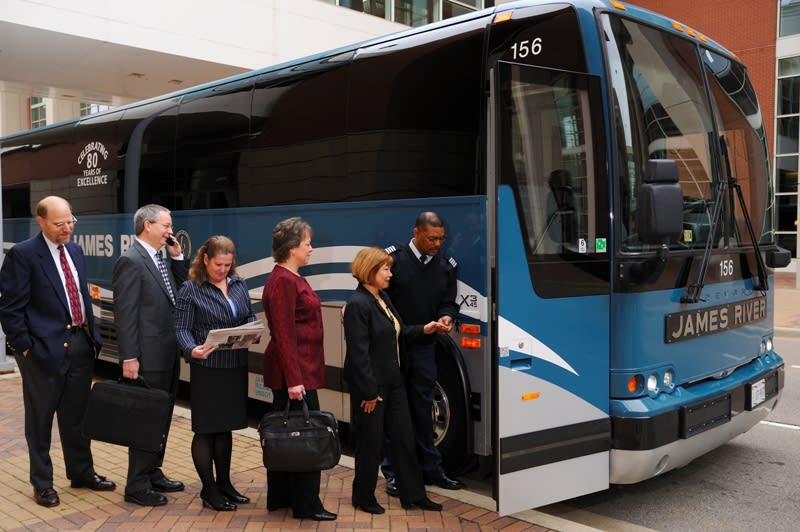
James River Transportation
James River Transportation
The Federal Motor Carrier Safety Administration (FMCSA) issued guidance to organizations and businesses that transport passengers in interstate commerce, clarifying existing FMCSA regulations and requirements that have been changed over the years through legislation, rulemaking, and litigation.
“Passengers traveling by motorcoaches, buses, and vans have every right to expect that the vehicle is safe and that their driver is fully qualified, without exception,” said Transportation Secretary Anthony Foxx. “Motor carriers that are hired and that receive payment to transport passengers must thoroughly understand and fully comply with safety regulations that exist to protect everyone traveling on our nation’s roadways.”
In providing this guidance, FMCSA has also constructed an online resource page to help advise businesses and organizations that provide interstate passenger transportation services, including hotel-related shuttle bus or van operations; employer-related services; education-related institutions; faith-based organizations; and passengers using multiple transportation modes.
Federal Motor Carrier Safety Regulations (FMCSRs) set minimum safety standards for motor carriers, vehicles, and drivers operating in interstate commerce — defined generally as trade, traffic, or transportation in the U.S. traveling across state lines. An organization or a business operating a commercial motor vehicle in interstate commerce, unless otherwise specifically excepted, is subject to FMCSRs. These regulations, which may or may not apply, depending on the operation, include FMCSA registration requirements, minimum levels of insurance, random drug and alcohol testing, driver licensing, hours-of-service limitations to prevent fatigued driving, vehicle safety inspection and maintenance, and other requirements.
“Travel by motorcoach, bus, van, or shuttle is among the safest forms of transportation in the country,” said FMCSA Administrator T.F. Scott Darling, III. “This guidance will help improve safety by clarifying which federal safety rules apply to certain passenger carrier operations.”
The regulatory guidance provides clarity about U.S. DOT operating authority registration requirements, minimum levels of financial responsibility, and the applicability of safety and commercial regulations.
To read the passenger carrier guidance Federal Register notice and submit comments, click here.
More Motorcoach

People Movement: Dan Dipert Coaches Adds Third-Generation Leader, Keolis Names New Valley Metro VP/GM, and More
In this edition, we also cover recent appointments and announcements at the Wabtec, SilverRide, HNTB, and more, showcasing the individuals helping to shape the future of transportation.
Read More →
METRO Opens Submissions for 2026 Motorcoach Awards
Nominations are now being accepted for METRO Magazine’s Operator of the Year and Innovative Operator of the Year awards.
Read More →
Biz Briefs: Alstom Lands Canadian Contract, LYT to Supply California TSP, and More
In METRO's latest installment, we take a look at recent news from Complete Coach Works, Beep, FlixBus, and more partnerships making headlines across the transportation sector.
Read More →
Biz Briefs: RIPTA Unveils New Frontrunners, Clevland RTA Adds New Siemens, and More
In METRO's latest installment, we take a look at recent news from Siemens, Prevost, Dodge, and more partnerships making headlines across the transportation sector.
Read More →
People Movement: Holly Arnold Joins Transdev and More
In this edition, we also cover recent appointments and announcements at Pace, CamTran, MCI, and more, showcasing the individuals helping to shape the future of transportation.
Read More →
ABA Report: Motorcoach Travel Generates $161.6B Economic Impact
The 2025 analysis finds motorcoach travel supported nearly 900,000 jobs and generated $28 billion in federal, state, and local taxes.
Read More →
CharterUP’s Armir Harris on Technology, AI, and the Future of Group Mobility
In a recent episode of METROspectives, CharterUP Founder/CEO Armir Harris discussed the company’s evolution from an online charter bus marketplace into a technology platform supporting public- and private-sector mobility and much more.
Read More →
People Movement: ABC Names John Walsh as Chief Commercial Officer
In this edition, METRO also covers recent appointments and announcements at the DART, STV, and more, showcasing the individuals helping to shape the future of transportation.
Read More →
From Surviving to Thriving: Building Stronger Transportation Organizations
Bus Business Consultants founder Brian Dickson shares lessons on leadership, organizational health, and creating options for long-term success in a changing transportation industry.
Read More →
Biz Briefs: Luminator Marks Milestone and More
From manufacturers and suppliers to transit agencies and motorcoach operators, these updates offer a snapshot of the projects, partnerships and business moves driving the industry forward.
Read More →