



FMCSA: Roadside inspections saved 472 lives
Annual Roadside Intervention Effectiveness Model analysis estimates that in 2012 — the most recent year in which data is available — these life-saving safety programs also prevented nearly 9,000 injuries from more than 14,000 crashes involving large commercial trucks and buses.

U.S. DOT

U.S. DOT
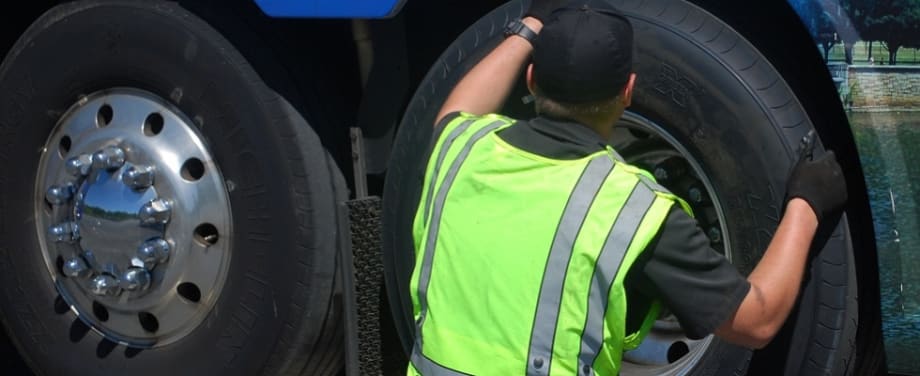
The Federal Motor Carrier Safety Administration (FMCSA) released an annual analysis that estimates that commercial vehicle roadside safety inspection and traffic enforcement programs saved 472 lives in 2012. Since 2001, these programs have saved more than 7,000 lives.
“Over the last several decades, we’ve made tremendous strides in reducing the number of traffic fatalities and injuries on our nation’s roadways,” said U.S. Transportation Secretary Anthony Foxx. “The roadside safety inspection and traffic enforcement programs exemplify our commitment to continue to raise the bar on safety and build upon our progress.”
FMCSA’s annual Roadside Intervention Effectiveness Model analysis estimates that in 2012 — the most recent year in which data is available — these life-saving safety programs also prevented nearly 9,000 injuries from more than 14,000 crashes involving large commercial trucks and buses.
“We should recognize the essential role played by thousands of carriers and millions of professional truck and bus drivers on the road every day who understand the importance of protecting the safety of the traveling public while also doing their part to move the economy,” said FMCSA Acting Administrator Scott Darling. “Our analysis demonstrates that inspectors at roadside and state troopers conducting traffic enforcement are making a vital difference to prevent crashes. In addition, the truck and bus industries are working every day to comply with federal safety regulations designed to make sure that everyone reaches their destination safe and sound.”
In all 50 states, the District of Columbia, and in all U.S. territories, federal, state, and municipal commercial vehicle safety inspectors that are trained and certified conduct thousands of unannounced roadside safety inspections on commercial trucks, buses and their drivers on a daily basis.
Annually, more than 3.5 million such inspections are conducted. Commercial vehicles that fail inspection are immediately placed out-of-service and not allowed to potentially endanger the lives of the drivers and of the motoring public. Similarly, commercial drivers who are not compliant with critical safety requirements are also immediately placed out-of-service and not allowed to continue driving.
More Motorcoach

Biz Briefs: Luminator Marks Milestone and More
From manufacturers and suppliers to transit agencies and motorcoach operators, these updates offer a snapshot of the projects, partnerships and business moves driving the industry forward.
Read More →
ABAF Study Reveals Growing Insurance Crisis for Motorcoach Operators
Preliminary findings show 98% of operators faced premium increases over the past five years, while shrinking insurer participation is putting added pressure on businesses and customers.
Read More →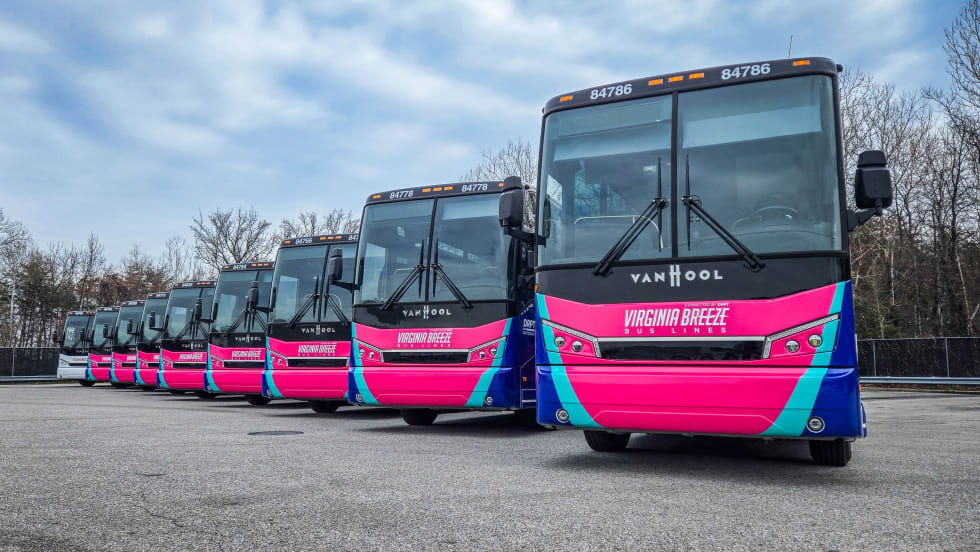
Motorcoach Market Remains Flat Amid Shift in Buying Patterns
Q2 sales totaled 514 units, up slightly from 2025, as operators favored pre-owned equipment and public-sector purchases increased.
Read More →
Biz Briefs: OCTA Taps Clean Energy for Hydrogen Station, Stadler to Supply Via Rail Vehicles, and More
From manufacturers and suppliers to transit agencies and motorcoach operators, these updates offer a snapshot of the projects, partnerships and business moves driving the industry forward.
Read More →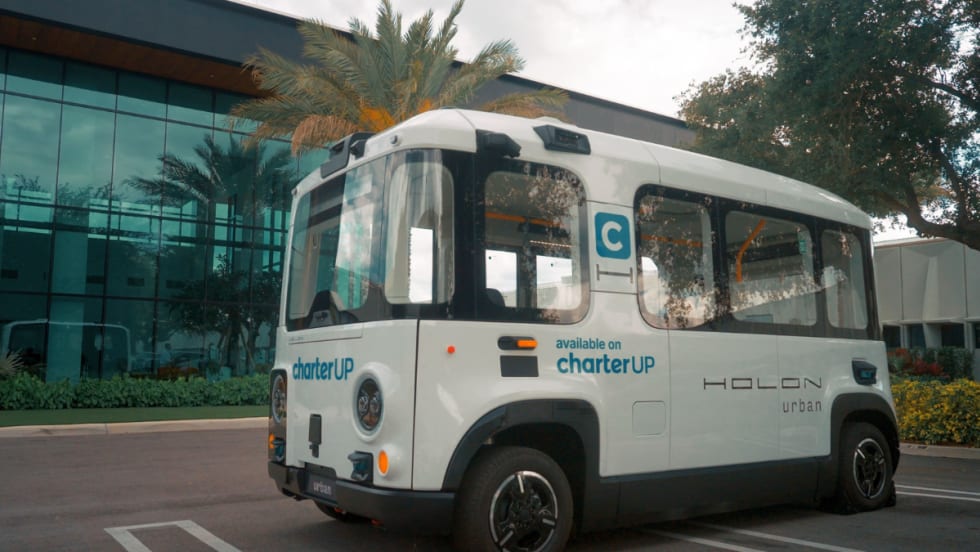
CharterUP Expands Into New Mobility and Autonomous Transportation
Vice President of New Mobility Stephen Joos discusses how CharterUP is leveraging its nationwide transportation network, technology platform, and autonomous vehicle partnerships to expand into workforce mobility, campus shuttles, and transit solutions.
Read More →
Biz Briefs: STV teams with Amtrak, Motorcoach Operators Boost Fleet and Land Contracts, and More
From manufacturers and suppliers to transit agencies and motorcoach operators, these updates offer a snapshot of the projects, partnerships and business moves driving the industry forward.
Read More →
EPA Proposal to Ease Diesel Emissions Compliance Could Improve Reliability for Motorcoach Operators
The EPA is proposing to remove DEF-related engine derates for new heavy-duty diesel vehicles, a change bus operators say would improve safety and reliability while sparking debate over the future of emissions enforcement.
Read More →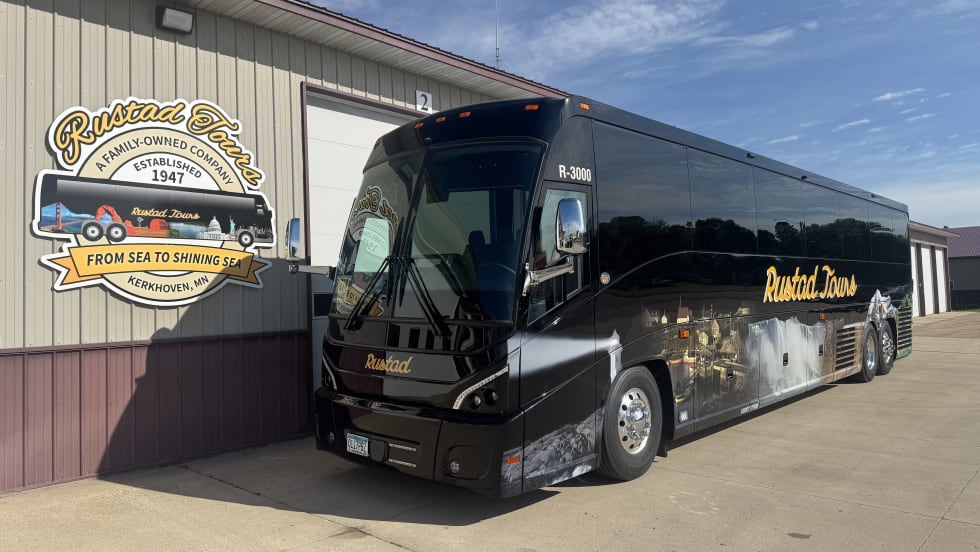
Minnesota's Rustad Tours Takes Delivery of New MCI Motorcoach
The latest addition represents Rustad Tours’ 17th new MCI coach, marking more than four decades of partnership between the two companies.
Read More →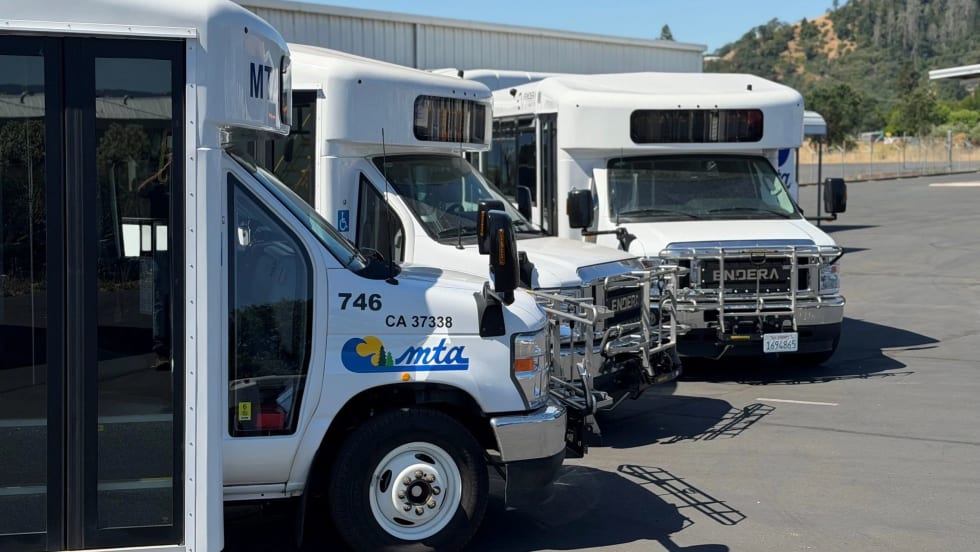
Biz Briefs: Endera Delivers to California, Safety Vision Teams with San Antonio's VIA, and More
From manufacturers and suppliers to transit agencies and motorcoach operators, these updates offer a snapshot of the projects, partnerships and business moves driving the industry forward.
Read More →
Modernizing Mobility with CharterUP CEO Armir Harris
From digital transformation to evolving customer demands, CharterUP's Armir Harris offers his perspective on the transportation industry's next chapter.
Read More →