



<font color=red>Web Extra:</font> County centralizes paratransit service, rebids contracts
Broward County, Fla., faced a $109 million budget deficit. By rebidding contracts with van companies and establishing a centralized call center and dispatch system, officials hope to save $8 million.

As of Jan. 1, Broward County, Fla., transitioned its door-to-door paratransit services to a centralized call center and rebid contracts with service providers, in an effort to consolidate the service and make it more efficient.
Previously, nine different companies had contracts to provide paratransit service for the county but the number was reduced to five under the new contracts, says Robert Nelson, the county's director of transit. Before the switch, the service providers all made their own reservations and handled routing separately.
As Nelson describes it, the county's transportation department had been looking at ways to make paratransit trip routing more efficient — the county provides about 900,000 paratransit rides per year. "We ran some tests with some routing software and that got us thinking we needed a centralized call center so the trips are flowing through one source, not nine different sources," Nelson explains.
While budget concerns played a part in the impetus to make the change, Nelson says improved customer service and efficiency are also targets. The county hopes to be able to track clients' trip patterns, special transportation needs and experience with the service through the call center, which is also outsourced.
A recent blog post on SunSentinel.com cited critics of the change who have voiced concern over delays in service for the area's disabled residents. The post noted that the county's three longest-serving providers lost out to lower-cost bidders. Critics have questioned whether the new providers would be ready for the Jan. 1 start date with vehicles in proper condition.
"We've just started our third week of this new program, and it's had some hiccups in terms of transitioning clients into a more centralized service model, but it's getting better everyday," Nelson says. "Some of our long-term clients would say, 'but I had my favorite driver.' So we're being very delicate with that by delivering enhanced customer service."
According SunSentinel.com, the county faced a $109 million budget deficit this year, forcing commissioners to order the restructuring of the tax-supported paratransit service. By rebidding the van contracts and switching to the centralized call center, officials believe they will save $8 million.
In addition, Nelson says, "The upside will be the opportunity to leverage the developing technology in this industry that would be more cumbersome if we didn't have a centralized call center. I don't think there will be any downsides, but we have to be mindful of the clients' history with the program and recognize that centralization is a different model and we've got to work with them in a collaborative way."
More Paratransit
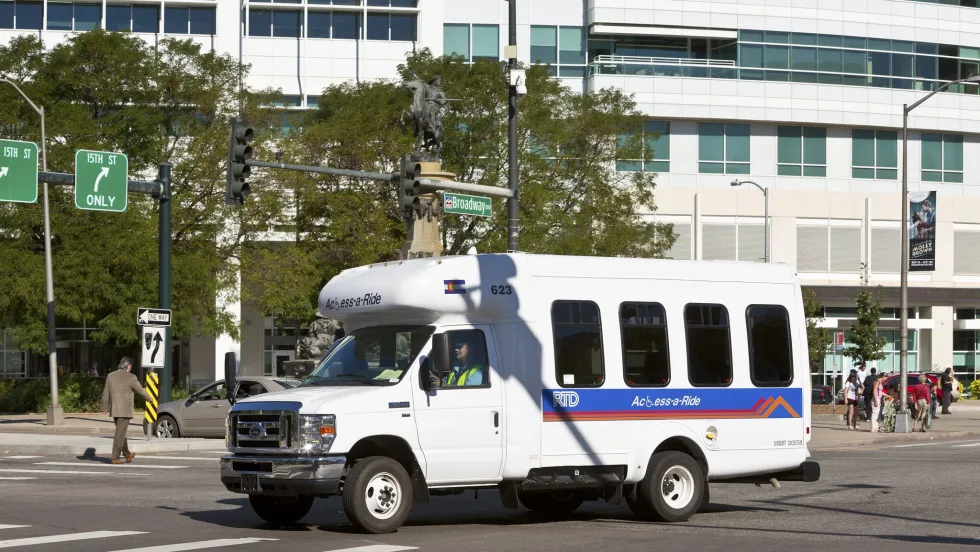
Denver RTD Committee to Review Paratransit Services, Improve Accessibility
The committee will oversee an independent study of paratransit operations, gather customer feedback, and recommend improvements to service reliability, accessibility, and accountability.
Read More →
Laketran Cuts Fuel Costs, Boosts Efficiency with Propane-Powered Fleet
The Ohio transit agency is using propane-powered vehicles and on-site fueling infrastructure to cut fuel and maintenance costs while meeting growing demand for paratransit services.
Read More →
Pierce Transit Moves to Expand Fleet Following Proposition 1 Approval
The agency authorized the purchase or refurbishment of up to 60 buses to support a 47% service expansion, as voters nationwide approved billions in new transit funding.
Read More →
Right-Sizing Rural Transit: Lessons from North Grenville’s On-Demand Model
A small municipality shows how flexible service, rider needs, and public accountability can expand mobility with limited resources.
Read More →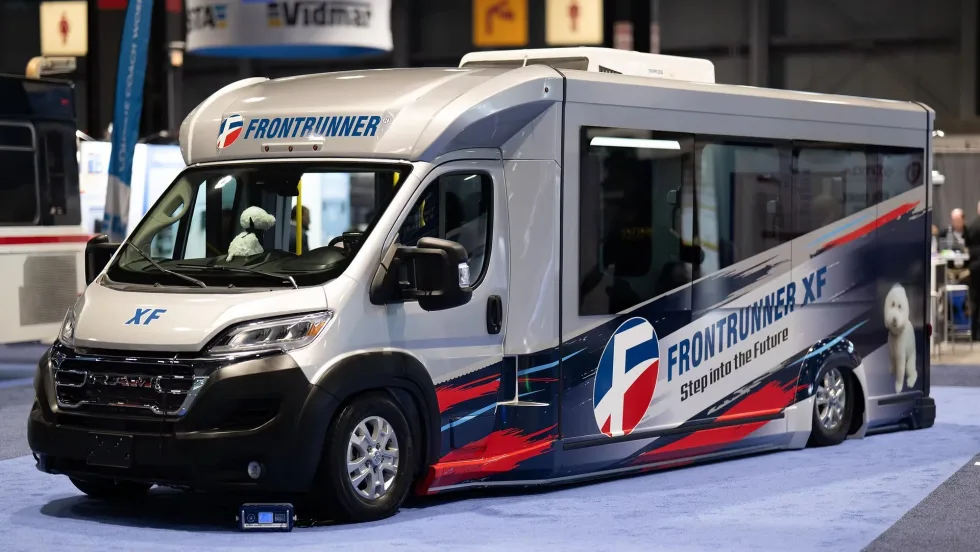
Frontrunner Bus Group Introduces XF Low-Floor Bus with Enhanced Accessibility
The new mid-sized bus features a full flat-floor design, eight-inch curbside step-in height, and zero-entry rear ramp to improve passenger access and operational flexibility.
Read More →
Scenes from APTA TRANSform & EXPO 2026
Transit leaders, manufacturers, and industry professionals gathered in Chicago to explore new technologies, share ideas, and discuss the future of public transportation.
Read More →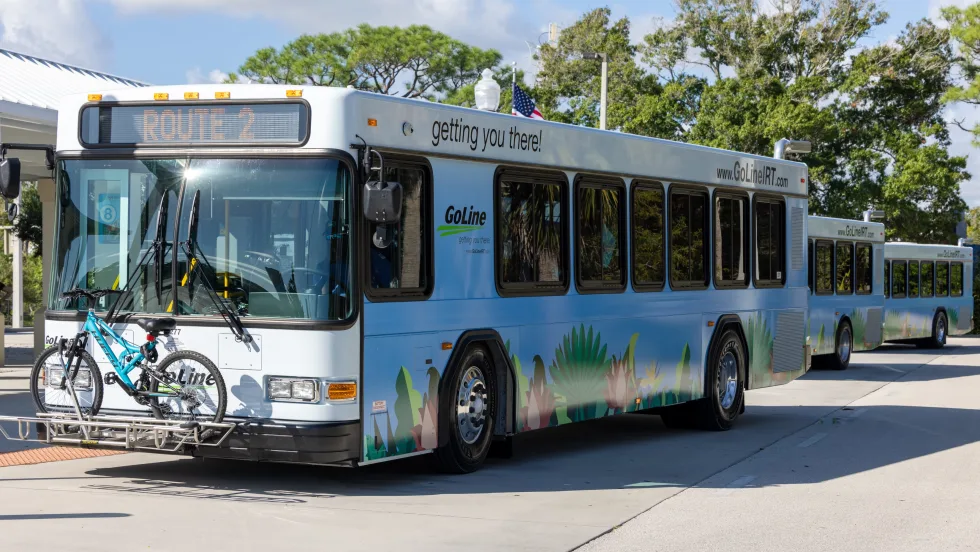
Indian River Transit’s Community-Focused Approach Earns National Recognition
Named APTA’s 2026 Outstanding Public Transportation System in its size category, Florida’s Indian River County transit system continues to grow ridership through fare-free service and a focus on evolving community needs.
Read More →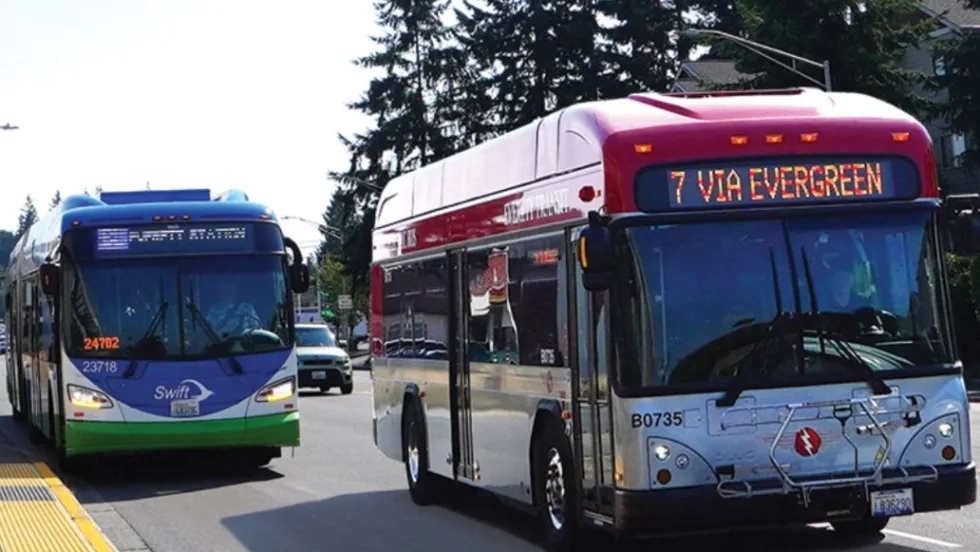
Everett Transit, Community Transit Outline Consolidation Agreement
The proposed agreement calls for a 50% increase in bus service in Everett, a new microtransit zone, continued paratransit service, and the transfer of Everett Transit operations to Community Transit.
Read More →
Driving Smarter Paratransit
John Hanlon shares how AlphaRoute is leveraging AI-powered technology to help paratransit providers optimize operations, support frontline staff, and enhance the rider experience.
Read More →
People Movement: Dan Dipert Coaches Adds Third-Generation Leader, Keolis Names New Valley Metro VP/GM, and More
In this edition, we also cover recent appointments and announcements at the Wabtec, SilverRide, HNTB, and more, showcasing the individuals helping to shape the future of transportation.
Read More →