



FRA ramps up campaign to address nationwide grade crossing safety
The first phase of the effort calls upon local law enforcement agencies to show a greater presence at grade crossings, issue citations to drivers that violate rules of the road at crossings and consider rapid implementation of best practices for grade crossing safety.

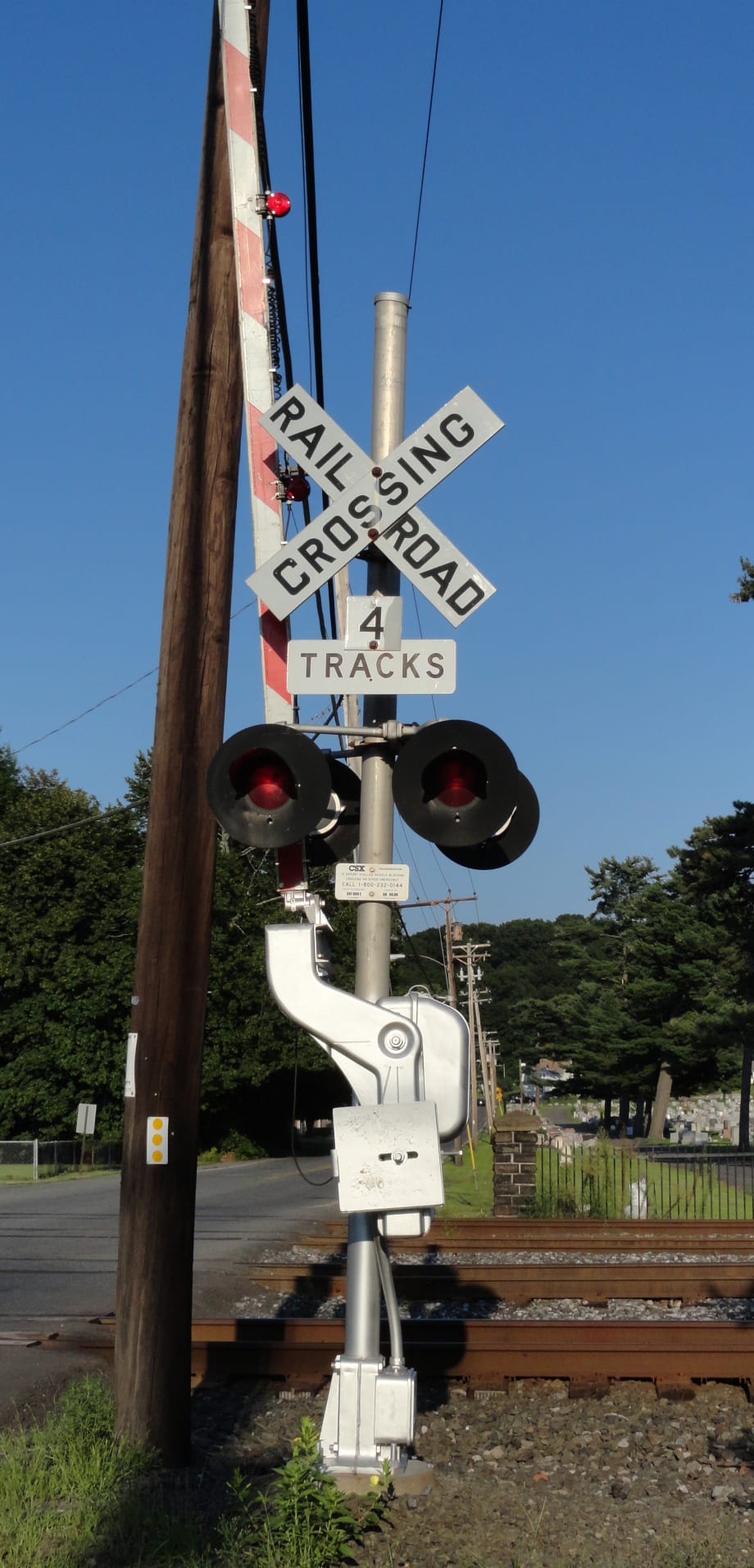
As part of its ongoing effort to improve safety at railroad grade crossings, the Federal Railroad Administration (FRA) announced the first step in a new, multi-faceted campaign aimed at strengthening enforcement and safety awareness at grade crossings.
The first phase of the effort calls upon local law enforcement agencies to show a greater presence at grade crossings, issue citations to drivers that violate rules of the road at crossings and consider rapid implementation of best practices for grade crossing safety.
The next phase of FRA’s efforts to improve safety at grade crossings will aim to employ smarter uses of technology; increase public awareness of grade crossing safety, including distracted driving; improve signage; work closer in partnership with states and local safety agencies; and call for new funding for greater safety at grade crossings.
RELATED:Transit Emergency: What Can You Do to Stay Safe?
“Recent accidents in New York and California are important reminders of our shared challenge to both educate the public about grade crossing safety, and to enforce appropriate behavior around railroad operations,” said U.S. Transportation Secretary Anthony Foxx. “Grade crossing and trespassing accidents are serious challenges to maintaining public safety. Every three hours of every day, someone is hit by a train in the United States and we must do all we can to heighten public awareness, strengthen enforcement efforts and pioneer new technologies to better secure public safety.”
There are 250,711 grade crossings in the U.S.; about 51% of those are public-at-grade crossings. Only half of all public grade crossings have automatic-warning systems and only a third have flashing lights and gates. Approximately 15% of all grade crossings are grade separated — the safest of all crossings — meaning railroad traffic is completely separated from vehicle and pedestrian traffic.
States and localities have traditionally played the most significant role in determining the type of warning system present at grade crossings, with most system decisions determined by traffic levels. Upgrades to existing grade crossings are also the responsibility of states and local communities. Under federal law and regulations, railroads are responsible for inspecting, testing, and maintaining highway-rail grade crossings.
More Rail
New York MTA Launches Historic $1.9B Signal, Track Modernization Project
Funded in part by congestion pricing revenue, the project will replace nearly century-old signals along the A and C lines in Brooklyn and Queens.
Read More →
LA Metro Breaks Ground on East San Fernando Valley Light Rail Project
The 6.7-mile line will add 11 stations along Van Nuys Boulevard, expand access to jobs and regional transit connections, and support Metro’s broader efforts to improve mobility as rail ridership grows.
Read More →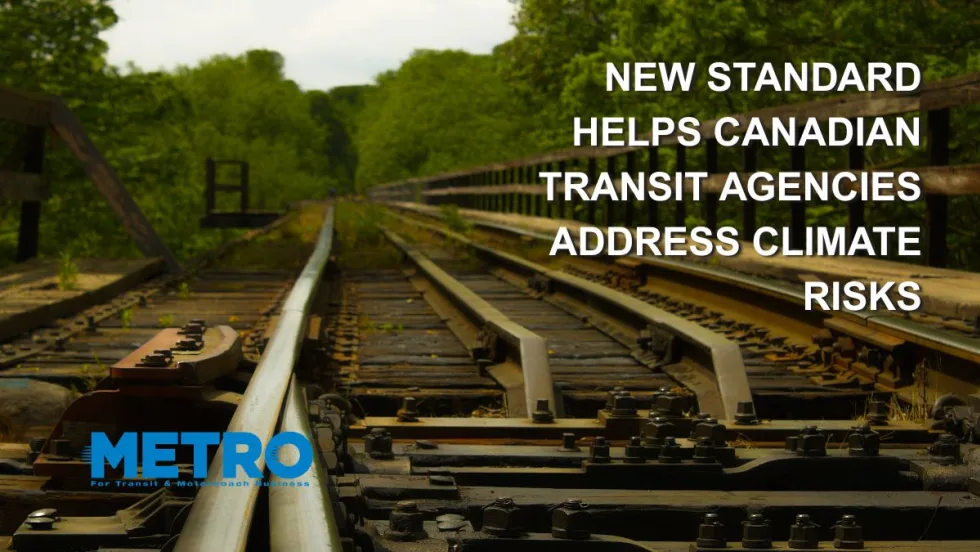
CSA Group Releases Climate Resilience Standard for Transit, Passenger Rail
Developed with support from the Standards Council of Canada, CSA D700 guides assessing climate-related risks and planning adaptation measures for transit and passenger rail systems.
Read More →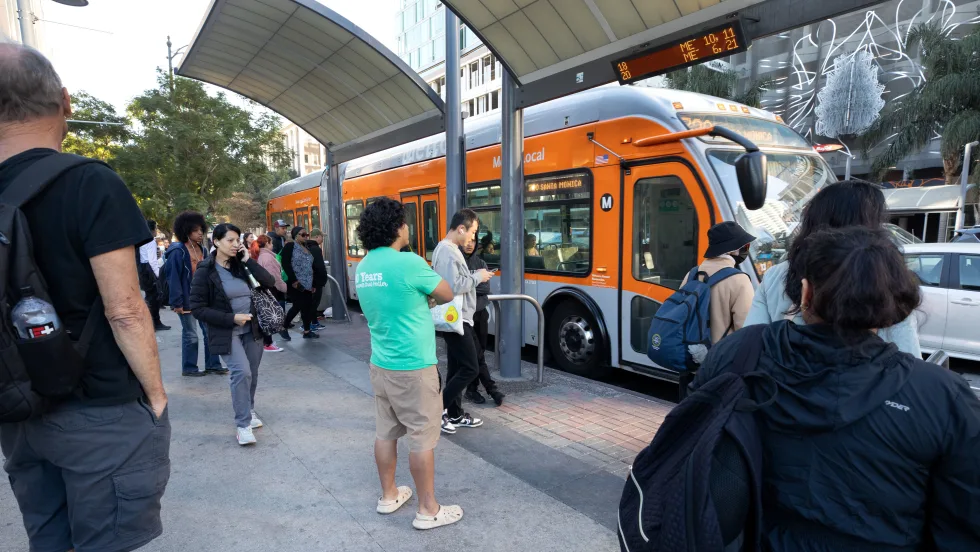
LA Metro September Ridership Climbs 3.9%, Led by Rail Growth
The agency recorded more than 27.2 million boardings, with rail ridership increasing 12.4% year over year and the D Line posting the largest gains.
Read More →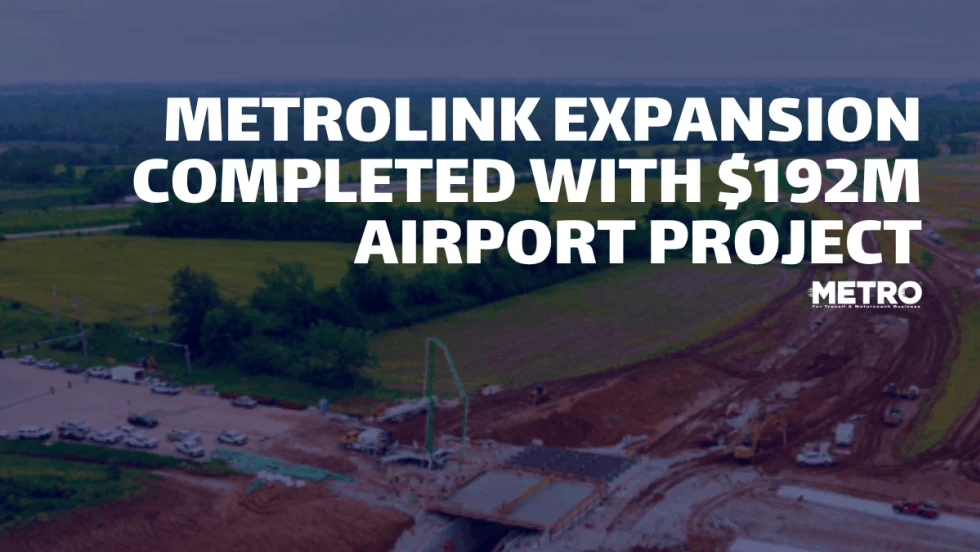
First Full MetroLink Rail Expansion Completed in 20 Years with $192M Airport Project
The project links two St. Louis-area airports by light rail while adding roadway and bike trail connections to improve regional access and mobility.
Read More →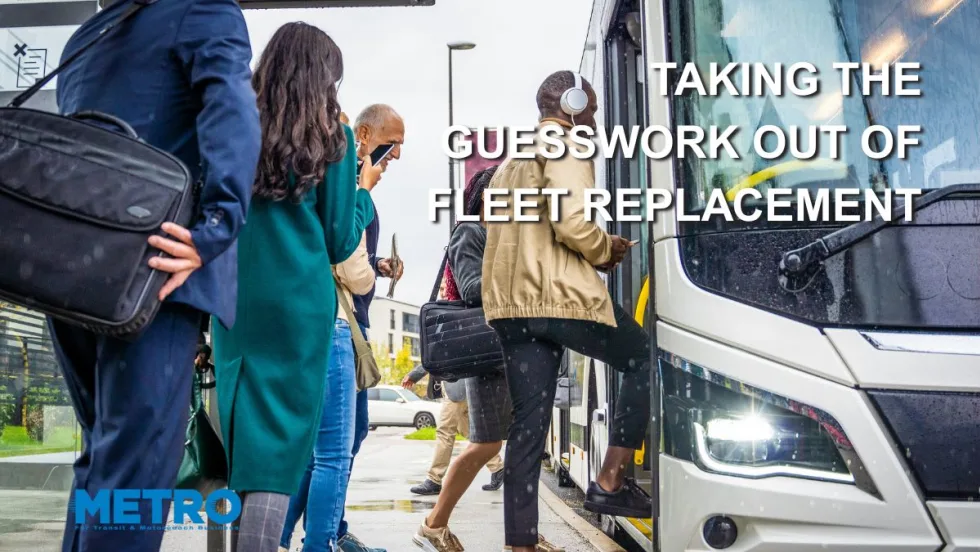
Utilimarc Launches SmartReplace to Optimize Fleet Replacement Decisions
AI-powered SmartReplace helps fleets prioritize vehicle replacements, model budget scenarios, and build more defensible long-term strategies.
Read More →
Scenes from APTA TRANSform & EXPO 2026
Transit leaders, manufacturers, and industry professionals gathered in Chicago to explore new technologies, share ideas, and discuss the future of public transportation.
Read More →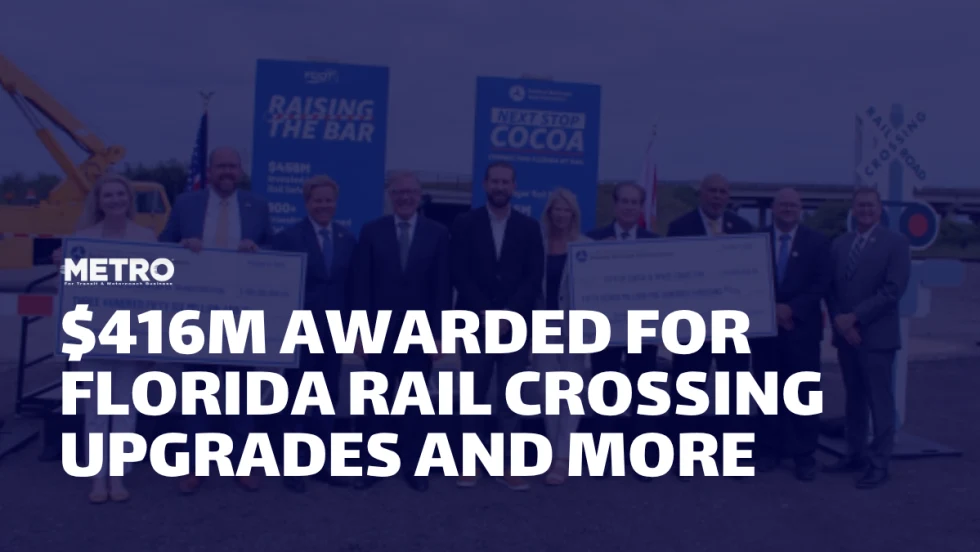
USDOT Awards $416 Million for Florida Rail Crossing Safety Upgrades, New Brightline Station
The projects aim to reduce risks for motorists and pedestrians at rail crossings while expanding passenger rail access along Florida’s Space Coast.
Read More →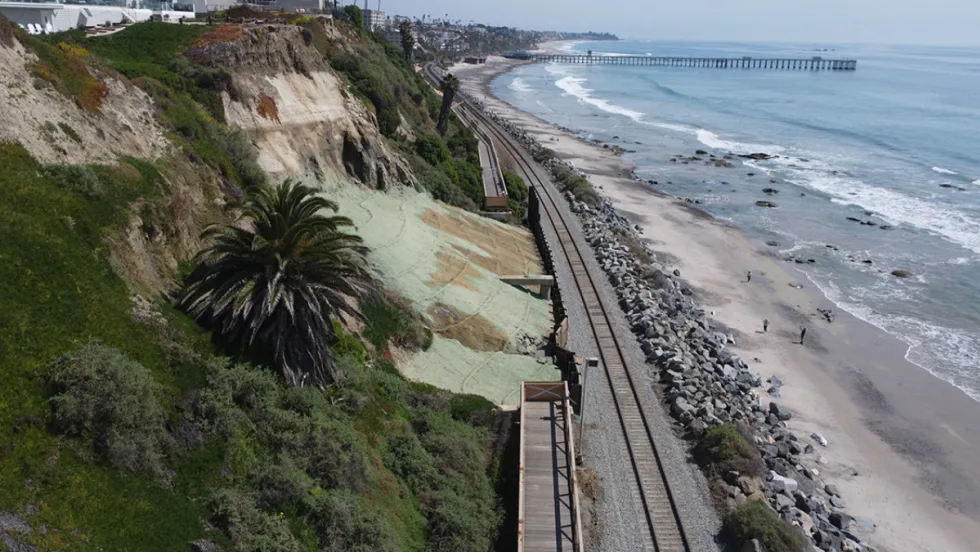
OCTA Declares Emergency to Protect Rail Corridor From Coastal Erosion
The California agency is accelerating shoreline protection and plans to place approximately 690,000 cubic yards of sand along the San Clemente coast to protect a key passenger and freight rail link.
Read More →
More Than a Summer Job: Building the Next Generation of Transit Talent
The Delaware River Port Authority and PATCO have transformed their internship program into a hands-on professional development experience that introduces students to the breadth of transportation careers — and creates a pipeline for future employees.
Read More →