



FRA releases options to guide future Northeast Corridor investment
The Tier 1 Draft EIS includes alternative visions for investment in the NEC. The visions range from maintaining the current level of investment and service to significant investment that would dramatically increase rail’s role in transportation for the Northeast.

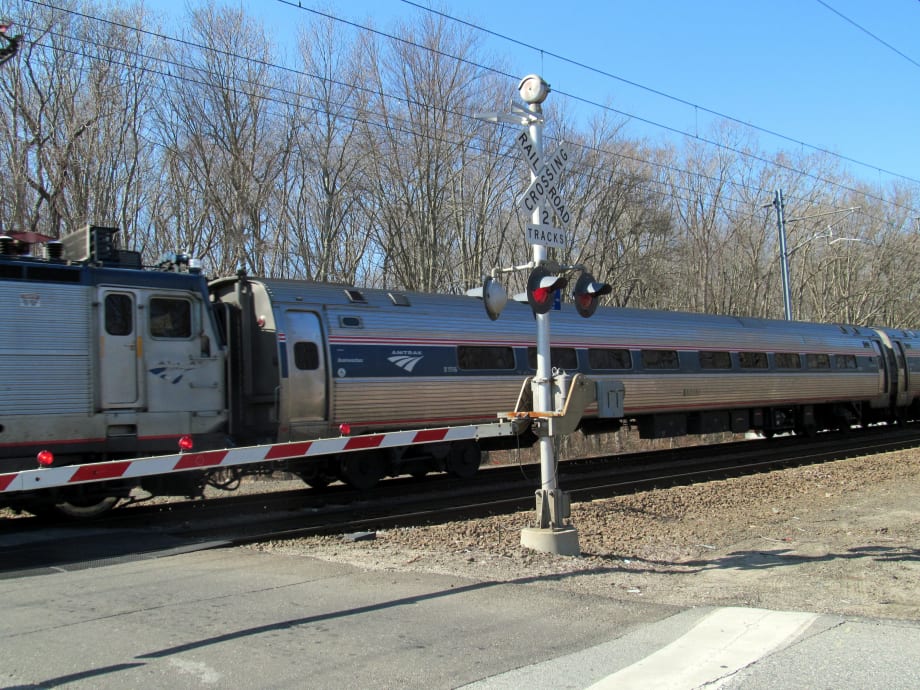
The Federal Railroad Administration (FRA) released a Tier 1 Draft Environmental Impact Statement (EIS) for NEC FUTURE, FRA’s long-term investment framework for the Northeast Corridor (NEC) between Washington, D.C. and Boston, Mass.
“Over the next 30 years, an additional six million people will live along this corridor. To keep everyone to move safely, quickly and efficiently, we need smart planning and significant investment in the Northeast Corridor,” said U.S. Transportation Secretary Anthony Foxx. “We are seeking input as we work toward developing a long-term vision that will prioritize rail investments to ensure a vibrant and safe future for the northeast region and the nation.”
The Tier 1 Draft EIS includes alternative visions for investment in the NEC. The visions range from maintaining the current level of investment and service to significant investment that would dramatically increase rail’s role in transportation for the Northeast. FRA will hold 11 public hearings to gather input and feedback from stakeholders that will inform FRA’s decision on a preferred investment program.
The NEC is the nation’s busiest rail corridor, with more than 700,000 passengers traveling each weekday through eight states and the District of Columbia. The NEC contributes more than $100 million every day to the Northeast’s economy, but it currently operates on outdated infrastructure, much of it built more than 100 years ago, with capacity constraints that cannot accommodate future growth. Choke points and aging infrastructure often disrupt the system’s reliability and performance.
“Trains that connect our nation’s university hub to its financial center to its capital ride over bridges built before 1910 and through tunnels built after the Civil War,” said Federal Railroad Administrator Sarah Feinberg. “NEC FUTURE will guide the region in developing a long-term framework to build a stronger Northeast Corridor that supports economic growth and creates jobs.”
The Tier 1 Draft EIS, which outlines the various visions, is now available for download and review here.
FRA considered a broad range of alternatives for the NEC, beginning in 2012 with a public scoping process and analysis of travel markets. In 2013, the FRA consolidated nearly 100 initial concepts into 15 visions (Preliminary Alternatives) that varied by level of investment, service, and route.
In 2014, the FRA evaluated the Preliminary Alternatives and identified three distinct Action Alternatives; these have been refined and analyzed in the Tier 1 Draft EIS. Each Action Alternative represents a different long-term vision for improving passenger rail service that will enhance mobility options, improve performance, and better serve existing and future passengers in the study area.
More Management
Brian Dickson on Building Stronger, More Resilient Transportation Organizations
Bus Business Consultants Founder Brian Dickson discusses the leadership principles, operational discipline, and strategic planning that separate transportation companies positioned for long-term success from those stuck in survival mode.
Read More →
LA Metro Breaks Ground on Vermont BRT Project
The 12.4-mile corridor is projected to serve 66,200 daily riders, reduce travel times by up to 24%, and create the nation's busiest bus rapid transit corridor.
Read More →
Building Stronger Leaders, More Resilient Transit Teams
Dr. Carol Parker Walsh discusses leadership development, employee retention, workplace culture, and preparing transit’s workforce for AI and automation.
Read More →
Roman Cornell on ABC Companies’ Evolution and the Future of Passenger Transportation
The company’s CEO discusses carrying forward a third-generation family legacy, ABC’s continued evolution in passenger transportation, support for increasingly complex fleets, and how technology and continued investment could help operators improve uptime.
Read More →
CATS Launches West Charlotte Microtransit Zone, Expands Transit Services
The new microtransit zone connects residents to key destinations as Charlotte Area Transit System rolls out the first phase of its 2055 Transit System Plan.
Read More →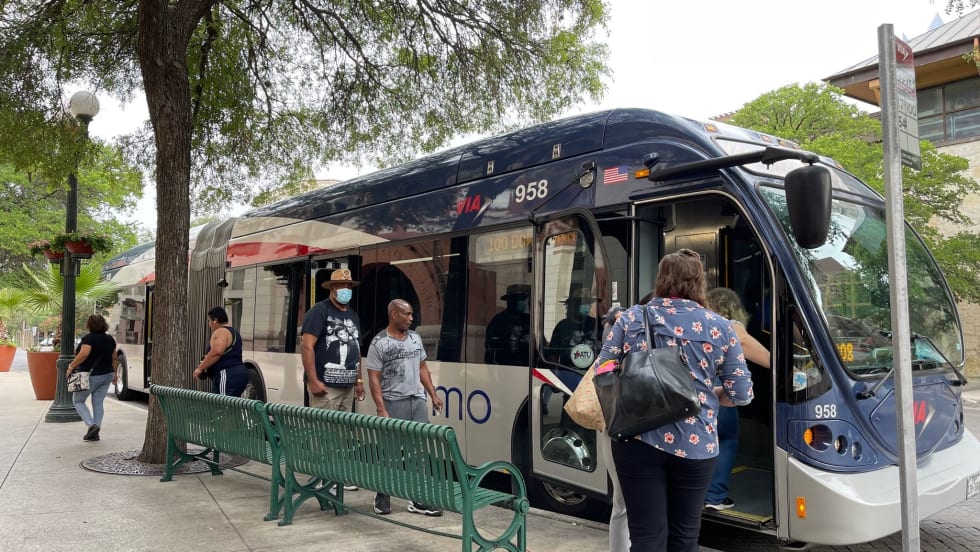
VIA Bus Ridership Grows 10.1% Through August 2026
San Antonio's VIA Metropolitan Transit reported the highest bus ridership growth among major Texas transit systems. Federal Transit Administration data ranked it second among the nation's 50 largest transit systems.
Read More →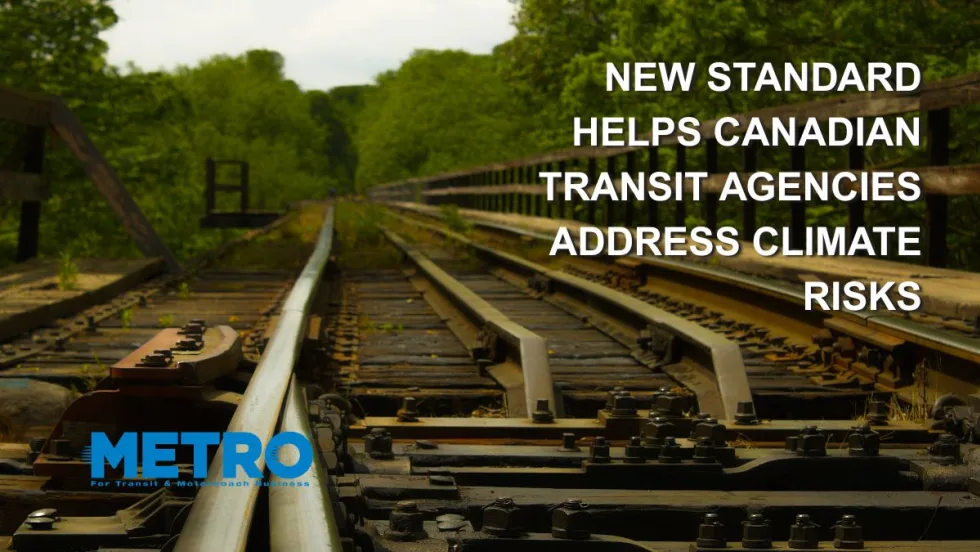
CSA Group Releases Climate Resilience Standard for Transit, Passenger Rail
Developed with support from the Standards Council of Canada, CSA D700 guides assessing climate-related risks and planning adaptation measures for transit and passenger rail systems.
Read More →
ETA CEO John Maglio on Transit Technology, Innovation, and Building Agency Trust
ETA founder and CEO John Maglio explores the evolution of transit technology, the importance of reliable systems, and how stronger partnerships can help agencies improve operations and the passenger experience.
Read More →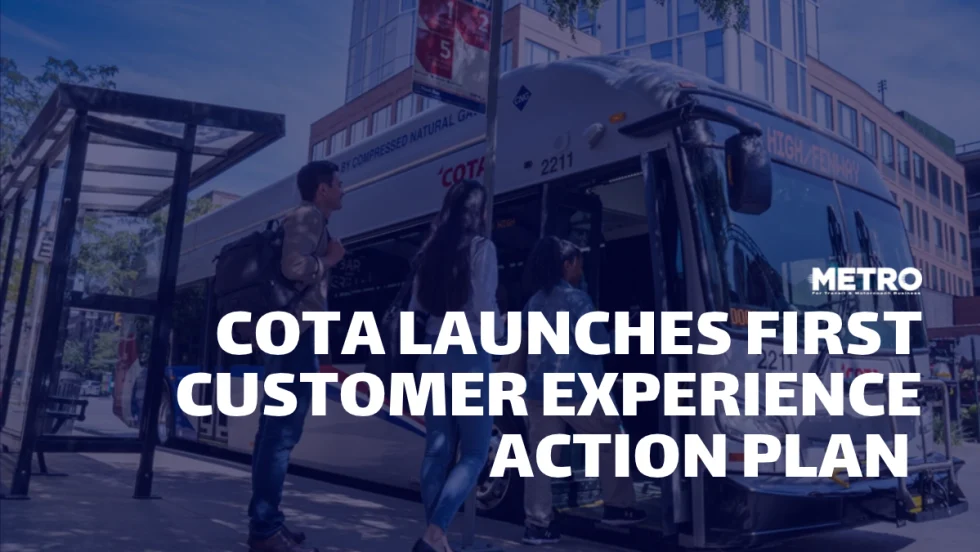
COTA Launches First Customer Experience Action Plan to Improve Transit Service
The new plan outlines improvements to service reliability, accessibility, communication, and the overall rider experience across Central Ohio's transit system.
Read More →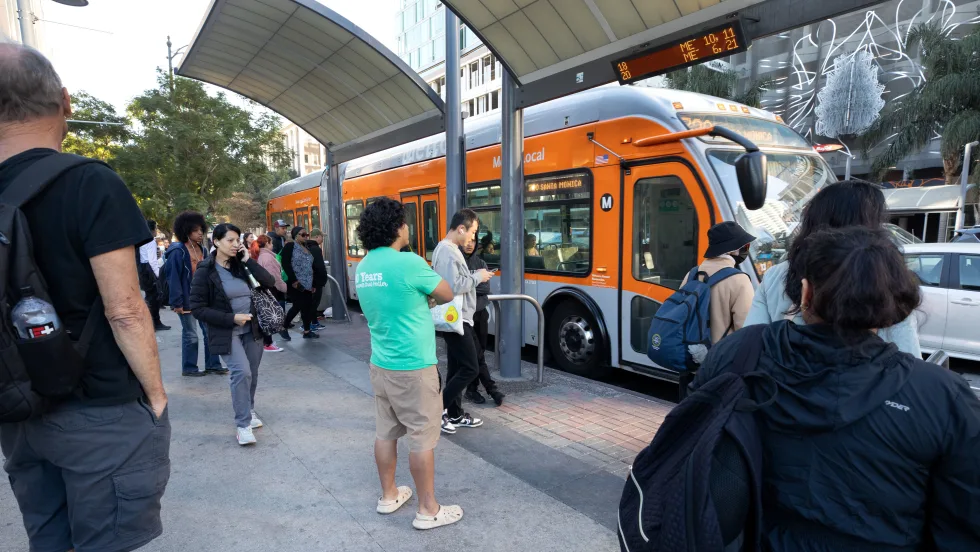
LA Metro September Ridership Climbs 3.9%, Led by Rail Growth
The agency recorded more than 27.2 million boardings, with rail ridership increasing 12.4% year over year and the D Line posting the largest gains.
Read More →