



FTA issues civil rights, environmental justice guidance
Will assist grant recipients in complying with Title VI of the Civil Rights Act of 1964, which prohibits discrimination on the basis of race, color or national origin, as well as guidance on incorporating environmental justice principles into transportation planning and decision-making.

The Federal Transit Administration (FTA) issued new guidance aimed at ensuring that the civil rights and environmental justice concerns of minority communities and others are protected in transportation planning and decision-making, including proposed changes to transit services, such as laying new tracks, planning a neighborhood bus route or adjusting fares.
The FTA issued new and revised guidance to assist grant recipients in complying with Title VI of the Civil Rights Act of 1964, which prohibits discrimination on the basis of race, color or national origin, as well as guidance on incorporating environmental justice principles into transportation planning and decision-making.
The first guidance document updates and revises FTA’s Title VI Circular to clarify what recipients must do to comply with DOT’s Title VI regulations, including careful evaluation of the impact of proposed service and fare changes on minority riders and ensuring that people with limited English proficiency have access to information they can understand.
The second guidance document is a new Environmental Justice Circular intended to ensure that FTA’s grantees avoid, minimize, or mitigate disproportionately high and adverse health and environmental effects on minority and low-income populations. The Circular states that it is critically important to involve these communities early in the planning and environmental review processes that determine which transit services and projects will ultimately serve them.
Together, these documents go a long way to provide greater guidance, accountability and transparency in how existing and future transit service is evaluated and communicated to the public and implemented on the ground. The new guidance is the result of an unprecedented level of FTA outreach that included public engagement sessions in Kansas City, Boston, Atlanta, Detroit and the San Francisco Bay area, as well as numerous Webinars.
Both the Title VI requirements and guidelines and environmental justice policy guidance are available here.
More Paratransit

Biz Briefs: RIPTA Unveils New Frontrunners, Clevland RTA Adds New Siemens, and More
In METRO's latest installment, we take a look at recent news from Siemens, Prevost, Dodge, and more partnerships making headlines across the transportation sector.
Read More →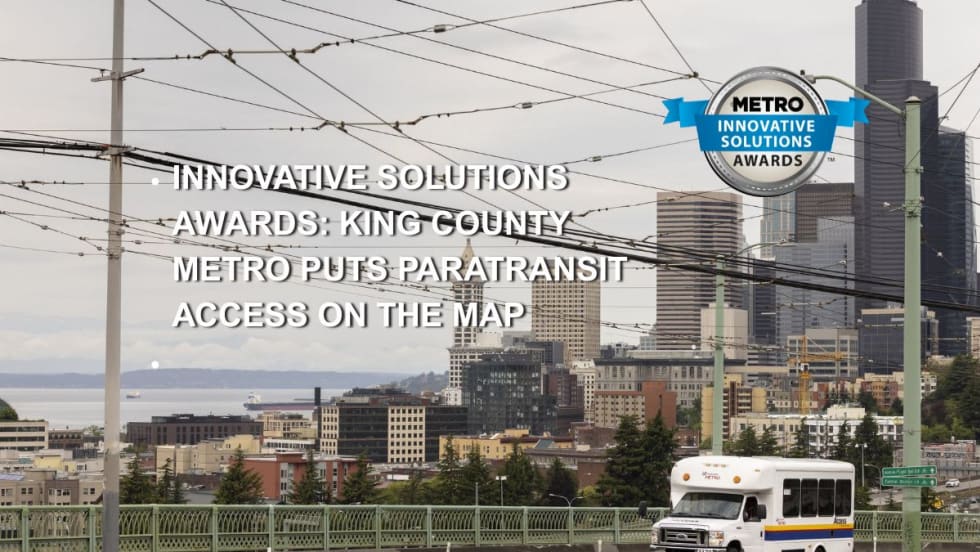
King County Metro Makes ADA Paratransit Easier to Navigate
METRO's Innovative Solutions Award winner replaces complex service-area descriptions with an accessible, interactive map that puts paratransit information directly in customers’ hands.
Read More →
Jacksonville’s NAVI Project Charts a New Course for Autonomous Public Transportation
Through its NAVI program, JTA is showing how autonomous vehicles, intelligent infrastructure, and coordinated operations can work together to deliver everyday public transportation.
Read More →
Driving Smarter Paratransit
John Hanlon shares how AlphaRoute is leveraging AI-powered technology to help paratransit providers optimize operations, support frontline staff, and enhance the rider experience.
Read More →
METRO Magazine Announces 2026 Innovative Solutions Awards Winners
Projects Recognized for Advancing Mobility Through Technology, Accessibility, Workforce Innovation, and Operational Excellence
Read More →
Biz Briefs: STV teams with Amtrak, Motorcoach Operators Boost Fleet and Land Contracts, and More
From manufacturers and suppliers to transit agencies and motorcoach operators, these updates offer a snapshot of the projects, partnerships and business moves driving the industry forward.
Read More →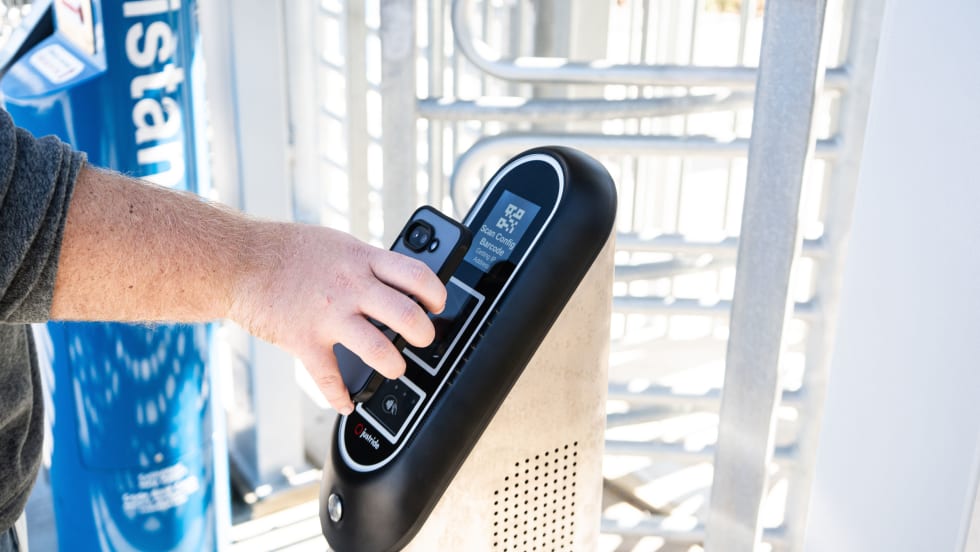
Biz Briefs: Masabi Teams with St. Louis Metro and More
In METRO's latest installment, we take a look at recent news from Transdev, Hitachi, and more partnerships making headlines across the transportation sector.
Read More →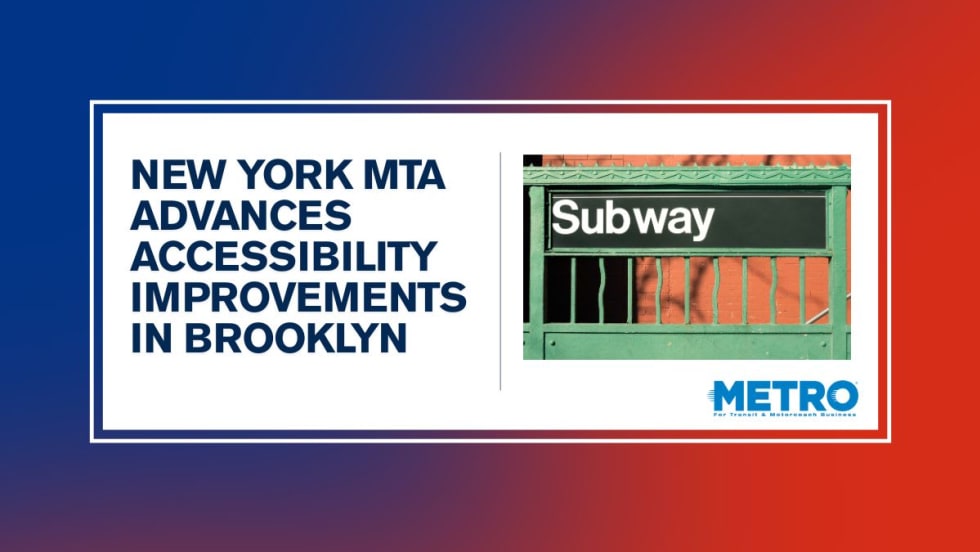
New York MTA Leverages Zoning Program to Advance Station Accessibility
Accessibility enhancements at Nevins St Station will be financed through a development agreement tied to the MTA's Zoning for Accessibility initiative.
Read More →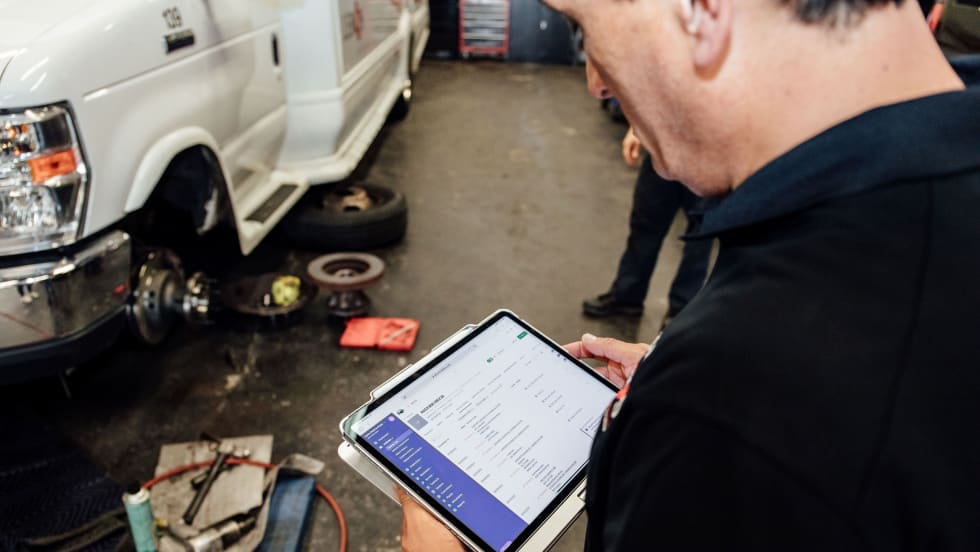
Reinventing Fleet Maintenance with Real-time Visibility and AI
Transit leaders need to know what needs fixing, where to look, who is responsible, when work is completed, and what it costs without having to chase information across disconnected systems.
Read More →
SamTrans Sets Priorities for Potential Connect Bay Area Revenue
The board-approved framework allocates future funding to maintaining service, rider improvements, equity initiatives, and infrastructure repairs.
Read More →