



FTA's Flowers testifies on D.C. Metro rail safety oversight progress
Through a comprehensive Safety Management Inspection, three Safety Directives, two immediate action letters, and ongoing inspection and investigation activity FTA safety oversight is requiring WMATA to take numerous positive actions to improve safety for passengers and workers.

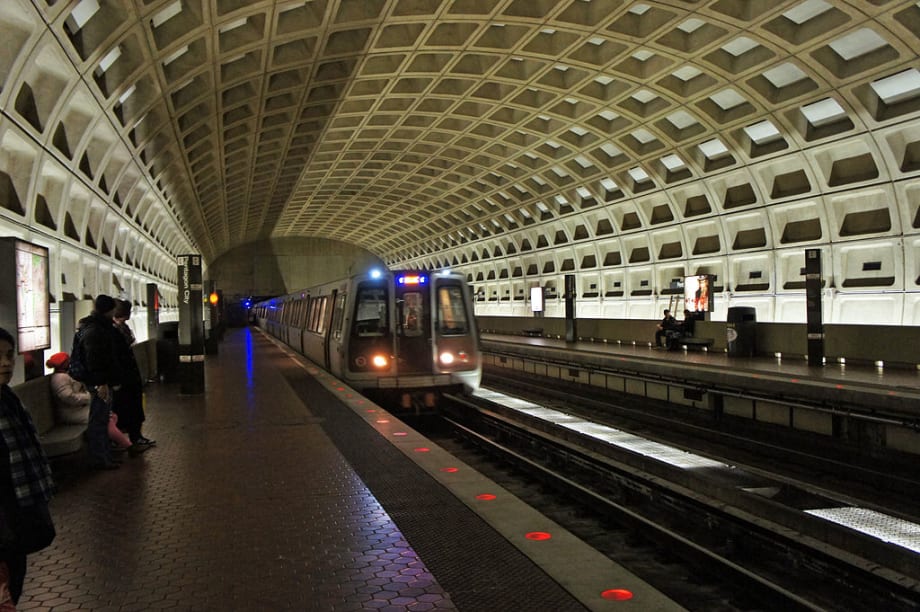
The Federal Transit Administration’s (FTA) temporary safety oversight of the Washington Metropolitan Area Transportation Authority (WMATA) Metrorail system is seeing initial results across the system, FTA Acting Administrator Carolyn Flowers told the U.S. House Transportation and Infrastructure Committee.
“FTA is providing robust direct safety oversight that is identifying problems while at the same time guiding WMATA to implement needed safety changes,” said Flowers. “For every positive safety action taken by WMATA, we must realize it has a long and difficult task ahead to instill the strong safety culture that is required for true and lasting change.”
Related: Foxx warns he can shut down D.C. subway
Through a comprehensive Safety Management Inspection, three Safety Directives, two immediate action letters, and ongoing inspection and investigation activity FTA safety oversight is requiring WMATA to take numerous positive actions to improve safety for passengers and workers. Among these FTA oversight activities are 91 specific corrective actions that WMATA must implement to improve the safety of its Metrorail and Metrobus systems. FTA-identified safety concerns where WMATA Metrorail has made improvements include:
Rail Operations Control Center: At FTA’s direction, WMATA has instituted policies to instill a new culture of safety in the control center by prohibiting use of cell phones and other electronic devices, reducing non-critical alarm noise and other distractions, and establishing new procedures to ensure effective shift transition briefings. And for the first time since 2012, all WMATA rail traffic controllers have completed annual certifications.
Smoke and Fire Events: WMATA’s SafeTrack plan gives first priority to FTA-identified track locations where urgent repairs are required to reduce the risk of smoke and fire events. WMATA also conducted system-wide infrared railcar testing of the third rail to identify traction power “hot spots” and reduced the maximum authorized speed and acceleration speed on three high-risk track segments. In addition, WMATA held a safety stand-down in response to FTA’s most recent safety directive with operating personnel and supervisors to discuss preventive inspection and maintenance requirements and how to manage smoke and fire emergencies if preventive efforts fail.
Fire and Life Safety: WMATA has corrected numerous instances of degraded fire and life safety equipment in tunnels that impact emergency passenger evacuations, including replacing burnt out light bulbs, recharging fire extinguishers and clearing walkways of debris.
Roadway Worker Protection: The last of nearly 2,000 employees with expired Right-of-Way Work Protection cards will be soon be retrained and certified. WMATA also held safety briefings for roadway workers, train operators, and rail traffic controllers to ensure they understand the rules that protect workers on the tracks.
“While FTA is ensuring that WMATA makes necessary safety improvements, WMATA needs to ensure it is properly managing and resourcing its corrective safety actions and building internal safety capacity and culture. We are encouraged that GM Paul Wiedefeld has proven a cooperative partner thus far,” stressed Flowers.
Related: FTA updates Congress on D.C. safety oversight
In October 2015, U.S. Transportation Secretary Anthony Foxx instructed FTA to assume direct and temporary safety oversight of WMATA Metrorail from the ineffective Tri-State Oversight Committee. FTA’s temporary role will continue only until Virginia, Maryland and the District of Columbia set up a new, fully-functioning State Safety Oversight Agency that FTA confirms complies with federal law — something the three jurisdictions have discussed since April 2010 and now say will not be done until 2017.
Flowers explained that WMATA is responsible for the safe operation of the Metrorail system, including the performance of daily inspections and preventative maintenance. FTA’s temporary role is to verify WMATA’s progress on implementing Corrective Action Plans and remedial actions, and to ensure that WMATA is effectively carrying out its own critical maintenance, operations and safety training programs.
Related: D.C. Metro fires 20 managers
From November 2015 through May 16, 2016, the FTA WMATA Safety Oversight team has conducted 170 inspections, identified 874 safety defects, closed 42 accident/incident investigation reports, and verified that WMATA has successfully implemented eight corrective action plans as it makes progress on dozens more.
Additionally, FTA is exercising its authority to direct WMATA’s use of Federal funds to prioritize safety projects and purposes, particularly in support of FTA required corrective actions, safety recommendations from the National Transportation Safety Board, and state of good repair infrastructure improvements, including third rail rehabilitation. For example, FTA is requiring that WMATA hold in reserve $20 million in Federal funds for urgent safety issues that may arise, rather than expending those funds on two non-safety related projects as WMATA originally requested.
More Rail

New York MTA Advances Final Contract for Second Avenue Subway Expansion
Contract Four is the largest in the Second Avenue Subway Phase 2 project and includes construction of station infrastructure, tracks, and signals for the subway expansion, MTA officials said. Work on Contract Four will begin in 2027.
Read More →
San Diego MTS Breaks Monthly Trolley Ridership Record
Agency officials said July’s ridership indicates MTS’s continued recovery from the pandemic.
Read More →
Report Examines NJ TRANSIT Reliability, Funding Challenges
The Garden State Initiative analysis examines the roles of Amtrak infrastructure, fleet management, and agency operations while recommending a more performance-based approach to improving reliability.
Read More →
Stadler, CapMetro Sign Long-Term Rail Fleet Support Agreement
Beginning in 2027, Stadler will provide on-site technical expertise, spare parts support, training, and obsolescence management to help extend the reliability and longevity of CapMetro’s GTW fleet.
Read More →
Biz Briefs: Alstom Lands Canadian Contract, LYT to Supply California TSP, and More
In METRO's latest installment, we take a look at recent news from Complete Coach Works, Beep, FlixBus, and more partnerships making headlines across the transportation sector.
Read More →
CATS Gold Line Marks 5 Years of Service, 2.8M Passenger Trips
With a six-mile expansion planned, the Charlotte streetcar is positioned to connect more neighborhoods and major transit hubs across the region.
Read More →
Why Simulating Pedestrian Movement Has Become Essential for Modern Rail Stations
Pedestrian microsimulation is helping rail planners identify bottlenecks, test station designs, and prepare complex transit hubs for growing passenger volumes.
Read More →
Amtrak Begins Major Construction at New York’s Sunnyside Yard
The new maintenance facility will support Amtrak’s Airo trainsets while improving maintenance efficiency and turnaround times in New York.
Read More →
Chicago Leaders Unveil Plans for O’Hare Airport Express Train
The privately developed project would offer a 15-minute trip between downtown and O’Hare’s Terminal 2, with trains operating every 15 minutes on a dedicated track. The service would use battery-electric trains and three existing freight rail rights-of-way.
Read More →
OCTA Maps Out 30-Year Strategy to Protect Coastal Rail Corridor
The draft feasibility report identifies strategies to protect the coastal rail line for decades as the agency continues near-term stabilization and sand placement efforts.
Read More →