



Grech Motors unveils new vehicle built on Ford 2017 F-550 chassis
Equipped with either a powerful 6.7-liter V8 turbo diesel engine or 6.8-liter V-10 gasoline engine, the new 2017 F-550 GM33 minicoach can seat up to 27 passengers as a shuttle with rear luggage.

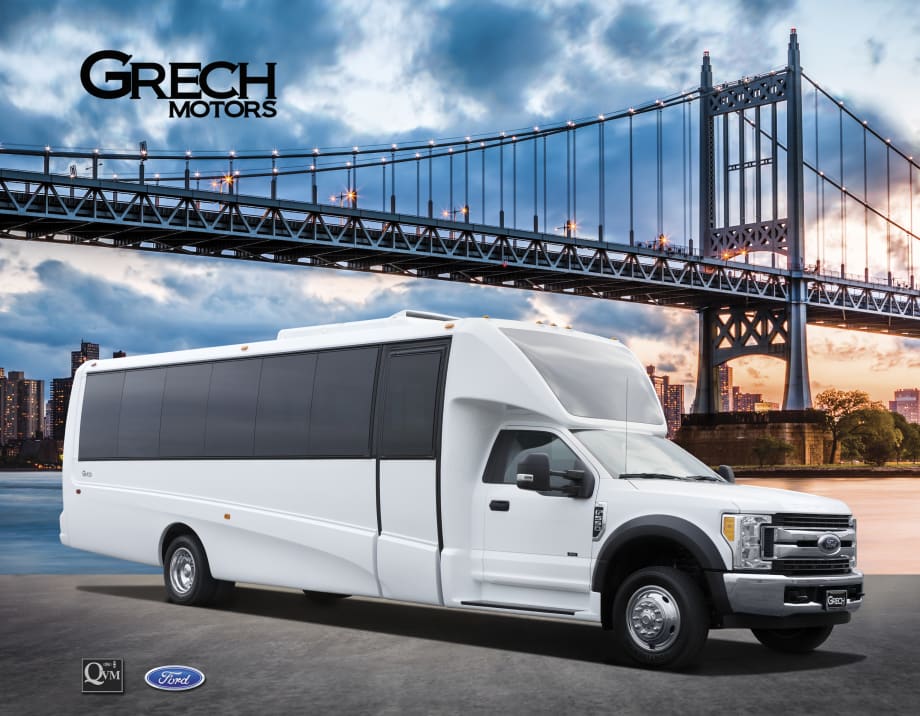
Photos courtesy Grech Motors
Photos courtesy Grech Motors
Grech Motors is the first coachbuilder to bring a 2017 Ford F-550 luxury bus to market with its new GM33 model. Equipped with either a powerful 6.7-liter V8 turbo diesel engine or 6.8-liter V-10 gasoline engine, the new 2017 F-550 GM33 minicoach can seat up to 27 passengers as a shuttle with rear luggage.
Grech's signature lines and elegant, modern design are complemented by the 2017 F-550’s new front cab, which features a sleeker, aerodynamic profile and redesigned grill. The bus features curb appeal and distinctive styling that enhances the travel experience for passengers while helping operators build luxury brands and grow their businesses.
Ford’s new 2017 F-550 chassis features an all-new fully boxed under-cab and C-channel aft-of-cab frame made of 95% high-strength steel with up to 10 cross-members (eight through-welded). Torsional rigidity is eight times greater than the previous design.
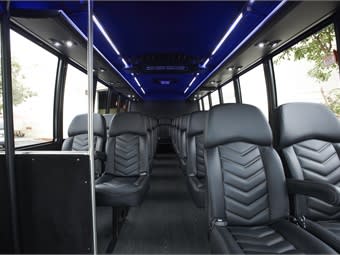
Connected to this new frame is a high-strength, military-grade, aluminum alloy body, which is lighter than the steel previously used yet is immensely strong. It’s also more dent-and ding-resistant and not subject to red rust corrosion. This complements Grech Motors’ riveted, aircraft-grade aluminum skin.
In addition to its stronger body and frame, the 2017 Ford F-550 chassis also features a suspension, brakes, driveline, transfer case, and axles that are larger and heftier for greater strength and capability. The components of the four-wheel anti-lock brakes feature the largest rotors in class, which increases their longevity and maximizes their stopping power.
More Bus
Biz Briefs: New Flyer Delivers in Columbus, Houston, Beep and Freebee Merge, and More
In this edition of Biz Briefs, we spotlight the latest developments shaping the future of mobility.
Read More →
People Movement: Dan Dipert Coaches Adds Third-Generation Leader, Keolis Names New Valley Metro VP/GM, and More
In this edition, we also cover recent appointments and announcements at the Wabtec, SilverRide, HNTB, and more, showcasing the individuals helping to shape the future of transportation.
Read More →
New York MTA Plans Largest Bus Fleet Upgrade in More Than a Decade
The agency is seeking manufacturers for 650 new CNG buses to replace aging vehicles, improve reliability, and advance its broader fleet modernization strategy.
Read More →
Building a Flexible Path to Transit Electrification
John Hroncich discusses BAE Systems’ modular and scalable approach, lessons learned from decades of real-world operations, and how agencies can identify electrification strategies that fit their fleets.
Read More →
Bus Tech Talk: Keeping Transit Technicians Ahead of the Technology Curve
LA Metro’s Obed Mejia discusses technician training, evolving maintenance technology, fleet replacement, and strategies for getting the most out of today’s transit fleets.
Read More →
Biz Briefs: RIPTA Unveils New Frontrunners, Clevland RTA Adds New Siemens, and More
In METRO's latest installment, we take a look at recent news from Siemens, Prevost, Dodge, and more partnerships making headlines across the transportation sector.
Read More →
People Movement: Holly Arnold Joins Transdev and More
In this edition, we also cover recent appointments and announcements at Pace, CamTran, MCI, and more, showcasing the individuals helping to shape the future of transportation.
Read More →
The High Cost of Transit Buses: Industry Leaders Look to Procurement Reform
Transit leaders and policymakers examine how standardized bus designs, streamlined procurement, and predictable funding could help agencies stretch budgets and deliver better service.
Read More →
The Business Voice Behind Public Transportation
As chair of APTA’s Business Members Board of Governors, Ray Melleady explains how more than 850 business members are partnering with transit agencies to advance funding, innovation, and industry-wide collaboration.
Read More →
From Surviving to Thriving: Building Stronger Transportation Organizations
Bus Business Consultants founder Brian Dickson shares lessons on leadership, organizational health, and creating options for long-term success in a changing transportation industry.
Read More →