




RELATED: Hyperloop One reveals vision for Dubai transport system
Hyperloop One mark's first successful full test of high-speed system
The vehicle coasted above the first portion of the track for 5.3 seconds using magnetic levitation and reached nearly 2Gs of acceleration, while achieving the Phase 1 target speed of 70mph.
July 14, 2017
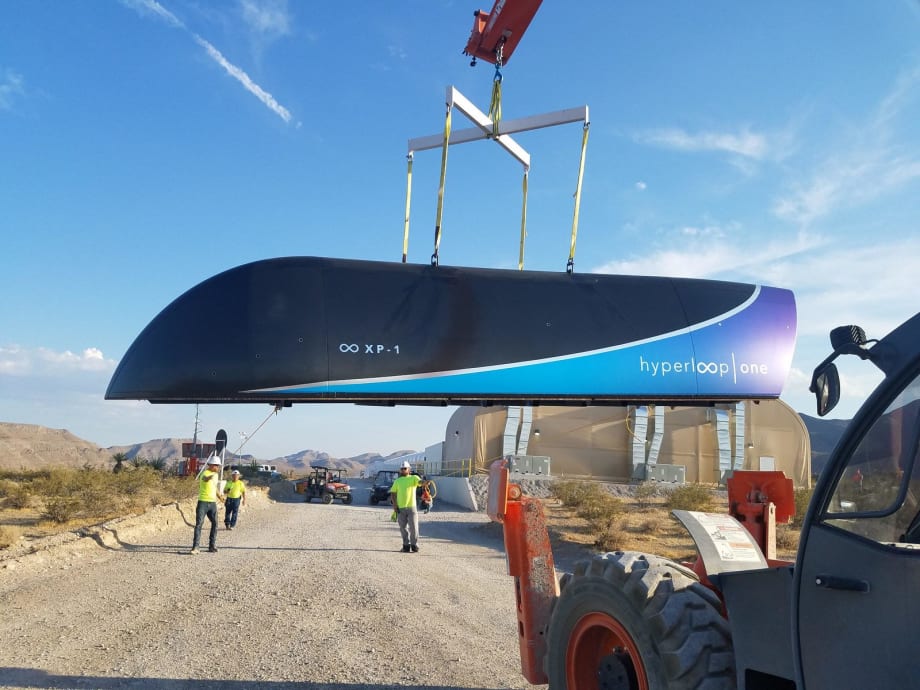
In addition to announcing the private test, Hyperloop One also unveiled the prototype of its Pod that will work within the integrated system. Photo: Hyperloop One
2 min to read

In addition to announcing the private test, Hyperloop One also unveiled the prototype of its Pod that will work within the integrated system. Photo: Hyperloop One
Hyperloop One announced the successful completion of the world's first full systems Hyperloop test in a vacuum environment. This test was Phase 1 of a multi-Phase program and was privately conducted on May 12, 2017 at the company's test track, "DevLoop," in the Nevada Desert.
The vehicle coasted above the first portion of the track for 5.3 seconds using magnetic levitation and reached nearly 2Gs of acceleration, while achieving the Phase 1 target speed of 70mph.
The company is now entering the next campaign of testing, which will target speeds of 250 mph.
"Hyperloop One has accomplished what no one has done before by successfully testing the first full scale Hyperloop system. By achieving full vacuum, we essentially invented our own sky in a tube, as if you're flying at 200,000 feet in the air," said Shervin Pishevar, co-founder/executive chairman of Hyperloop One.
In this historic moment, Hyperloop One tested all the system's components, including its highly efficient motor, vehicle suspension, magnetic levitation, electromagnetic braking, vacuum pumping system and more, proving the full system's components operate successfully as a single integrated unit in a vacuum. Nearly 200 engineers, fabricators, welders, etc. dedicated thousands of hours to make this test successful.

Using electromagnetic propulsion and magnetic levitation, the Pod will transport passengers and cargo inside the tube. Photo: Hyperloop One
In addition to announcing the private test, Hyperloop One also unveiled the prototype of its Pod that will work within the integrated system. Using electromagnetic propulsion and magnetic levitation, the Pod will transport passengers and cargo inside the tube. Hyperloop One's Pod is the only vehicle in the world that, with the company's proprietary linear electric motor, achieves autonomous high-speed propulsion and levitation in a controlled low-pressure environment. Made of structural aluminum and a lightweight carbon fiber, the shell measures 28 feet long.
Hyperloop One will continue to run tests at DevLoop in the coming months to validate its next-generation components and software. The next phase of testing will showcase the Pod gliding along a longer track at faster speeds.
"Hyperloop One will move people and things faster than at any other time in the world," continued Pishevar. "With Hyperloop One, the world will be cleaner, safer and faster. It's going to make the world a lot more efficient and will impact the ways our cities work, where we live and where we work. We'll be able to move between cities as if cities themselves are metro stops."
To view the historical test and never-before-seen b-roll from DevLoop, click here.
More Rail

The Business Voice Behind Public Transportation
As chair of APTA’s Business Members Board of Governors, Ray Melleady explains how more than 850 business members are partnering with transit agencies to advance funding, innovation, and industry-wide collaboration.
Read More →
FRA Announces $5.3B in Rail Investments, Including $2B for Amtrak
Funding will support grade-crossing improvements, infrastructure upgrades, and new Amtrak equipment in 23 states.
Read More →
Finding the ‘Happy Medium’: Optimizing Maintenance Without Sacrificing Reliability
The key to maintenance optimization isn’t doing less work—it’s doing the right work at the right time on the right assets.
Read More →
OKC Streetcar Makes Zero-Fare Service Permanent
Ridership increased an average of 71% compared with the same period a year earlier during the fare-free pilot.
Read More →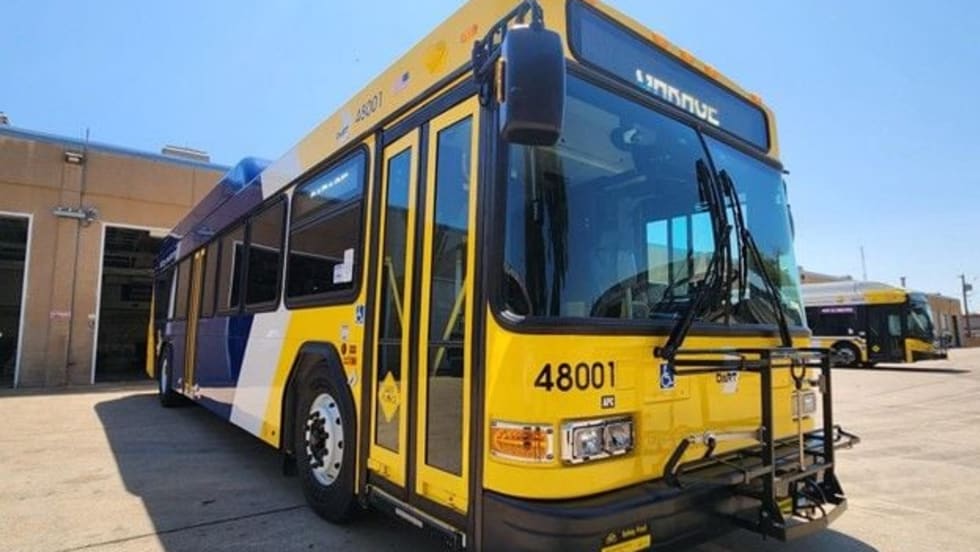
DART Customer Satisfaction Reaches Six-Year High
Overall satisfaction rose to 74.9%, while the agency’s Net Promoter Score reached a record 33.7.
Read More →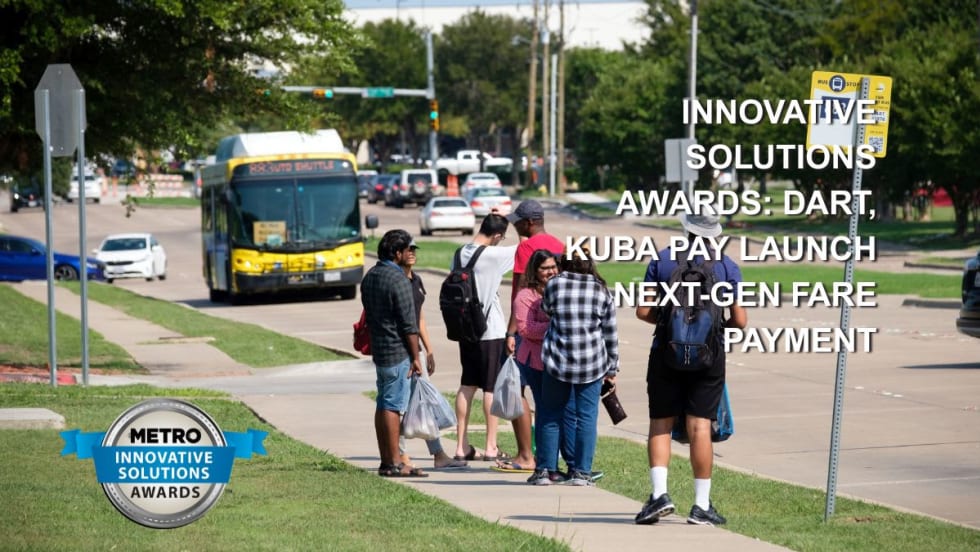
How DART's GoPass Is Redefining Regional Mobility
Serving 14 transit agencies, GoPass simplifies multimodal travel by allowing riders to plan, pay for, and manage an entire trip through one app.
Read More →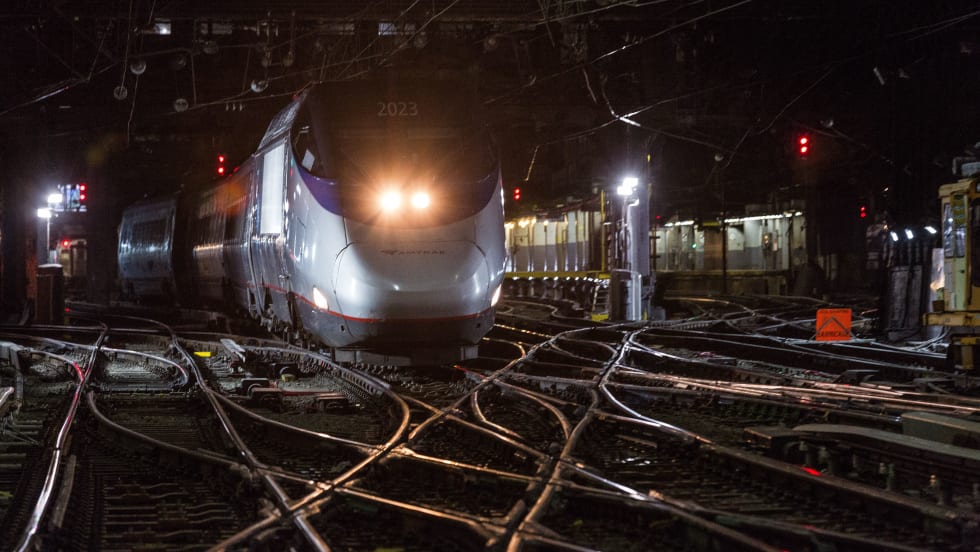
Amtrak Board Advances Plan to Restructure Organization, Seeks Public Input
The proposal, developed by Amtrak management and approved by the board for further consideration, is intended to modernize the organization's structure while improving accountability, operational efficiency, and customer service.
Read More →
Biz Briefs: STV teams with Amtrak, Motorcoach Operators Boost Fleet and Land Contracts, and More
From manufacturers and suppliers to transit agencies and motorcoach operators, these updates offer a snapshot of the projects, partnerships and business moves driving the industry forward.
Read More →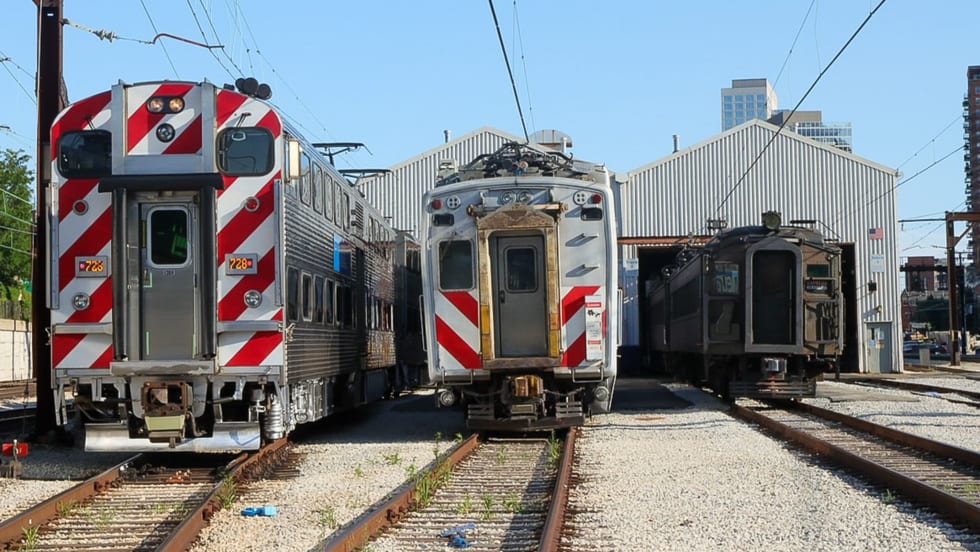
Metra Celebrates 100 Years of Electric Rail, Looks to the Future
The event was also a celebration of recent reforms to public transportation in the Chicago area, changes that could be as transformative in the future as the major civic achievement a century ago, said officials.
Read More →
LA Metro Marks Banner Year, Sets Ambitious Goals for New Fiscal Year
Incoming LA Metro Board Chair and Los Angeles Mayor Karen Bass joined outgoing Board Chair Fernando Dutra and LA Metro CEO Stephanie Wiggins to review accomplishments from fiscal year 2026, which included the opening of new rail extensions, advancement of major transit projects, expanded safety programs, and new rider amenities.
Read More →