



In-vehicle video could sharply reduce medium/heavy duty fatalities, study says
The study found that Lytx’s video-based driver safety program, DriveCam has the potential to dramatically save lives and reduce injuries.

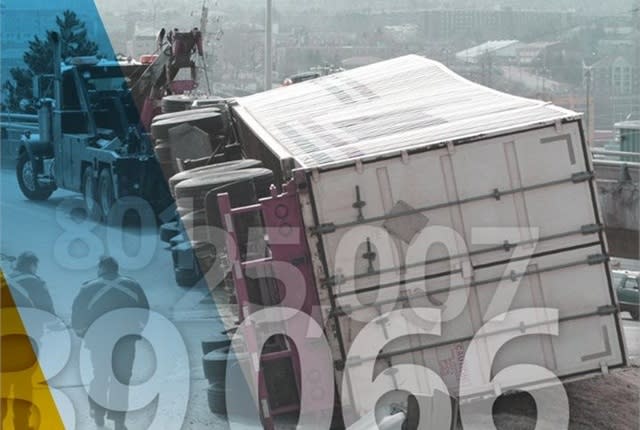
Image courtesy Lytx
Medium- and heavy-duty bus fleets using the in-vehicle video systems, such as DriveCam, could significantly reduce fatalities, collisions and injuries, according to a new study.
The study, conducted by The Virginia Tech Transportation Institute (VTTI), found that Lytx’s video-based driver safety program, DriveCam has the potential to dramatically save lives and reduce injuries.
| Potential Avg. | Percent of Total |
Lives Saved | 801 | 20% |
Collisions Prevented | 25,007 | 35% |
Injuries Prevented | 39,066 | 36% |
"If driver behavior is the primary reason for traffic crashes, then approaches that pinpoint and focus on reducing risky driving behavior are likely to be the most effective in reducing crashes," said Jeffrey Hickman, the study's author.
"Many drivers choose to behave in ways that put themselves and others at risk," said Hickman, the group leader for the Behavioral Analysis and Applications Group at the institute's Center for Truck and Bus Safety. "The most efficacious onboard safety monitoring systems use in-vehicle video technology to gather driving behaviors that can be addressed and corrected, thereby reducing future crash risk."
RELATED:Tapping Vehicle Technology to Make Good Fleets Great
For the study, Hickman reviewed data reported from the Federal Motor Carrier Safety Administration and the National Highway Traffic Safety Administration. Vehicles with a gross vehicle weight rating greater than 10,000 pounds, including Class 3 trucks and above, were included.
The study evaluated the potential safety benefits of equipping U.S. trucks and buses with Lytx's DriveCam system by using a large national crash database called the General Estimates System (GES). The GES database included information about the vehicle, injuries and fatalities, violations, and contributing factors for a sample of crashes during calendar years 2010 to 2012.
More Bus

New York MTA Plans Largest Bus Fleet Upgrade in More Than a Decade
The agency is seeking manufacturers for 650 new CNG buses to replace aging vehicles, improve reliability, and advance its broader fleet modernization strategy.
Read More →
Building a Flexible Path to Transit Electrification
John Hroncich discusses BAE Systems’ modular and scalable approach, lessons learned from decades of real-world operations, and how agencies can identify electrification strategies that fit their fleets.
Read More →
Bus Tech Talk: Keeping Transit Technicians Ahead of the Technology Curve
LA Metro’s Obed Mejia discusses technician training, evolving maintenance technology, fleet replacement, and strategies for getting the most out of today’s transit fleets.
Read More →
Biz Briefs: RIPTA Unveils New Frontrunners, Clevland RTA Adds New Siemens, and More
In METRO's latest installment, we take a look at recent news from Siemens, Prevost, Dodge, and more partnerships making headlines across the transportation sector.
Read More →
People Movement: Holly Arnold Joins Transdev and More
In this edition, we also cover recent appointments and announcements at Pace, CamTran, MCI, and more, showcasing the individuals helping to shape the future of transportation.
Read More →
The High Cost of Transit Buses: Industry Leaders Look to Procurement Reform
Transit leaders and policymakers examine how standardized bus designs, streamlined procurement, and predictable funding could help agencies stretch budgets and deliver better service.
Read More →
The Business Voice Behind Public Transportation
As chair of APTA’s Business Members Board of Governors, Ray Melleady explains how more than 850 business members are partnering with transit agencies to advance funding, innovation, and industry-wide collaboration.
Read More →
From Surviving to Thriving: Building Stronger Transportation Organizations
Bus Business Consultants founder Brian Dickson shares lessons on leadership, organizational health, and creating options for long-term success in a changing transportation industry.
Read More →
Finding the ‘Happy Medium’: Optimizing Maintenance Without Sacrificing Reliability
The key to maintenance optimization isn’t doing less work—it’s doing the right work at the right time on the right assets.
Read More →
LA Metro, City of West Hollywood, and Partners Advance Smarter Bus Lane Enforcement
The award-winning partnership combines AI-powered detection with human oversight to improve bus reliability, accessibility, and enforcement efficiency.
Read More →