




RELATED: Public Transportation Ballot Measures...What Works?
L.A. Metro report shares keys to success at ballot box
In Nov. 2016, Metro’s Measure M was approved by 71.15% of Los Angeles County voters, far exceeding the two-thirds approval needed.
May 30, 2018
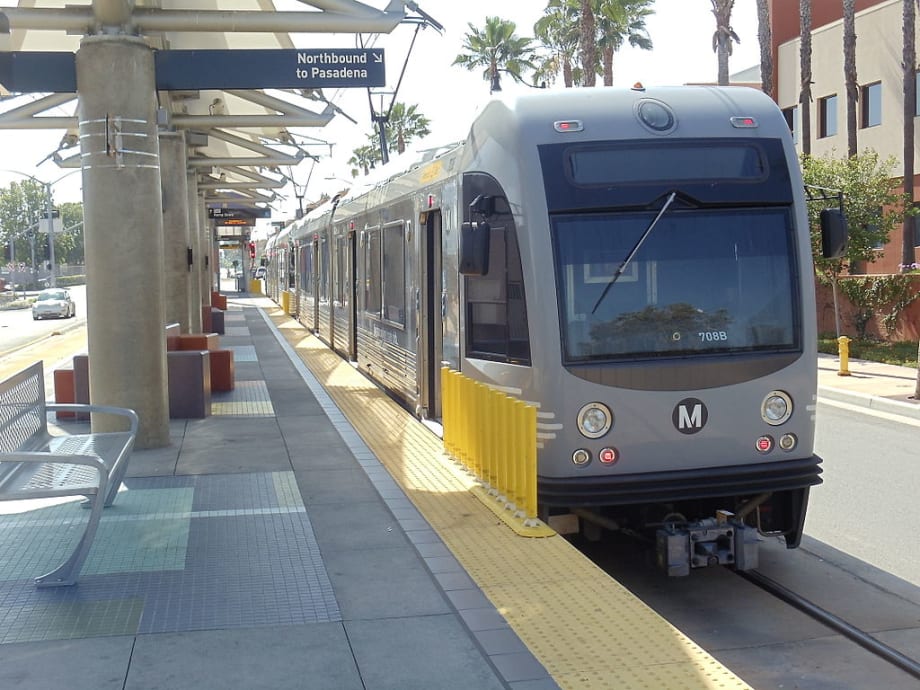
Under Measure M, 40 major road, transit, and walking/biking projects are slated to be built in the next 40 years.
LA Metro
2 min to read
Under Measure M, 40 major road, transit, and walking/biking projects are slated to be built in the next 40 years.
LA Metro
The Los Angeles County Metropolitan Transportation Authority (Metro) released a new report, titled “How to Pass a Mega Transportation Measure,” to provide lessons learned to transportation agencies and other stakeholders considering pursuit of a ballot measure to increase local transportation funding.
In Nov. 2016, Metro’s Measure M was approved by 71.15% of Los Angeles County voters, far exceeding the two-thirds approval needed. Measure M included a new half-cent sales tax and eliminated a sunset provision for the Measure R sales tax approved in 2008, creating a perpetual source of funding for mobility improvements across Los Angeles County.
Under Measure M, 40 major road, transit, and walking/biking projects are slated to be built in the next 40 years. Work is underway to accelerate many of those projects, so they are completed by the 2028 Summer Olympics and Paralympics to be held in the L.A. region. Measure M also includes funds that are returned directly to local cities for their own transportation projects and annual funding for State of Good Repair projects to ensure infrastructure is maintained.
“Public transportation is a powerful way to create prosperity, connect with the people and places we love, and build a more sustainable future,” said Metro Board Chair and L.A. Mayor Eric Garcetti. “Measure M is a blueprint for how communities everywhere can shape the future with lasting investments in improved infrastructure, better mobility, and good jobs.”
The new lessons learned report documents the three-year process of developing and building support for Measure M. It attributes the success of Measure M to many efforts, but emphasizes some major factors:
Creating a bottom up process that engaged all cities in L.A. County.
Conducting frequent polling and surveying of the public to determine their needs and shape messaging.
Using performance-based metrics to prioritize projects.
Implementing a robust education program with powerful stories about the need to improve transportation.
“It’s important to share our experience with the industry — what went right, what would we do differently — to help agencies succeed with their own ballot measures,” said Metro CEO Phillip A. Washington. “Anything others can learn from our success is good for the nation as we collectively work toward leaving an infrastructure inheritance for our kids and grandkids.”
The report was researched and written by Joel Epstein, a local writer and consultant. He interviewed more than 70 Metro employees, Board Members, stakeholders, and advocates as part of the research for the report.
More Management

METRO Opens Submissions for 2026 Motorcoach Awards
Nominations are now being accepted for METRO Magazine’s Operator of the Year and Innovative Operator of the Year awards.
Read More →
New York MTA Advances Final Contract for Second Avenue Subway Expansion
Contract Four is the largest in the Second Avenue Subway Phase 2 project and includes construction of station infrastructure, tracks, and signals for the subway expansion, MTA officials said. Work on Contract Four will begin in 2027.
Read More →
Transit Agencies Highlight Safety Gains at National Summit
Leaders from 15 major transit systems shared crime-reduction results and safety initiatives while discussing the role of continued federal support.
Read More →

NITA Names New Leadership, Expands Reduced-Fare Program at First Board Meeting
The new regional transit authority appointed its first board chair and interim executive director while extending reduced fares across CTA, Metra, and Pace for eligible riders.
Read More →
Beyond the Checklist: A Structured Approach to Transit Maintenance
Reliability-Centered Maintenance helps transit agencies move beyond routine checklists to focus limited resources on the assets and failures that have the greatest impact on safety, reliability, and service.
Read More →
APTA 2026 Nominating Committee Selects Leadership Slate, Names Chair and Vice Chair Nominees
Leadership changes will help shape the association’s priorities and its representation of the transportation industry during the 2026–2027 term.
Read More →
DART Launches Major Security, Fare Enforcement Initiative
The 90-day demonstration will deploy coordinated security teams at five light rail stations while testing controlled access and gathering data to guide future investments.
Read More →
Sponsored•September 9, 2026
Advancing Fare Collection Through Technology and Innovation
Learn about delivering 1300 gates at 91 stations while managing fare evasion. Explore the large scale deployment, solution customization and real-world results that affect the region. Prepare for deployment in your region now.
Read More →
Game Day in Motion: Moving Millions During the 2026 World Cup
Between packed transit stations and team motorcoaches, see how agencies and operators across North America tackled the transportation demands of the 2026 FIFA World Cup.
Read More →
Surface Transportation Extension Averts Shutdown, Leaves Transit Funding Gap
The stopgap keeps federal transportation programs moving, but missing advance funding could complicate the transit and rail projects agencies are planning next.
Read More →