




Related: L.A. Metro unveils $120B plan to transform transportation
LA Metro: Measure R sales tax adding 400K jobs, $80B to economy
Transit projects, including construction of rail lines, subway extensions and building bus rapid transit lanes, will generate $40.1 billion in total combined labor income and business revenues for the Southern California regional economy.
April 20, 2016
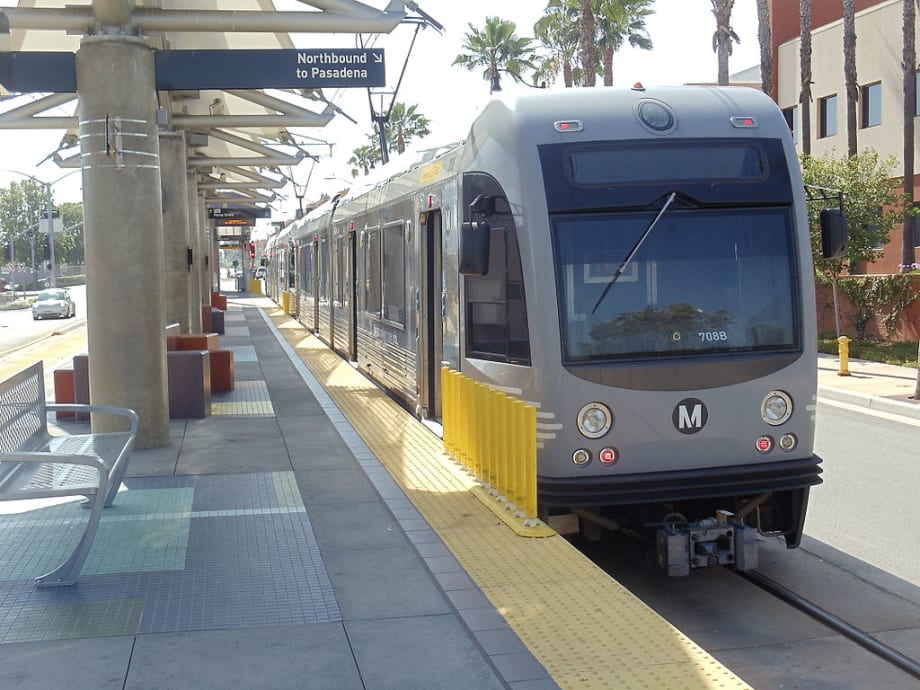
The Gold Line, which launched earlier this year, was funded by Measure R, the half-cent sales tax measure approved by the voters of LA County in 2008.
2 min to read
The Gold Line, which launched earlier this year, was funded by Measure R, the half-cent sales tax measure approved by the voters of LA County in 2008.
An updated estimate on the economic impacts of Measure R, the voter-approved half-cent sales tax, projects the initiative will contribute 426,980 jobs and $80.7 billion in economic output and $27.1 billion in labor income across the five-county Southern California region over the 30-year life of the tax measure, the Los Angeles County Metropolitan Transportation Authority (Metro) said.
The projections were included in a Metro-commissioned study by the Los Angeles County Economic Development Corporation and included in Los Angeles Mayor Eric Garcetti’s annual State of the City address.
“As Measure R projects are built and budgets are updated, estimates of the economic impacts must be updated as well,” said Metro Board Chair and Los Angeles County Supervisor Mark Ridley-Thomas. “The latest updates show that Measure R is fueling L.A. County’s economic engine.”
Measure R was passed by nearly 68% of Los Angeles County voters in 2008. The initiative named a mix of highway and transit projects designed to improve transportation and ease traffic. Total spending on proposed transportation projects over 30 years will be at least $51.1 billion.
The combined labor income and business revenues are estimated to be $67.7 billion for highway and freeway projects. The projects include new roadways, expanding road capacity, construction of bridges and underpasses to separate road and railroad tracks and new sound walls. The total number of jobs related to these projects will be 253,100.
Transit projects, including construction of rail lines, subway extensions and building bus rapid transit lanes, will generate $40.1 billion in total combined labor income and business revenues for the Southern California regional economy. The projects will create 173,880 total jobs.
In addition, the economic activity generated by the projects over the 30-year construction period will generate at least $9 billion in state, local and federal tax revenues.
More Management

LIT Marks 10-Year Milestone at Annual Summit
Hosted by the COTA from September 10 to 13, the Summit carried the theme “Celebrating 10 Years of Excellence, Leadership, and Impact,” with every part of the program honoring the people, agencies, and partners who built LIT over its first decade.
Read More →
People Movement: Dan Dipert Coaches Adds Third-Generation Leader, Keolis Names New Valley Metro VP/GM, and More
In this edition, we also cover recent appointments and announcements at the Wabtec, SilverRide, HNTB, and more, showcasing the individuals helping to shape the future of transportation.
Read More →
METRO Opens Submissions for 2026 Motorcoach Awards
Nominations are now being accepted for METRO Magazine’s Operator of the Year and Innovative Operator of the Year awards.
Read More →

New York MTA Advances Final Contract for Second Avenue Subway Expansion
Contract Four is the largest in the Second Avenue Subway Phase 2 project and includes construction of station infrastructure, tracks, and signals for the subway expansion, MTA officials said. Work on Contract Four will begin in 2027.
Read More →
Transit Agencies Highlight Safety Gains at National Summit
Leaders from 15 major transit systems shared crime-reduction results and safety initiatives while discussing the role of continued federal support.
Read More →
NITA Names New Leadership, Expands Reduced-Fare Program at First Board Meeting
The new regional transit authority appointed its first board chair and interim executive director while extending reduced fares across CTA, Metra, and Pace for eligible riders.
Read More →
Beyond the Checklist: A Structured Approach to Transit Maintenance
Reliability-Centered Maintenance helps transit agencies move beyond routine checklists to focus limited resources on the assets and failures that have the greatest impact on safety, reliability, and service.
Read More →
APTA 2026 Nominating Committee Selects Leadership Slate, Names Chair and Vice Chair Nominees
Leadership changes will help shape the association’s priorities and its representation of the transportation industry during the 2026–2027 term.
Read More →
DART Launches Major Security, Fare Enforcement Initiative
The 90-day demonstration will deploy coordinated security teams at five light rail stations while testing controlled access and gathering data to guide future investments.
Read More →
Sponsored•September 9, 2026
Advancing Fare Collection Through Technology and Innovation
Learn about delivering 1300 gates at 91 stations while managing fare evasion. Explore the large scale deployment, solution customization and real-world results that affect the region. Prepare for deployment in your region now.
Read More →