




RELATED: L.A. Metro report shares keys to success at ballot box
MARTA board approves historic transit expansion
The More MARTA Atlanta program will be partially funded by approximately $2.7 billion generated by a half-penny sales tax.
October 9, 2018
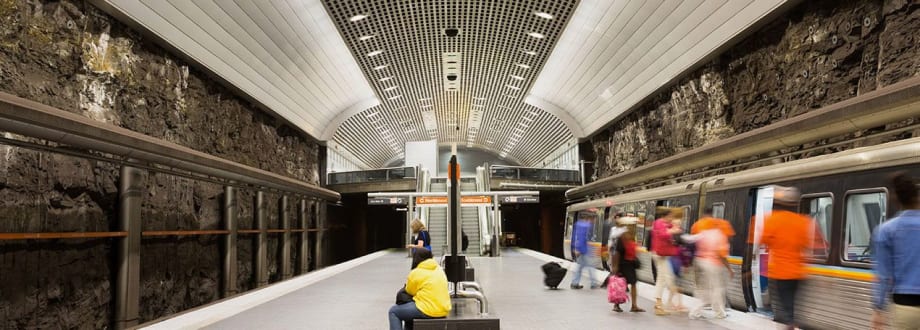
The More MARTA Atlanta program, which will be partially funded by approximately $2.7 billion generated by a half-penny sales tax, includes plans to upgrade existing rail stations. Photo: MARTA
2 min to read

The More MARTA Atlanta program, which will be partially funded by approximately $2.7 billion generated by a half-penny sales tax, includes plans to upgrade existing rail stations. Photo: MARTA
The Metropolitan Atlanta Rapid Transit Authority’s (MARTA) Board of Directors made history by unanimously approving the More MARTA Atlanta program, which represents the region’s largest transit investment in more than four decades.
The More MARTA Atlanta program will be partially funded by approximately $2.7 billion generated by a half-penny sales tax approved by city voters in 2016. Additional public and private funding will be sought to advance and expand key aspects of the program.
“Think of this as a major and transformational down payment on our future commitment to the city and to the region,” said MARTA GM/CEO Jeffrey Parker. “This is an important milestone, but it’s not the finish line.”
A two-year examination of technical data, performance measurements, and community surveys, led to a 17-project program that calls for 22 miles of light-rail transit (LRT), 14 miles of bus rapid transit (BRT), 26 miles of arterial rapid transit (ART), two new transit centers, additional fixed-route bus service, and upgrades to existing rail stations. Residents were most supportive of transit investments along the BeltLine, in the Clifton Corridor, and on Campbellton Road.
Next steps include developing costs and schedules associated with individual projects and beginning the process of securing additional funding. MARTA will also work to educate riders on various programs in the months ahead. More easily implemented projects, such as expanded bus service, have already begun.
For more details on the More MARTA program, including a map and breakdown of projects, visit https://www.itsmarta.com/moremarta.aspx.
More Management

FTA Ends Direct Oversight of MBTA Safety Actions
The federal agency closed its remaining special directive to the Massachusetts Department of Public Utilities following a safety review that began in 2022.
Read More →
Report: Transit Bus Manufacturing Supports 34,100 Jobs, $5.1B in GDP
The “Buses Mean Business” report examines the transit bus manufacturing industry’s economic footprint, supply chain, and rising demand for vehicle replacements.
Read More →
LIT Marks 10-Year Milestone at Annual Summit
Hosted by the COTA from September 10 to 13, the Summit carried the theme “Celebrating 10 Years of Excellence, Leadership, and Impact,” with every part of the program honoring the people, agencies, and partners who built LIT over its first decade.
Read More →

People Movement: Dan Dipert Coaches Adds Third-Generation Leader, Keolis Names New Valley Metro VP/GM, and More
In this edition, we also cover recent appointments and announcements at the Wabtec, SilverRide, HNTB, and more, showcasing the individuals helping to shape the future of transportation.
Read More →
METRO Opens Submissions for 2026 Motorcoach Awards
Nominations are now being accepted for METRO Magazine’s Operator of the Year and Innovative Operator of the Year awards.
Read More →
New York MTA Advances Final Contract for Second Avenue Subway Expansion
Contract Four is the largest in the Second Avenue Subway Phase 2 project and includes construction of station infrastructure, tracks, and signals for the subway expansion, MTA officials said. Work on Contract Four will begin in 2027.
Read More →
Transit Agencies Highlight Safety Gains at National Summit
Leaders from 15 major transit systems shared crime-reduction results and safety initiatives while discussing the role of continued federal support.
Read More →
NITA Names New Leadership, Expands Reduced-Fare Program at First Board Meeting
The new regional transit authority appointed its first board chair and interim executive director while extending reduced fares across CTA, Metra, and Pace for eligible riders.
Read More →
Beyond the Checklist: A Structured Approach to Transit Maintenance
Reliability-Centered Maintenance helps transit agencies move beyond routine checklists to focus limited resources on the assets and failures that have the greatest impact on safety, reliability, and service.
Read More →
APTA 2026 Nominating Committee Selects Leadership Slate, Names Chair and Vice Chair Nominees
Leadership changes will help shape the association’s priorities and its representation of the transportation industry during the 2026–2027 term.
Read More →