



MBCR conductors go mobile
Unique technology, developed by Massachusetts-based mobile firm Raizlabs, will feed real-time service information into the palm of a conductor’s hand as the application’s satellite function will show the speed, exact location and track assignment of every train on the commuter rail system.

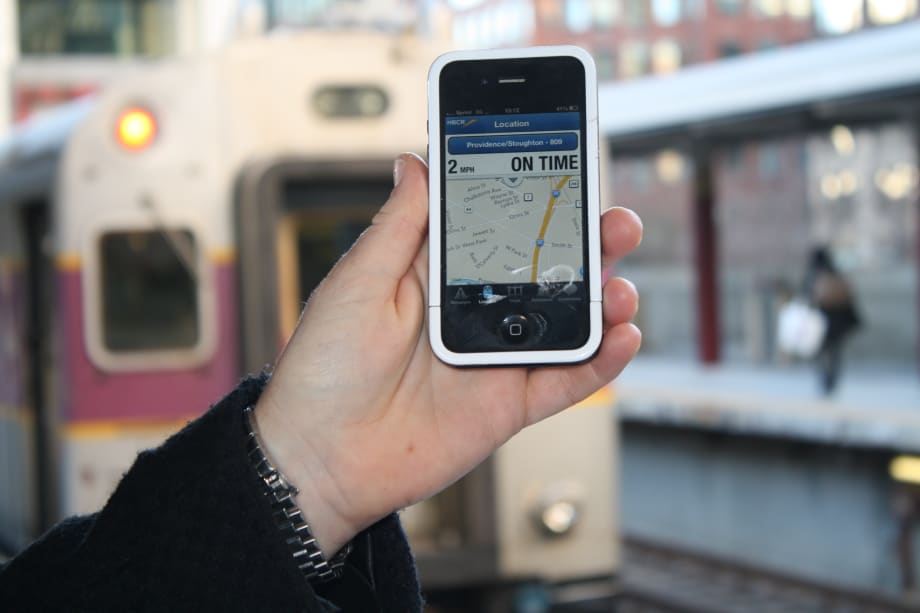
The Massachusetts Bay Commuter Railroad Co. (MBCR) launched the “Conductor Companion” pilot program. MBCR developed the concept for this unique mobile device application, which will allow conductors on the MBTA commuter rail system to receive real-time information about service for the first time.
MBCR, which fully funded the “Conductor Companion” program, will provide 24 conductors (12 working on service traveling to and from North Station and 12 working trains traveling to and from South Station) with specialized mobile devices (modified iPhones) that are programmed with MBCR’s “Conductor Companion” application.
This unique technology, developed by Massachusetts based mobile firm Raizlabs, will feed real-time service information into the palm of a conductor’s hand as the application’s satellite function will show the speed, exact location and track assignment of every train on the commuter rail system.
The pilot program, which will run for 90 days, will allow both conductors and riders to provide feedback to MBCR about their experience with the specialized devices and application. MBCR intends to unveil “Conductor Companion” for more than 200 other conductors later in the year.
“The ‘Conductor Companion’ program leverages the power of mobile technology and will improve the quality of information that our customers receive," said MBCR GM Hugh Kiley. “MBCR crews will now be able to better communicate delays, service interruptions and other information directly to customers as events unfold.”
The “Conductor Companion” was designed to comply with Federal Railroad Administration (FRA) regulations and MBTA policies that prohibit the use of mobile telecommunication (cell phone, text, email) during work shifts by personnel who work in safety sensitive positions while ensuring the ability of conductors to access important information about the service.
All Conductor Companion devices are designed without traditional cellular, text message and email functions. Emergency communication (911) is the only available outbound communication function on each device.
In addition to the unique real-time “Conductor Companion” application, the device also stores FRA regulations, operating procedure manuals, and other directives. These documents, which conductors must carry with them on all train service assignments under federal rules, typically are stored in binders that contain several hundred pages.
More Rail
Amtrak, CN Reach Agreements to Strengthen Passenger Rail Service, Safety
The agreement resolves a more than decade-long proceeding before the Surface Transportation Board concerning the terms and conditions for Amtrak services, such as the City of New Orleans, Illini/Saluki, and Wolverine.
Read More →
New York MTA Advances Final Contract for Second Avenue Subway Expansion
Contract Four is the largest in the Second Avenue Subway Phase 2 project and includes construction of station infrastructure, tracks, and signals for the subway expansion, MTA officials said. Work on Contract Four will begin in 2027.
Read More →
San Diego MTS Breaks Monthly Trolley Ridership Record
Agency officials said July’s ridership indicates MTS’s continued recovery from the pandemic.
Read More →
Report Examines NJ TRANSIT Reliability, Funding Challenges
The Garden State Initiative analysis examines the roles of Amtrak infrastructure, fleet management, and agency operations while recommending a more performance-based approach to improving reliability.
Read More →
Stadler, CapMetro Sign Long-Term Rail Fleet Support Agreement
Beginning in 2027, Stadler will provide on-site technical expertise, spare parts support, training, and obsolescence management to help extend the reliability and longevity of CapMetro’s GTW fleet.
Read More →
Biz Briefs: Alstom Lands Canadian Contract, LYT to Supply California TSP, and More
In METRO's latest installment, we take a look at recent news from Complete Coach Works, Beep, FlixBus, and more partnerships making headlines across the transportation sector.
Read More →
CATS Gold Line Marks 5 Years of Service, 2.8M Passenger Trips
With a six-mile expansion planned, the Charlotte streetcar is positioned to connect more neighborhoods and major transit hubs across the region.
Read More →
Why Simulating Pedestrian Movement Has Become Essential for Modern Rail Stations
Pedestrian microsimulation is helping rail planners identify bottlenecks, test station designs, and prepare complex transit hubs for growing passenger volumes.
Read More →
Amtrak Begins Major Construction at New York’s Sunnyside Yard
The new maintenance facility will support Amtrak’s Airo trainsets while improving maintenance efficiency and turnaround times in New York.
Read More →
Chicago Leaders Unveil Plans for O’Hare Airport Express Train
The privately developed project would offer a 15-minute trip between downtown and O’Hare’s Terminal 2, with trains operating every 15 minutes on a dedicated track. The service would use battery-electric trains and three existing freight rail rights-of-way.
Read More →