



Melaniphy talks 'broadening footprint,' EXPO
It is nearly three years to the day that the Michael Melaniphy took on the role as president/CEO of APTA. Read on to find out his thoughts on federal funding, future initiatives and what he’s looking forward to at the EXPO.

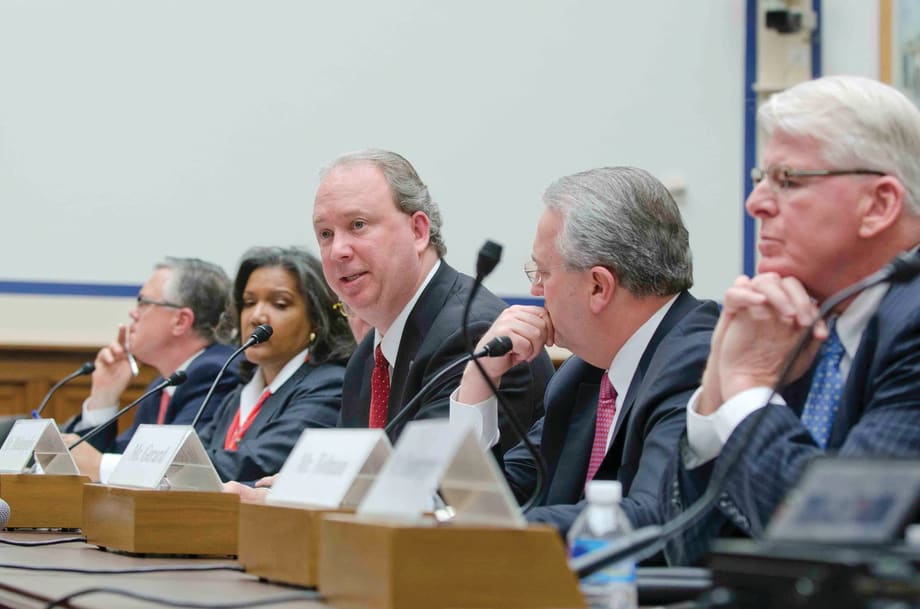
Melaniphy says he would like to advance APTA’s position as a thought leader and put greater focus on workforce development to prepare the industry for the challenges that lie ahead.
Melaniphy says he would like to advance APTA’s position as a thought leader and put greater focus on workforce development to prepare the industry for the challenges that lie ahead.
It is nearly three years to the day that the Michael Melaniphy took on the role as president/CEO of APTA. Read on to find out his thoughts on federal funding, future initiatives and what he’s looking forward to at the EXPO.
METRO: According to APTA’s latest report, ridership is continuing its growth; discuss some of the factors for public transportation’s popularity?
Michael Melaniphy: Last year 10.7 billion trips were taken on public transportation in the U.S. — the highest number recorded in 57 years. This ridership momentum is continuing as more than 2.7 billion trips were taken in the second quarter of 2014, a 1.1 percent increase over the same quarter last year, representing an increase of 30 million more trips. The federal investment in public transit is paying off and some agencies with new lines have experienced record ridership.
People want transportation options and public transit can help an individual save money, too. Gas prices were higher than the year before, and we have seen that when gas prices are high, more people turn to public transit. Given that nearly 60 percent of the trips taken on public transit are for work commutes, it’s not surprising to see that in some cities where the economy has improved and new jobs have been added, public transit ridership has increased.
Demographics are also changing. Both Millennials and Baby Boomers are re-populating our central cities. They are in search of lifestyles that focus less on auto travel and more on a quality of life that is enhanced through more walkable communities with transportation options.
What sorts of things do you think will be important for the industry to do in order to capitalize and maintain that growth?
First, the general public have already demonstrated that they see public transportation as an essential part of an overall transportation system that makes communities run more efficient and effectively. Many political leaders have embraced this truism as well. Second, unlike most municipal services, the travel patterns in many communities involve crossing geo-political boundaries each day. Our public transit systems need to reflect these evolving travel patterns and examine the need to expand their planning, funding, operations and even governance on a more regional scale where it makes sense. In order to fully realize the benefits of public transportation investments, we need to speak the language of developers and land use, healthy cities, economic development, global competitiveness and innovative finance. Finally, public transportation needs to continue to embrace new technologies that remove barriers and facilitate seamless multimodal access to public transit options for everyone.
Discuss some of the issues facing the industry, including the uncertainty of federal funding as the expiration of MAP-21 approaches?
As Phil Washington, the new APTA Chair says, ‘In the three-legged financing stool, passengers are paying their part, local communities are stepping up their dollars, and the federal government is the wobbly leg.’ Long-term, dedicated financial investment is critical to advancing partnerships that facilitate good public transportation, which will help ensure our nation’s global competitiveness.
Federal investment is also needed so we can maintain a laser focus on providing the safety and security measures needed for our riders and employees everywhere, every day, no matter. These critical investment needs are not just in fixed assets and rolling stock, they must also be in our people, research, training and standards. It is imperative that we retain, recruit, and train our workforce to meet the expanding demands of safety, security, growth and technology. These advancements come as direct result of research and the development of new standards, areas that are underfunded in the current environment. As we all know, we can’t plan for the future and meet the growing demand for public transit if federal funding remains uncertain.
It is nearly three years to the day since you took over as President/CEO at APTA, discuss some of your/APTA’s accomplishments during that time?
First, I’d like to say that it is an honor to serve as APTA’s president & CEO, representing the broad diversity of this industry and working with our amazing staff. I truly love this job. I am particularly proud that we have successfully undertaken major steps to reshape both APTA’s and the APTF’s fundamental business and governance models to meet the current and future needs of our members and employees. The bedrock of these efforts were significant enhancements in the areas of fiscal responsibility, enhanced transparency and accountability. In addition, we launched two new workforce development programs in the form of the Early Career and Mid-Level Career programs.
In the past three years, we have heightened engagement with the White House and we continue to have a strong relationship and high profile with Congress. We have also put forth significant efforts to expand and enhance our strategic partnerships with a broader base of partners and stakeholders, inclusive of many grassroots organizations. I am particularly proud of our work with COMTO which has taken that partnership to an entirely new level.
Looking into the future, what do you hope to accomplish in the next few years?
APTA will continue to push hard in the areas of safety and security by developing new standards and practices, and facilitating innovative new research in our unrelenting quest to provide safe and secure travel experiences and working environments for all.
In the next few years, I would like to advance APTA’s position as a thought leader and put greater focus on workforce development to prepare the industry for the challenges that lie ahead, ensuring that we provide equal opportunities for everyone. We need to develop new ways to embrace technology to further our messages and training. Additionally, I’d like to augment our grassroots efforts to broaden our footprint across America, creating new ways to harness the power of our ridership. It is also incumbent upon us to broaden and strengthen our international ties so as to accelerate the advancement of best practices and innovation for North America.
APTA will continue to be the leading voice, representative, and resource for the entire public transportation industry in all of its multi-modal forms, inclusive of high performance intercity passenger rail.
Lastly, I look forward to a successful office move in the summer of 2015 into new facilities better suited to meet our future needs.
With regard to this year’s EXPO and Annual Meeting, what are some of the things you are excited to bring APTA members?
I am very excited about our record 800+ exhibitors that will be present at EXPO, which indicates tremendous support from the business members. Driven largely by new technology, our world has changed…and so too has public transportation. GPS tracking, remote engine and fuel monitoring, and smart cards that eliminate the need for cash are just some of the technologies that will be showcased at EXPO. Also, attendees should make sure that they visit the upper level of the EXPO and attend some of the more than 80 Learning Zone sessions. I am excited to see what the future looks like and thrilled to bring that crystal ball to Houston.
I want to also thank Houston Metro for hosting this year’s 2014 Annual Meeting and EXPO. They have done a tremendous job. Lastly, I want to compliment APTA’s outgoing Chair Peter Varga and the APTA board for their outstanding efforts. I look forward to working with the new APTA Chair, Phil Washington, and new board members.
Any advice on how to see everything on the EXPO floor?
I would advise everyone to wear comfortable shoes and bring along granola bars because you won’t want to stop! Take advantage of the online tools in advance so that you can optimize your EXPO floor time and Annual Meeting session opportunities. This only happens once every three years, so plan to make the most of it.
More Bus

More Than a Summer Job: Building the Next Generation of Transit Talent
The Delaware River Port Authority and PATCO have transformed their internship program into a hands-on professional development experience that introduces students to the breadth of transportation careers — and creates a pipeline for future employees.
Read More →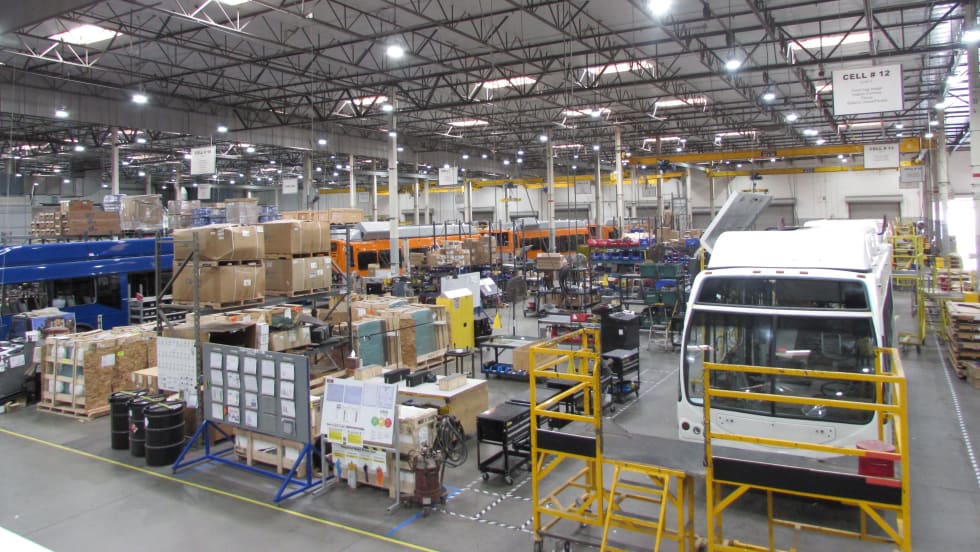
LA Metro Board Awards 220 Battery-Electric Bus Contract to ENC
The contract, which is the largest base award of battery-electric buses by a U.S. transit agency, will be built in Southern California, sustaining good jobs as LA prepares to welcome the world in 2028
Read More →
Public Transit Conference Returning to GFX in 2027, Call for Papers Now Open
The Call for Papers is now open, allowing transit agency professionals and industry experts to help shape the PTC educational program by submitting session ideas for consideration.
Read More →
Indian River Transit’s Community-Focused Approach Earns National Recognition
Named APTA’s 2026 Outstanding Public Transportation System in its size category, Florida’s Indian River County transit system continues to grow ridership through fare-free service and a focus on evolving community needs.
Read More →
ENC Lands MATA Contract and More in Biz Briefs
In this edition of Biz Briefs, we spotlight the latest developments shaping the future of mobility.
Read More →
From Surviving to Thriving: Building Stronger Transportation Organizations
Bus Business Consultants founder Brian Dickson shares lessons on leadership, organizational health, and creating options for long-term success in a changing transportation industry.
Read More →
Everett Transit, Community Transit Outline Consolidation Agreement
The proposed agreement calls for a 50% increase in bus service in Everett, a new microtransit zone, continued paratransit service, and the transfer of Everett Transit operations to Community Transit.
Read More →
SEPTA Details Accelerate Vision for Transit System
The plan outlines investments in trolley modernization, new Metro and Regional Rail vehicles, accessible stations, and more frequent bus and rail service.
Read More →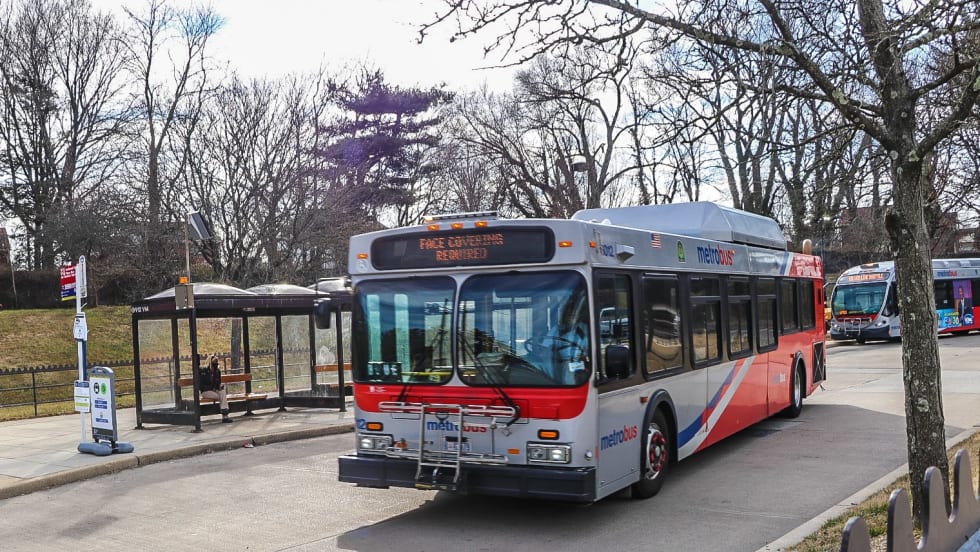
Report: Transit Bus Manufacturing Supports 34,100 Jobs, $5.1B in GDP
The “Buses Mean Business” report examines the transit bus manufacturing industry’s economic footprint, supply chain, and rising demand for vehicle replacements.
Read More →
Biz Briefs: New Flyer Delivers in Columbus, Houston, Beep and Freebee Merge, and More
In this edition of Biz Briefs, we spotlight the latest developments shaping the future of mobility.
Read More →