




RELATED: PSTA offers free trips for medical services to low-income seniors
MTI research assesses mobility and equity for low-income seniors
With the Baby Boomer generation well into retirement, cities have demonstrated an emerging interest in developing age-friendly cities.
February 11, 2019

With the Baby Boomer generation well into retirement, cities have demonstrated an emerging interest in developing age-friendly cities. Photo: Easter Seals Project Action
2 min to read
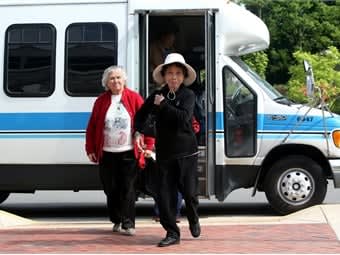
With the Baby Boomer generation well into retirement, cities have demonstrated an emerging interest in developing age-friendly cities. Photo: Easter Seals Project Action
Seniors are the fastest-growing segment of the U.S. population, but our cities are not planned with them in mind. Mineta Transportation Institute (MTI) researchers, Drs. Anastasia Loukaitou-Sideris and Martin Wachs, explore the travel patterns, needs, and mobility challenges faced by diverse low-income, inner-city older adults in Los Angeles to identify solutions.
With research in collaboration with the American Association of Retired Persons (AARP), the report “Transportation for an Aging Population: Assessing Mobility and Equity for Low-Income Seniors,” draws on existing research, existing policies geared toward older adult mobility, and the findings from an empirical study and 81 seniors residing in and around Los Angeles’ inner-city.
Los Angeles provides a unique topography, geography, and history that all contribute to the challenges of aging-in-place. Urban sprawl, in addition to its notorious traffic and hazardous sidewalks, create obstacles for the low-income, aging to obtain the necessary services or facilities they require.
“By turning the knowledge of these findings into action cities can develop ‘age-friendly’ initiatives, and in turn support older adults in enjoying the highest quality of life,” Dr. Wachs.
As physical mobility declines with age, it is no wonder that high-quality transportation is one of eight essential elements of age-friendly cities, according to the World Health Organization. However, despite transportation systems having to comply with American with Disabilities Act (ADA) standards, they often only meet the bare minimum needs for older riders.
Furthermore, low-income individuals of all ages often face significant and unique mobility challenges stemming from their lack of economic resources. “These individuals typically experience lower levels of car ownership, increased reliance on public transit, and fewer housing options… low-income older adults are one of the most mobility limited groups in America,” adds Loukaitou-Sideris.
Some of the factors limiting older residents’ use of public transit include:
Physical barriers
Psychological barriers (fear of transit, fear of tripping or falling, fear of crime, etc.)
Barriers to information exchange including the use of technology.
With the Baby Boomer generation well into retirement, cities have demonstrated an emerging interest in developing age-friendly cities. As a critical component to the development of such cities, this report aims to provide direct feedback on transportation and mobility needs from older adults.
More Paratransit

Biz Briefs: RIPTA Unveils New Frontrunners, Clevland RTA Adds New Siemens, and More
In METRO's latest installment, we take a look at recent news from Siemens, Prevost, Dodge, and more partnerships making headlines across the transportation sector.
Read More →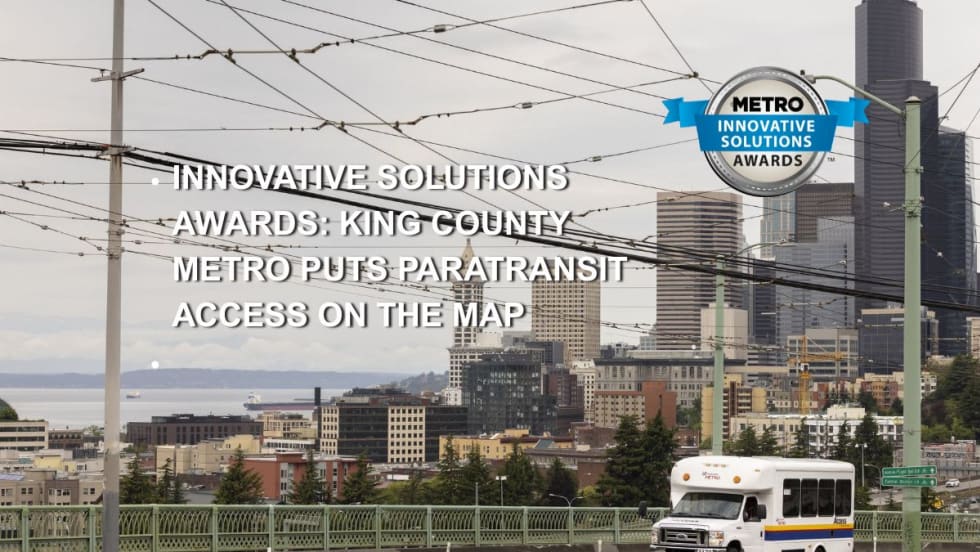
King County Metro Makes ADA Paratransit Easier to Navigate
METRO's Innovative Solutions Award winner replaces complex service-area descriptions with an accessible, interactive map that puts paratransit information directly in customers’ hands.
Read More →
Jacksonville’s NAVI Project Charts a New Course for Autonomous Public Transportation
Through its NAVI program, JTA is showing how autonomous vehicles, intelligent infrastructure, and coordinated operations can work together to deliver everyday public transportation.
Read More →
Driving Smarter Paratransit
John Hanlon shares how AlphaRoute is leveraging AI-powered technology to help paratransit providers optimize operations, support frontline staff, and enhance the rider experience.
Read More →
METRO Magazine Announces 2026 Innovative Solutions Awards Winners
Projects Recognized for Advancing Mobility Through Technology, Accessibility, Workforce Innovation, and Operational Excellence
Read More →
Biz Briefs: STV teams with Amtrak, Motorcoach Operators Boost Fleet and Land Contracts, and More
From manufacturers and suppliers to transit agencies and motorcoach operators, these updates offer a snapshot of the projects, partnerships and business moves driving the industry forward.
Read More →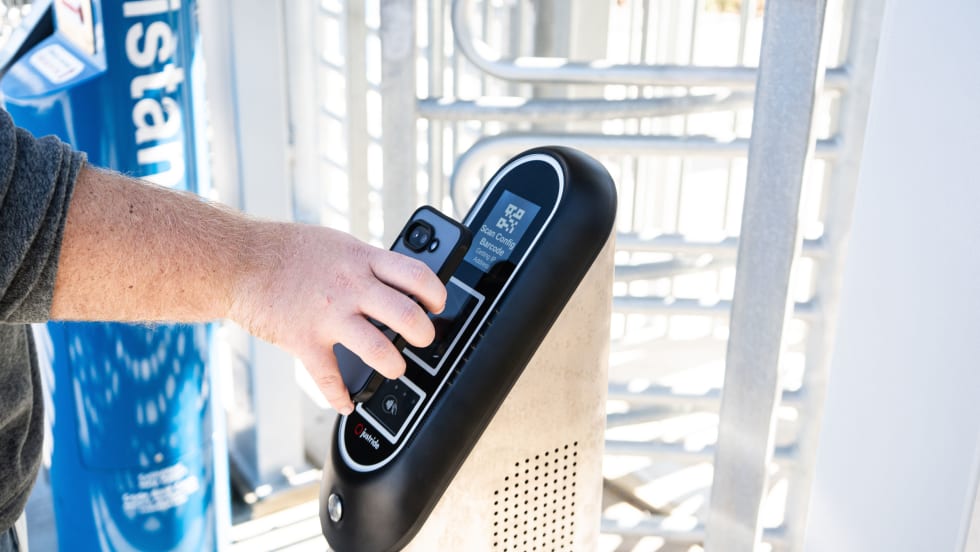
Biz Briefs: Masabi Teams with St. Louis Metro and More
In METRO's latest installment, we take a look at recent news from Transdev, Hitachi, and more partnerships making headlines across the transportation sector.
Read More →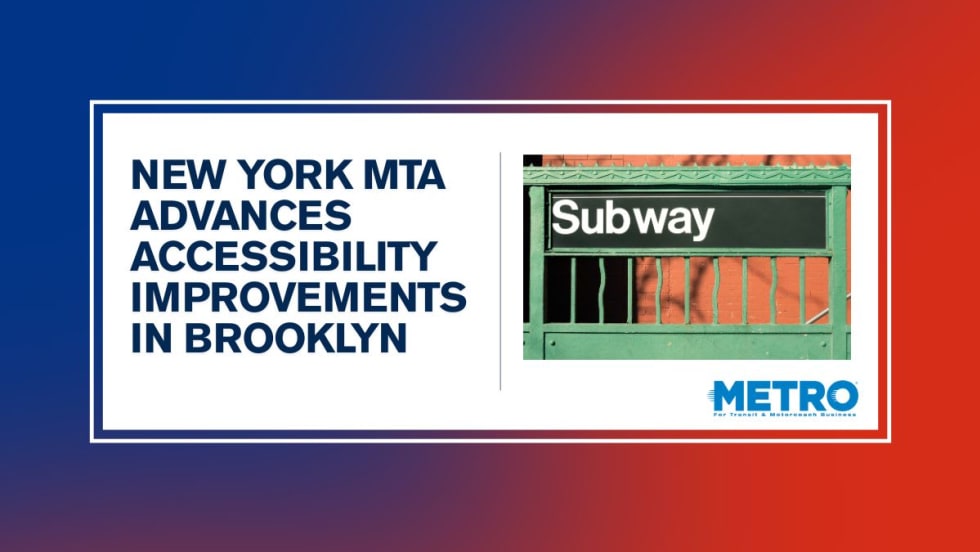
New York MTA Leverages Zoning Program to Advance Station Accessibility
Accessibility enhancements at Nevins St Station will be financed through a development agreement tied to the MTA's Zoning for Accessibility initiative.
Read More →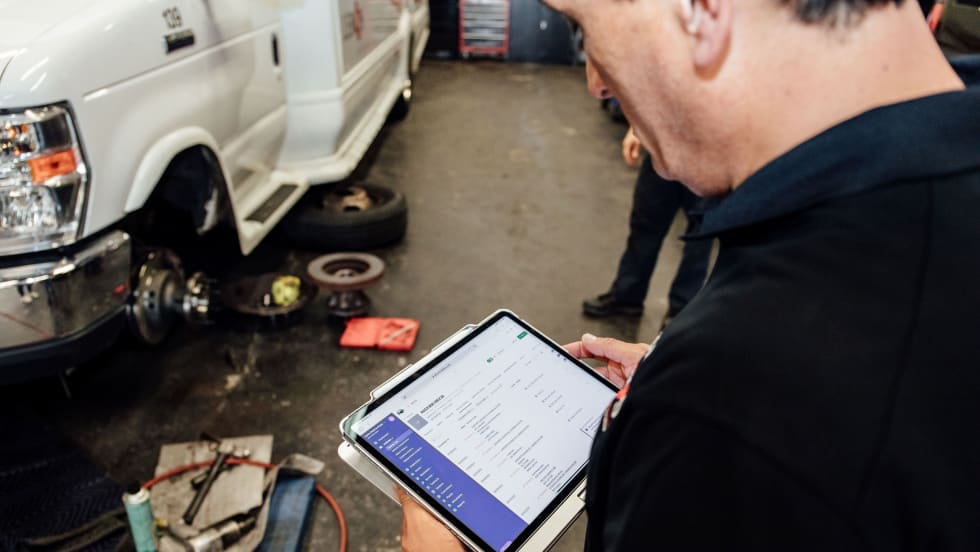
Reinventing Fleet Maintenance with Real-time Visibility and AI
Transit leaders need to know what needs fixing, where to look, who is responsible, when work is completed, and what it costs without having to chase information across disconnected systems.
Read More →
SamTrans Sets Priorities for Potential Connect Bay Area Revenue
The board-approved framework allocates future funding to maintaining service, rider improvements, equity initiatives, and infrastructure repairs.
Read More →