



N.J. Transit 9% fare hike proposal angers commuters
This would help the agency close a $60 million budget gap, which has been cut in half from $120 million. This is the first fare increase in five years.

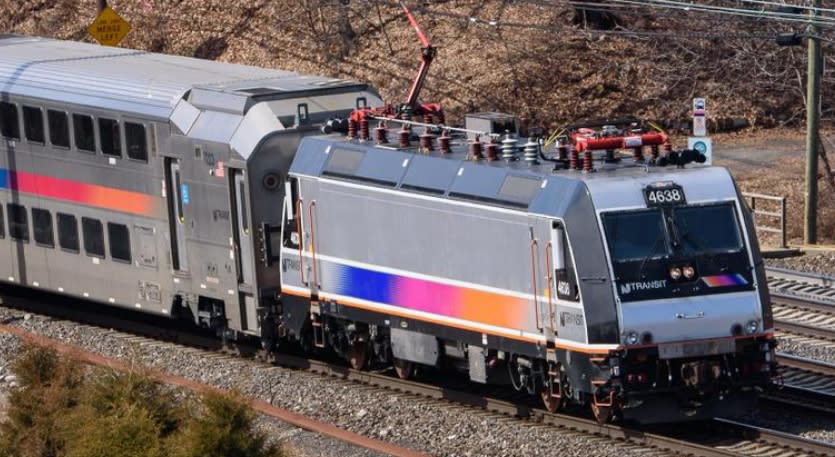
NEWARK, N.J. — NJ Transit riders could see their fares go up 9%, under a proposal unveiled Monday afternoon, but some commuters said they don't believe management made enough cuts before turning to them, according to NJ.com.
RELATED:NJ Transit to develop warning system to prevent trains from being flooded
Two individual trains and six bus routes also are on the chopping block. The proposed fare increases and service reductions would help the agency close a $60 million budget gap, which has been cut in half from $120 million. This is the first fare increase in five years, the report said.
If approved in July, the proposed service cuts would happen in September 2015 and fare increases would take effect on October 1, 2015, NJ Transit officials said.
"I'm not the least impressed," said David Peter Alan, president of the Lackawanna Commuter Coalition, adding that he is more concerned about the service cuts setting the stage for more slashing more train and bus service, NJ.com reported.
For the full story, click here.
New Jersey Transit's press release on its fare and service proposal:
Throughout the past five years, NJ TRANSIT held the line on fare increases while maintaining high quality services and implementing new customer amenities including MyTix, Departurevision, and MyBus Now.
However, costs such as contract services – Access Link, the organization’s paratransit service, Hudson-Bergen Light Rail and private carriers – and healthcare and benefits, general liability insurance, workers’ compensation and pensions have steadily risen. As a result, NJ TRANSIT has been left with a significant budget gap.
Although NJ TRANSIT has identified more than $40 million in reductions in overtime, fuel savings, energy and vehicle parts efficiencies, the agency still faces an approximate $60 million budget gap for the 2016 fiscal year. To close the gap, fare and service adjustments are being proposed.
NJ TRANSIT will hold nine scheduled public hearings and one information session beginning Saturday, May 16, 2015 to allow the public the opportunity to learn more about the proposed fare increases and service changes and offer comments before the plan is considered by the Board of Directors on July 8, 2015.
The proposed service and fare changes would take effect in September 2015 and on October 1, 2015, respectively. The proposed fare adjustment would be an average of 9 percent for the majority of NJ TRANSIT customers.
More Management

METRO Opens Submissions for 2026 Motorcoach Awards
Nominations are now being accepted for METRO Magazine’s Operator of the Year and Innovative Operator of the Year awards.
Read More →
New York MTA Advances Final Contract for Second Avenue Subway Expansion
Contract Four is the largest in the Second Avenue Subway Phase 2 project and includes construction of station infrastructure, tracks, and signals for the subway expansion, MTA officials said. Work on Contract Four will begin in 2027.
Read More →
Transit Agencies Highlight Safety Gains at National Summit
Leaders from 15 major transit systems shared crime-reduction results and safety initiatives while discussing the role of continued federal support.
Read More →

NITA Names New Leadership, Expands Reduced-Fare Program at First Board Meeting
The new regional transit authority appointed its first board chair and interim executive director while extending reduced fares across CTA, Metra, and Pace for eligible riders.
Read More →
Beyond the Checklist: A Structured Approach to Transit Maintenance
Reliability-Centered Maintenance helps transit agencies move beyond routine checklists to focus limited resources on the assets and failures that have the greatest impact on safety, reliability, and service.
Read More →
APTA 2026 Nominating Committee Selects Leadership Slate, Names Chair and Vice Chair Nominees
Leadership changes will help shape the association’s priorities and its representation of the transportation industry during the 2026–2027 term.
Read More →
DART Launches Major Security, Fare Enforcement Initiative
The 90-day demonstration will deploy coordinated security teams at five light rail stations while testing controlled access and gathering data to guide future investments.
Read More →
Advancing Fare Collection Through Technology and Innovation
Learn about delivering 1300 gates at 91 stations while managing fare evasion. Explore the large scale deployment, solution customization and real-world results that affect the region. Prepare for deployment in your region now.
Read More →
Game Day in Motion: Moving Millions During the 2026 World Cup
Between packed transit stations and team motorcoaches, see how agencies and operators across North America tackled the transportation demands of the 2026 FIFA World Cup.
Read More →
Surface Transportation Extension Averts Shutdown, Leaves Transit Funding Gap
The stopgap keeps federal transportation programs moving, but missing advance funding could complicate the transit and rail projects agencies are planning next.
Read More →