



Nashville MTA now WeGo Public Transit after rebrand
The new image is part of a process that started with the adoption of the nMotion plan in 2016.

Nashville MTA is now WeGo Public Transit and is reaffirming its commitment to connecting people “to their lives and their communities.”
The new image is part of a process that started with the adoption of the nMotion plan in 2016, and included extensive interviews and focus group testing of current riders, prospective riders, residents, businesses, and community leader in Nashville, all of whom are affected by the ever-growing mobility concerns in a rapidly growing city.
It is just one part of our continuing efforts to improve public transit in Nashville as laid out in the nMotion plan, which includes a number of service enhancements, as well as improvements to the customer experience.
WeGo is already making strides to become an embraced part of Nashville by being a friendly, sustainable, reliable, and trusted partner, with a goal to inspire connectivity one ride and one neighborhood at a time, according to a press release.
“Not getting bigger is no excuse for not getting better,” said WeGo CEO Steve Bland. “Nashville is growing, developing, and embracing new technologies, and is lightyears from the city it was when MTA began in 1973. Right now presents an incredible opportunity for us to rejuvenate our brand so everyone working in, living in, and visiting Nashville can look at us differently because we want to transit differently.”
Thanks to past Metro Nashville budgets, WeGo was able to place an order to replace 20% of its fleet this summer, providing much needed improvements to service reliability. These new vehicles — 31 buses and 19 vans — presented a unique opportunity to refresh the system’s look and feel, while reducing future repainting costs. The arrival of these new buses will also allow WeGo to resume normal service after the short-term service adjustments announced in late June due to vehicle shortages.
Additional service improvements include renovations, a more convenient fare payment system, updated bus routes and streamlined services, bus shelter renovations and additions, Wi-Fi access on select buses, updated route tracking services, and more.
More Management
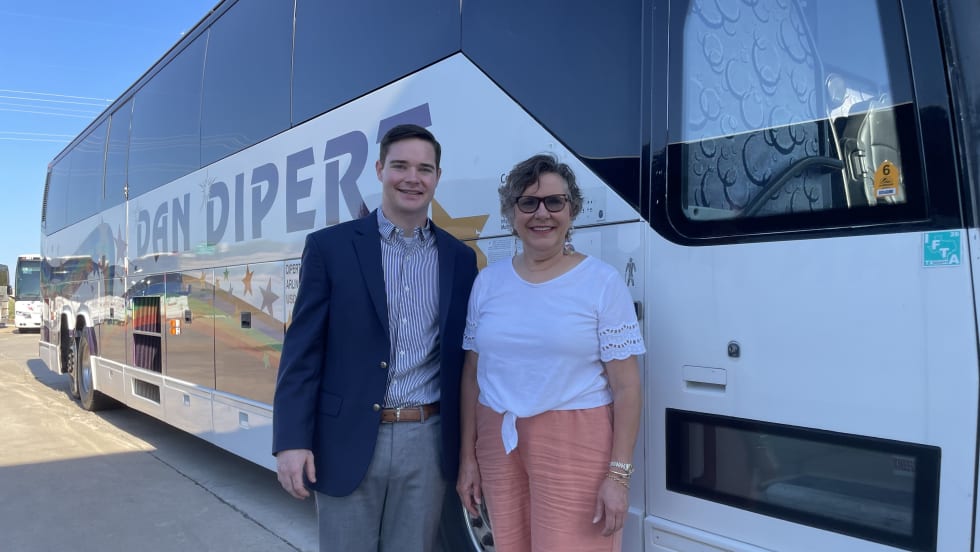
People Movement: Dan Dipert Coaches Adds Third-Generation Leader, Keolis Names New Valley Metro VP/GM, and More
In this edition, we also cover recent appointments and announcements at the Wabtec, SilverRide, HNTB, and more, showcasing the individuals helping to shape the future of transportation.
Read More →
METRO Opens Submissions for 2026 Motorcoach Awards
Nominations are now being accepted for METRO Magazine’s Operator of the Year and Innovative Operator of the Year awards.
Read More →
New York MTA Advances Final Contract for Second Avenue Subway Expansion
Contract Four is the largest in the Second Avenue Subway Phase 2 project and includes construction of station infrastructure, tracks, and signals for the subway expansion, MTA officials said. Work on Contract Four will begin in 2027.
Read More →

Transit Agencies Highlight Safety Gains at National Summit
Leaders from 15 major transit systems shared crime-reduction results and safety initiatives while discussing the role of continued federal support.
Read More →
NITA Names New Leadership, Expands Reduced-Fare Program at First Board Meeting
The new regional transit authority appointed its first board chair and interim executive director while extending reduced fares across CTA, Metra, and Pace for eligible riders.
Read More →
Beyond the Checklist: A Structured Approach to Transit Maintenance
Reliability-Centered Maintenance helps transit agencies move beyond routine checklists to focus limited resources on the assets and failures that have the greatest impact on safety, reliability, and service.
Read More →
APTA 2026 Nominating Committee Selects Leadership Slate, Names Chair and Vice Chair Nominees
Leadership changes will help shape the association’s priorities and its representation of the transportation industry during the 2026–2027 term.
Read More →
DART Launches Major Security, Fare Enforcement Initiative
The 90-day demonstration will deploy coordinated security teams at five light rail stations while testing controlled access and gathering data to guide future investments.
Read More →
Advancing Fare Collection Through Technology and Innovation
Learn about delivering 1300 gates at 91 stations while managing fare evasion. Explore the large scale deployment, solution customization and real-world results that affect the region. Prepare for deployment in your region now.
Read More →
Game Day in Motion: Moving Millions During the 2026 World Cup
Between packed transit stations and team motorcoaches, see how agencies and operators across North America tackled the transportation demands of the 2026 FIFA World Cup.
Read More →