



New Flyer acquires NABI for $80M
The transaction presents a number of opportunities for New Flyer, including an enhanced transit bus product offering with the addition of NABI’s Low Floor and BRT product platforms, and an expanded parts business with improved offering and customer support.

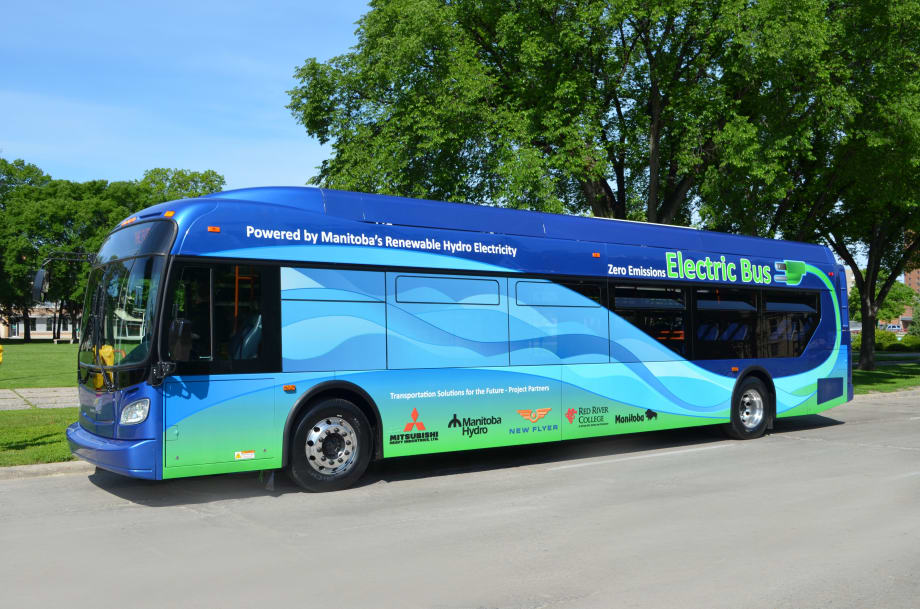
The addition of NABI’s low floor and bus rapid transit product platforms complements New Flyer’s Xcelsior (theXE40 is shown here) and MiDi product platforms, enhancing the manufacturer’s ability to provide customers with the best bus for their application or environment.
The addition of NABI’s low floor and bus rapid transit product platforms complements New Flyer’s Xcelsior (theXE40 is shown here) and MiDi product platforms, enhancing the manufacturer’s ability to provide customers with the best bus for their application or environment.
New Flyer Industries Inc. acquired North American Bus Industries Inc. (NABI) from an affiliate of Cerberus Capital Management LP for approximately $80 million.
The acquisition excludes discontinued operations in Hungary and substantially all related assets and liabilities.
The completion of the acquisition and related financing transactions is subject only to confirmation of the required wire transfers of funds which is expected later today.
“NABI represents a compelling growth platform for us,” said New Flyer's President/CEO Paul Soubry. “The addition of NABI to the New Flyer family provides New Flyer with a highly complementary product line, access to new customers, a cost efficient manufacturing platform based in Alabama, and it creates a significant player in aftermarket parts. The company plans to operate the NABI bus and NABI parts operations under the names NABI Bus LLC and NABI Parts LLC, respectively, within the New Flyer group of companies.”
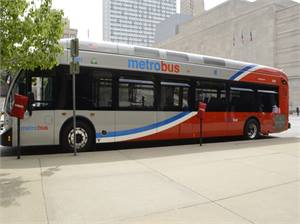
With bus manufacturing operations in Anniston, Ala., a parts distribution center in Delaware, Ohio, and a service center in Jurupa Valley, Calif., NABI manufactures urban transit buses for U.S. customers.
The manufacturer also operates one of the transit industry’s aftermarket parts organizations, sourcing parts from more than 200 different suppliers and providing support for transit buses throughout North America. For the last 12 months, ending March 31, NABI delivered 582 bus equivalent units (EUs) with bus revenue of approximately $268 million, aftermarket parts revenue of approximately $60 million, and a combined adjusted earnings before interest taxes depreciation amortization of approximately $20 million.
NABI currently has a total backlog of 1,579 EUs of which 593 are firm and 986 are options.
“New Flyer is a world-class company and this acquisition will provide NABI with synergistic opportunities to achieve an even higher level of performance and success,” said NABI’s President/CEO Jim Marcotuli. “The combined entity will be positioned to provide customers with an enhanced product offering and superior customer service.”
The transaction presents a number of opportunities for New Flyer, including:
• An enhanced transit bus product offering. The addition of NABI’s Low Floor (LFW) and Bus Rapid Transit (BRT) product platforms complements New Flyer’s Xcelsior and MiDi product platforms enhancing the manufacturer’s ability to provide customers with the best bus for their application or environment. In addition, NABI offers buses incorporating stainless steel frames for customers who have a specific requirement for this feature. There is little overlap in customers for whom the two companies are currently building buses.
• Expanded parts business with improved offering and customer support. The addition of NABI’s aftermarket parts segment represents a significant step for New Flyer’s aftermarket parts business. New Flyer intends to synchronize the parts databases and cross-reference lists of New Flyer, Orion and NABI, which management anticipates will permit the manufacturer to source parts more efficiently and offer expanded supply chain solutions to customers.
• Synergy Opportunities. New Flyer has identified opportunities for cost synergies such as in the areas of purchasing and strategic sourcing, plus general and administrative expenses that are expected to improve competiveness.
• Collaboration and sharing of technology and best practices. The combined entity will employ more than 3,000 people who share a commitment to excellence in heavy duty transit buses and product support with over 40,000 buses currently in operation in Canada and the U.S.
More Bus

People Movement: Dan Dipert Coaches Adds Third-Generation Leader, Keolis Names New Valley Metro VP/GM, and More
In this edition, we also cover recent appointments and announcements at the Wabtec, SilverRide, HNTB, and more, showcasing the individuals helping to shape the future of transportation.
Read More →
New York MTA Plans Largest Bus Fleet Upgrade in More Than a Decade
The agency is seeking manufacturers for 650 new CNG buses to replace aging vehicles, improve reliability, and advance its broader fleet modernization strategy.
Read More →
Building a Flexible Path to Transit Electrification
John Hroncich discusses BAE Systems’ modular and scalable approach, lessons learned from decades of real-world operations, and how agencies can identify electrification strategies that fit their fleets.
Read More →
Bus Tech Talk: Keeping Transit Technicians Ahead of the Technology Curve
LA Metro’s Obed Mejia discusses technician training, evolving maintenance technology, fleet replacement, and strategies for getting the most out of today’s transit fleets.
Read More →
Biz Briefs: RIPTA Unveils New Frontrunners, Clevland RTA Adds New Siemens, and More
In METRO's latest installment, we take a look at recent news from Siemens, Prevost, Dodge, and more partnerships making headlines across the transportation sector.
Read More →
People Movement: Holly Arnold Joins Transdev and More
In this edition, we also cover recent appointments and announcements at Pace, CamTran, MCI, and more, showcasing the individuals helping to shape the future of transportation.
Read More →
The High Cost of Transit Buses: Industry Leaders Look to Procurement Reform
Transit leaders and policymakers examine how standardized bus designs, streamlined procurement, and predictable funding could help agencies stretch budgets and deliver better service.
Read More →
The Business Voice Behind Public Transportation
As chair of APTA’s Business Members Board of Governors, Ray Melleady explains how more than 850 business members are partnering with transit agencies to advance funding, innovation, and industry-wide collaboration.
Read More →
From Surviving to Thriving: Building Stronger Transportation Organizations
Bus Business Consultants founder Brian Dickson shares lessons on leadership, organizational health, and creating options for long-term success in a changing transportation industry.
Read More →
Finding the ‘Happy Medium’: Optimizing Maintenance Without Sacrificing Reliability
The key to maintenance optimization isn’t doing less work—it’s doing the right work at the right time on the right assets.
Read More →