



New Flyer introduces Xcelsior all-electric
By replacing conventional mechanical power train systems, such as engines, transmissions fuel systems and complete exhaust after-treatment, with a high efficiency electric drive, the XE40 requires less maintenance throughout its life.

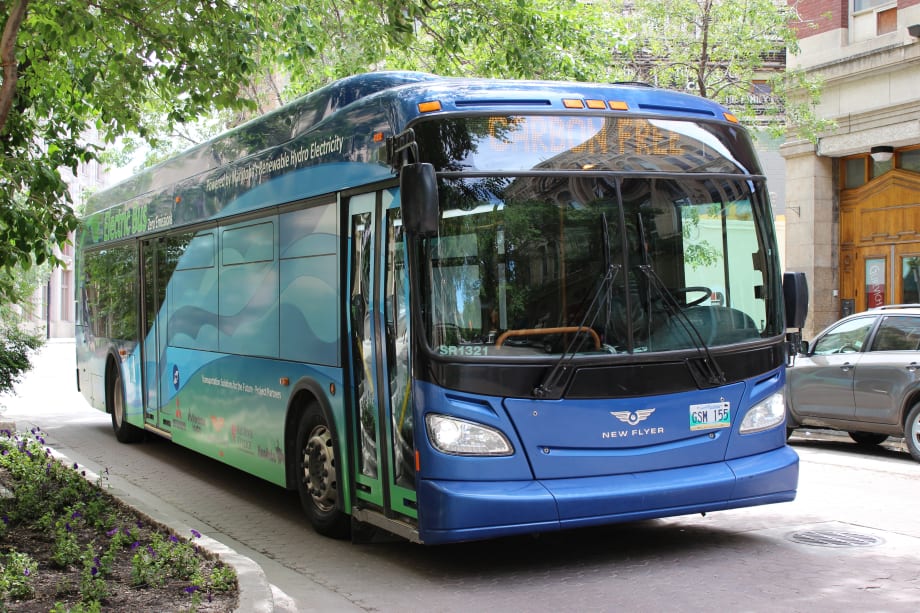
New Flyer Industries Inc. unveiled the addition of a zero-emission battery-electric propulsion system to its commercially available lineup of Xcelsior® transit bus models at APTA Expo on Monday.
“We’re very excited about the addition of the battery-electric propulsion XE40 to our proven bus portfolio,” said New Flyer President/CEO Paul Soubry. “In addition to clean diesel, natural gas, diesel-electric hybrid, electric trolley and fuel-cell, our customers now have a commercially available and cost-effective all-electric propulsion option that can integrate seamlessly with their existing transit fleet. We believe electrification of transit buses was not a matter of ‘if’, but rather ‘when.’”
With more than 4,400 Xcelsior buses delivered or on order throughout North America, New Flyer has demonstrated industry leading reliability, providing both passengers and drivers with safe, quiet and dependable public transportation. The XE40 features:
A New Flyer integrated energy storage system.
A Siemens electric drive system.
Proven electric subsystems and accessories currently available on the Xcelsior hybrid variants.
Depot charging capability and an Eaton en-route conductive charging capability.
By replacing conventional mechanical power train systems, such as engines, transmissions fuel systems and complete exhaust after-treatment, with a high efficiency electric drive, the XE40 requires less maintenance throughout its life. The lithium ion battery packs have the ability to receive a partial recharge using a regenerative braking system, which is ideally suited for the typical start-and-stop duty cycle of a transit bus. Range is dependent on the unique operations and route structure of each customer with the capability of scalable battery capacities between 100 and 300 kWh.
New Flyer’s commitment to zero-emission fuel cell technology began in 1995 with the delivery of the first 40-foot hydrogen fuel cell bus in North America. The company’s zero-emission transit bus product line also includes electric trolley and battery-electric propulsion variants, a total of 362 which are in service today. In 2012, New Flyer unveiled its battery electric pilot bus, along with partners Manitoba Hydro, Red River College, Mitsubishi Heavy Industries, Manitoba Government and Winnipeg Transit. The pilot bus has undergone extensive all weather service testing and in March 2014 it began shuttle service operation.
To date, New Flyer has built six XE40’s for North American customers, and expects five of them to enter service in the coming weeks. The sixth vehicle has commenced its FTA new bus model testing at the Altoona Bus Research and Testing Center in Altoona, Pa.
As with all New Flyer buses, the XE40 is delivered with New Flyer’s commitment to lifetime customer care, which includes a comprehensive product warranty, maintenance and operations training, spare parts and an extensive network of in-service support professionals.
More Bus
Biz Briefs: New Flyer Delivers in Columbus, Houston, Beep and Freebee Merge, and More
In this edition of Biz Briefs, we spotlight the latest developments shaping the future of mobility.
Read More →
People Movement: Dan Dipert Coaches Adds Third-Generation Leader, Keolis Names New Valley Metro VP/GM, and More
In this edition, we also cover recent appointments and announcements at the Wabtec, SilverRide, HNTB, and more, showcasing the individuals helping to shape the future of transportation.
Read More →
New York MTA Plans Largest Bus Fleet Upgrade in More Than a Decade
The agency is seeking manufacturers for 650 new CNG buses to replace aging vehicles, improve reliability, and advance its broader fleet modernization strategy.
Read More →
Building a Flexible Path to Transit Electrification
John Hroncich discusses BAE Systems’ modular and scalable approach, lessons learned from decades of real-world operations, and how agencies can identify electrification strategies that fit their fleets.
Read More →
Bus Tech Talk: Keeping Transit Technicians Ahead of the Technology Curve
LA Metro’s Obed Mejia discusses technician training, evolving maintenance technology, fleet replacement, and strategies for getting the most out of today’s transit fleets.
Read More →
Biz Briefs: RIPTA Unveils New Frontrunners, Clevland RTA Adds New Siemens, and More
In METRO's latest installment, we take a look at recent news from Siemens, Prevost, Dodge, and more partnerships making headlines across the transportation sector.
Read More →
People Movement: Holly Arnold Joins Transdev and More
In this edition, we also cover recent appointments and announcements at Pace, CamTran, MCI, and more, showcasing the individuals helping to shape the future of transportation.
Read More →
The High Cost of Transit Buses: Industry Leaders Look to Procurement Reform
Transit leaders and policymakers examine how standardized bus designs, streamlined procurement, and predictable funding could help agencies stretch budgets and deliver better service.
Read More →
The Business Voice Behind Public Transportation
As chair of APTA’s Business Members Board of Governors, Ray Melleady explains how more than 850 business members are partnering with transit agencies to advance funding, innovation, and industry-wide collaboration.
Read More →
From Surviving to Thriving: Building Stronger Transportation Organizations
Bus Business Consultants founder Brian Dickson shares lessons on leadership, organizational health, and creating options for long-term success in a changing transportation industry.
Read More →