



NJ TRANSIT board selects William Crosbie as new executive director
He will succeed Dennis J. Martin, who has served as the agency’s interim executive director since Dec. 2015. Martin will resume his previous position as VP/GM of NJ TRANSIT’s Bus Operations Division.


In a unanimous vote, the NJ TRANSIT Board of Directors appointed William (Bill) Crosbie as its new executive director, effective on or about April 25, 2016.
Crosbie succeeds Dennis J. Martin, who has served as the agency’s interim executive director since Dec. 2015. Martin will resume his previous position as VP/GM of NJ TRANSIT’s Bus Operations Division.
“I would like to thank Governor Christie and the NJ TRANSIT Board of Directors for this tremendous opportunity to serve the more than 900,000 people who utilize the New Jersey Transit system each year,” said Crosbie. “I am anxious to roll up my sleeves and stand shoulder to shoulder with the men and women of NJ TRANSIT to address the service, safety, equipment and facility needs of our customers and our infrastructure.”
Prior his appointment, Crosbie served as president/CEO as well as regional director, North America, for SYSTRA USA, an international transportation engineering consulting firm. During his tenure, he was responsible for leading day-to-day operations as well as the strategic development of the firm.
In addition to serving as VP, railroad programs, for the Parsons Corp., Crosbie spent more than seven years as the chief operating officer of Amtrak where he directed the transportation, engineering (infrastructure), mechanical (rolling stock), police and security, environmental, health, and safety functions.
More Management
Turn Transit Data Into Action
Discover how leading agencies are using connected technology to gain real-time visibility across operations, improve service reliability, and reduce disruptions.
Read More →
What Transit-Oriented Development Means for the Future of Public Transportation
Once viewed primarily as transit operators, agencies are now leveraging land, partnerships, and long-term planning to boost ridership, expand housing, and strengthen communities.
Read More →
USDOT Announces $22 Million for Transit Innovation, Updates High-Speed Rail Rules
New federal transit funding will support safety, accessibility, and technology projects as updated rail regulations establish new noise standards for high-speed trains.
Read More →
Transportation Construction Coalition Unveils Infrastructure Case Studies Ahead of Federal Funding Deadline
The coalition noted the next surface transportation bill should provide sustained investment in highways and public transit to strengthen freight movement, improve safety, and support economic growth.
Read More →
People Movement: American Bus Association Extends Ferguson and More
METRO’s People Movement highlights the latest leadership changes, promotions, and personnel news across the public transit, motorcoach, and people mobility sectors.
Read More →
METRO Magazine Announces 2026 Innovative Solutions Awards Winners
Projects Recognized for Advancing Mobility Through Technology, Accessibility, Workforce Innovation, and Operational Excellence
Read More →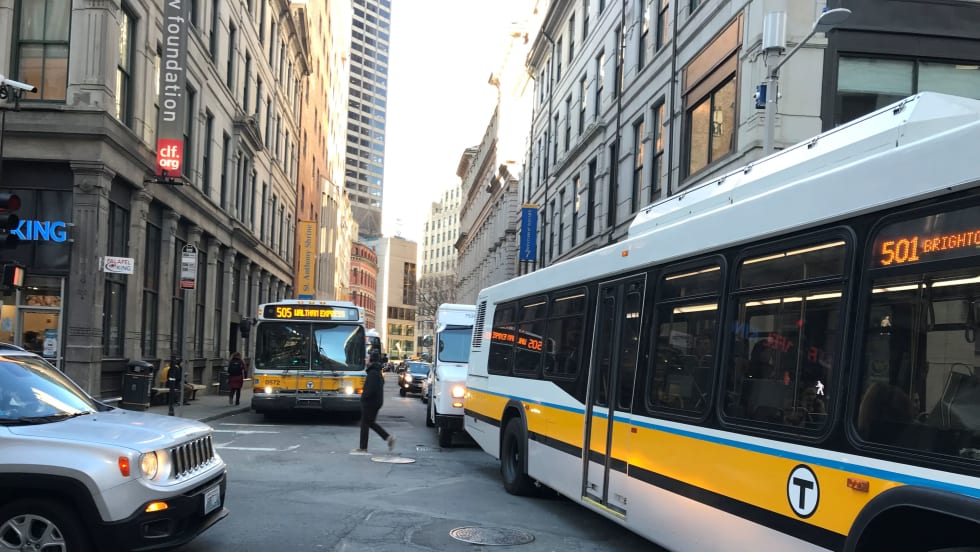
MBTA Rolls Out Pilot Programs to Cut Costs, Simplify Travel
Three new fare pilots — including unlimited two-hour transfers, reduced express bus fares, and free transit for eligible seniors — will launch this fall as Massachusetts extends popular commuter rail discounts through November.
Read More →
FTA Opens $610 Million Funding Opportunity for Bus Infrastructure Projects
The latest Notice of Funding Opportunity provides transit agencies with funding for bus facilities, fleet modernization, and low- and no-emission vehicles, with applications due September 21.
Read More →
Biz Briefs: STV teams with Amtrak, Motorcoach Operators Boost Fleet and Land Contracts, and More
From manufacturers and suppliers to transit agencies and motorcoach operators, these updates offer a snapshot of the projects, partnerships and business moves driving the industry forward.
Read More →
Massachusetts Approves $530M to Strengthen MBTA Operations, Infrastructure
The funding package targets operating stability, capital improvements, and fare affordability, offering a model for agencies navigating long-term funding challenges.
Read More →