



Omaha, Neb. system rebrands, bolsters fleet
Metro Area Transit, which will now go by "Metro," purchased 24 new buses and debuted its redesigned website -- www.ometro.com.

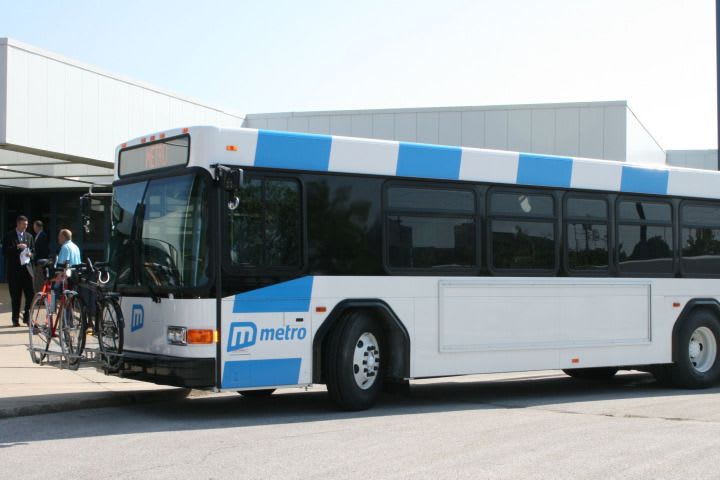
[IMAGE]Omaha-Transit-Buses-full-2.jpg[/IMAGE]Omaha, Neb.-based Metro Area Transit (MAT) will now go by “Metro” and has changed its corporate look to show significant changes are afoot with the area’s transit authority. In addition, the agency purchased 24 new replacement buses for the Metro fleet, fully funded by the American Recovery and Reinvestment Act stimulus effort.
“We put forth this outward, visual projection of what’s happening here internally as a
highly visible commitment to the public. We are asking them to think differently about public transportation; this new image shows we are, too,” says Curt Simon, executive director for Metro.
The redesign of the corporate logo, to be a dynamic, outlined blue “M,” was the work of
Oxide Design Co. of Omaha. Conversations between Metroʼs leaders and Oxide led to focus on a new identity that conveyed key words and impressions such as safe, clean dependable/consistent, convenient, and modern/progressive.
The “re-brand” was deemed necessary by Metroʼs leaders because the MAT brand appeared to be outdated. Rather than reflecting an organization current with trends and transportation responsibilities, it implied an establishment entrenched in its old ways. The fresh logo communicates the truth: an organization that is modern and looking to the future.
The new name was recommended to not only signify to the public that something
significant is transpiring at Metro, but that Omahaʼs public transit system is one part of a larger, nationwide whole. It is key for resident and area users to feel Metro is similar to trusted and esteemed systems of similarly-sized or larger cities.
The cost for the 24 replacement buses purchase totaled $7,816,427. Stimulus monies were awarded at 100 percent, meaning no local matching funds — local monies or tax dollars — were required to purchase the vehicles. Typically the local match on federal grants for vehicle replacement is 17 percent. Visible changes are mainly aesthetic in nature with the new logo, striping and graphics, and will have the latest in seating comfort and interior color schemes.
These replace 24 high floor Metro buses with low floor configurations — manufactured by Gillig — making boarding and disembarking the buses much easier for passengers and are a particularly beneficial to customers using wheelchairs.
This new visual direction for Metro really speaks of a systemic change in approach to
customer service and perception. In addition to the shift in corporate identity, the transit system has overhauled its website. The address has changed to www.ometro.com, and the look, feel and approach to sharing information is strikingly different.
Another shift can be seen in Metroʼs attention to education. Its “Pass to Class” program has transitioned from a pilot program in October 2009 to a continuing joint effort between Metropolitan Community College (MCC) and Metro. MCC distributes bus passes to any student currently enrolled at any of their campuses; since inception, MCC students have tallied over 133,000 trips on Metro.
Also, attention is given to enhancing bus routes. Late last spring, Metro revised and
extended service on two routes to provide true cross-town service without requiring a transfer. Additionally, three revised neighborhood circulator routes were initiated at the same time due to public interest and need. Expect also in the near future Wi-Fi at all transit centers.
More Bus
Biz Briefs: OCTA Taps Clean Energy for Hydrogen Station, Stadler to Supply Via Rail Vehicles, and More
From manufacturers and suppliers to transit agencies and motorcoach operators, these updates offer a snapshot of the projects, partnerships and business moves driving the industry forward.
Read More →
METRO Magazine Announces 2026 Innovative Solutions Awards Winners
Projects Recognized for Advancing Mobility Through Technology, Accessibility, Workforce Innovation, and Operational Excellence
Read More →
Biz Briefs: STV teams with Amtrak, Motorcoach Operators Boost Fleet and Land Contracts, and More
From manufacturers and suppliers to transit agencies and motorcoach operators, these updates offer a snapshot of the projects, partnerships and business moves driving the industry forward.
Read More →
LA Metro Marks Banner Year, Sets Ambitious Goals for New Fiscal Year
Incoming LA Metro Board Chair and Los Angeles Mayor Karen Bass joined outgoing Board Chair Fernando Dutra and LA Metro CEO Stephanie Wiggins to review accomplishments from fiscal year 2026, which included the opening of new rail extensions, advancement of major transit projects, expanded safety programs, and new rider amenities.
Read More →
DART Taps Nathaniel P. Ford Sr. as Next President/CEO
Since 2012, Ford has served as the CEO of the Jacksonville Transportation Authority
Read More →
AC Transit’s Cecil Blandon on Building the Next Generation of Transit Maintenance Leaders
The agency’s maintenance chief discusses leadership, workforce development, zero-emission technology, and preparing technicians for the future of public transportation.
Read More →
Building the Next Generation of Transit Technology
In this edition of METROspectives, Luminator CEO Magnus Friberg discusses the company's transformation, the growing role of AI and software, and what's next for transit technology.
Read More →
June LA Metro Ridership Surges 2 Million Year Over Year
Total June ridership increased for both weekdays and weekends. Weekday ridership was 953,820, which grew 8.4% from June 2025; Saturdays increased nearly 13% year-over-year to 708,826; and Sundays increased 7.7% to 611,534 from June 2025, according to LA Metro.
Read More →
Washington's Pierce Transit Board Sends Transit Funding Measure to November Ballot
With the adoption of Resolution 2026-006, the measure moves to the Pierce County Auditor, giving voters in the Pierce Transit service area the decision on whether to fund an expansion of local transit service within the agency’s service area.
Read More →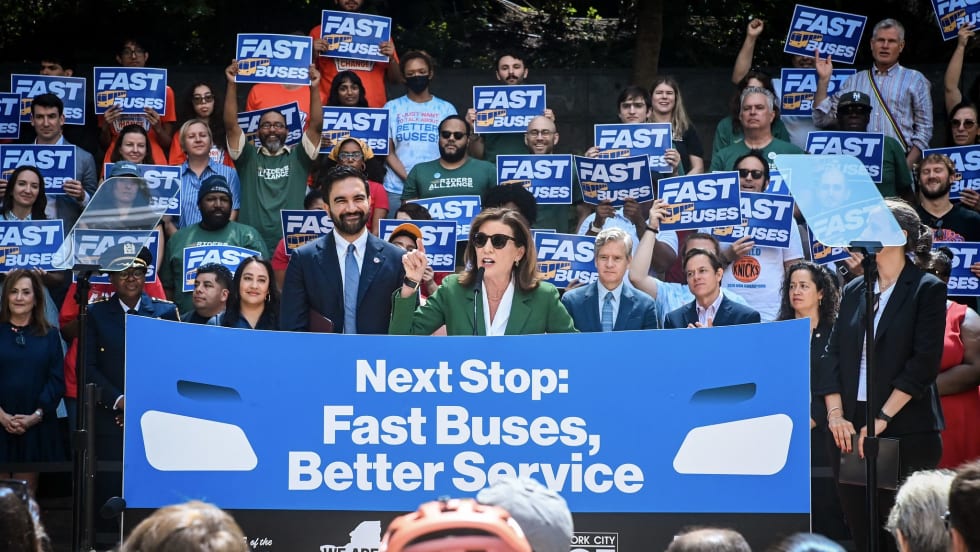
New York Unveils Sweeping Plan to Modernize City Bus Service
Next Stop: Fast Buses, Better Service identifies 50 priority bus corridors for improvements across the five boroughs and launches the City’s next generation of rapid bus service along five key routes.
Read More →