



Ozark Transit adds 40 ARBOC Spirit of Equess buses
The order, which will enhance Ozark Regional Transit’s 100% accessible fleet, was secured through ARBOC’s U.S. dealer Creative Bus Sales.

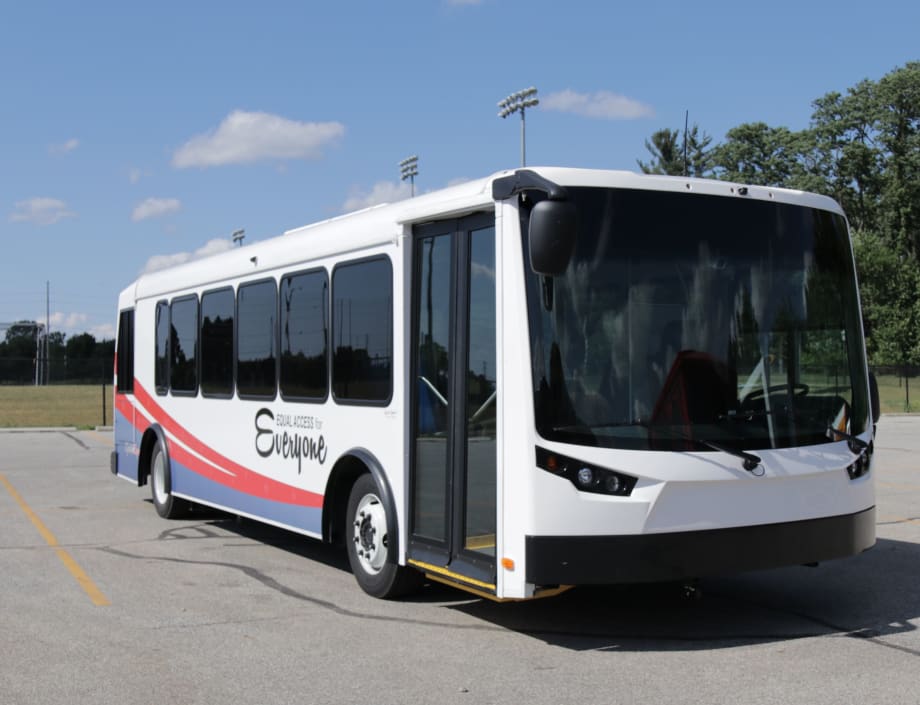
With a 1:6 ramp slope and 39-inch door opening for passengers, the non-kneeling cutaway Equess exceeds the Americans with Disabiltities Act guidelines.
Via Creative Bus Sales
With a 1:6 ramp slope and 39-inch door opening for passengers, the non-kneeling cutaway Equess exceeds the Americans with Disabiltities Act guidelines.
Via Creative Bus Sales
ARBOC Specialty Vehicles LLC, a U.S. subsidiary of NFI Group Inc., announced that Ozark Regional Transit (ORT) in Arkansas has received an order for 40 low-floor, medium-duty Spirit of Equess transit buses.
The order, which will enhance ORT's 100% accessible fleet, was secured through ARBOC’s U.S. dealer Creative Bus Sales.
“ARBOC is proud to provide fully accessible, low-floor buses to Northwest Arkansas and, we look forward to working with CBS and ORT as they improve mobility in this region,” said Don Roberts, president of ARBOC. “We are proudly dedicated to leading the progression of equal access for everyone throughout North America. This award is our first order for the new Equess medium-duty bus model.”
With a 1:6 ramp slope and 39-inch door opening for passengers, the non-kneeling cutaway Equess exceeds the Americans with Disabiltities Act guidelines. The order will also replace 20 ORT buses destroyed in a fire last year, and will supplement existing low-floor cutaway buses in the fleet.
“The Equess fits the characteristics of streets in the communities we serve,” said Joel Gardner, executive director of ORT. “Keys to providing fixed-route services in some areas are based on the overall length, width and turning radius of the vehicles. The Equess meets those needs very well. ARBOC has proven itself to be an excellent provider of transit vehicles and, in this case, can provide us with the delivery timeline we needed.”
Ozark Regional Transit delivers over 300,000 trips annually with 12 fixed routes throughout northwest Arkansas, including the cities of Fayetteville, Springdale, Bentonville, and Rogers.
More Bus
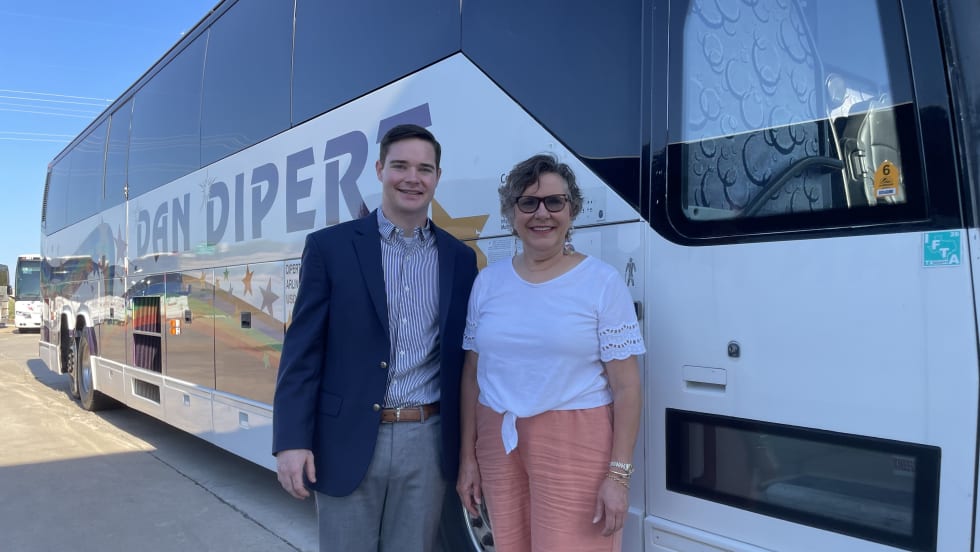
People Movement: Dan Dipert Coaches Adds Third-Generation Leader, Keolis Names New Valley Metro VP/GM, and More
In this edition, we also cover recent appointments and announcements at the Wabtec, SilverRide, HNTB, and more, showcasing the individuals helping to shape the future of transportation.
Read More →
New York MTA Plans Largest Bus Fleet Upgrade in More Than a Decade
The agency is seeking manufacturers for 650 new CNG buses to replace aging vehicles, improve reliability, and advance its broader fleet modernization strategy.
Read More →
Building a Flexible Path to Transit Electrification
John Hroncich discusses BAE Systems’ modular and scalable approach, lessons learned from decades of real-world operations, and how agencies can identify electrification strategies that fit their fleets.
Read More →
Bus Tech Talk: Keeping Transit Technicians Ahead of the Technology Curve
LA Metro’s Obed Mejia discusses technician training, evolving maintenance technology, fleet replacement, and strategies for getting the most out of today’s transit fleets.
Read More →
Biz Briefs: RIPTA Unveils New Frontrunners, Clevland RTA Adds New Siemens, and More
In METRO's latest installment, we take a look at recent news from Siemens, Prevost, Dodge, and more partnerships making headlines across the transportation sector.
Read More →
People Movement: Holly Arnold Joins Transdev and More
In this edition, we also cover recent appointments and announcements at Pace, CamTran, MCI, and more, showcasing the individuals helping to shape the future of transportation.
Read More →
The High Cost of Transit Buses: Industry Leaders Look to Procurement Reform
Transit leaders and policymakers examine how standardized bus designs, streamlined procurement, and predictable funding could help agencies stretch budgets and deliver better service.
Read More →
The Business Voice Behind Public Transportation
As chair of APTA’s Business Members Board of Governors, Ray Melleady explains how more than 850 business members are partnering with transit agencies to advance funding, innovation, and industry-wide collaboration.
Read More →
From Surviving to Thriving: Building Stronger Transportation Organizations
Bus Business Consultants founder Brian Dickson shares lessons on leadership, organizational health, and creating options for long-term success in a changing transportation industry.
Read More →
Finding the ‘Happy Medium’: Optimizing Maintenance Without Sacrificing Reliability
The key to maintenance optimization isn’t doing less work—it’s doing the right work at the right time on the right assets.
Read More →