




Deriving the Bus: Building Today’s Facility for Tomorrow’s Buses
Potrero Yard Modernization Project Takes Step Forward
The project is an initiative to restore the obsolete 107-year-old Potrero Bus Yard with a bus storage facility.
November 2, 2022
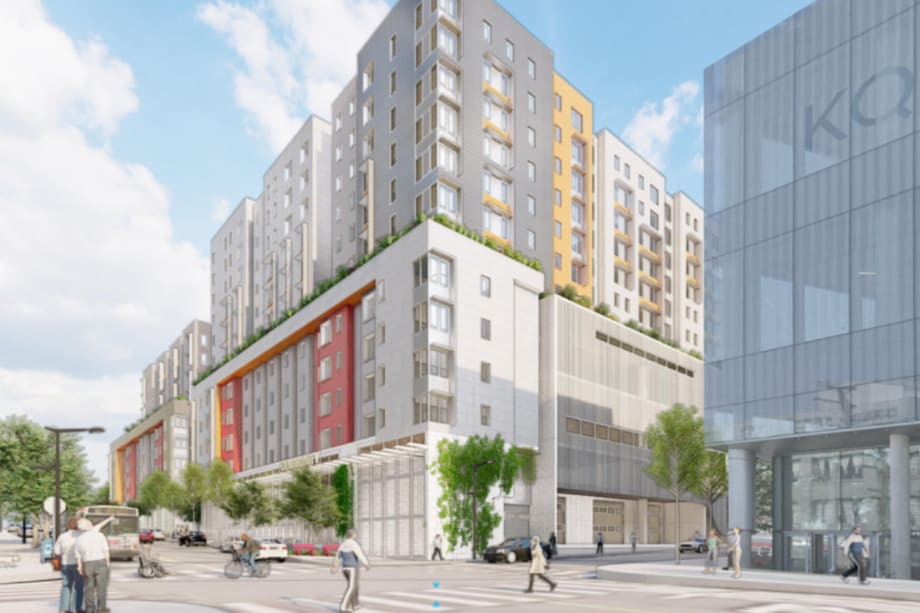
The project is the city’s first site to modernize transit infrastructure while also including affordable housing.
Photo: SFMTA
3 min to read
The San Francisco Municipal Transportation Agency (SFMTA) board voted to approve the City’s next step in moving forward with the Potrero Yard Modernization Project, according to the agency's news release.
The project is an initiative to restore the obsolete 107-year-old Potrero Bus Yard with a bus storage facility and up to 575 affordable rental units for low- and moderate-income tenants.
The SFMTA board authorized the agency to execute the initial predevelopment agreement (PDA) with the Potrero Neighborhood Collective (PNC), the developer awarded to lead the project.
“Transit and housing should go together, whether that’s building dense housing on transit lines or recognizing opportunities like this to not only modernize a bus facility but also how we think about building more housing while we do,” said Mayor London Breed. “San Francisco is a dense city, and we have to be deliberate in how we approach solutions to our housing shortage.”
In 2017, the SFMTA launched the Building Progress Program, a $2.3 billion multiyear effort to repair, renovate, and modernize the agency's facilities. Prior to the COVID-19 pandemic, over 100,000 Muni customers relied on six bus routes (5 Fulton, 5 Fulton Rapid, 6 Haight/Parnassus, 14 Mission, 22 Fillmore, and 30 Stockton) that ran out of Potrero Yard.
The project, located at Bryant and Mariposa streets in the Potrero Hill neighborhood, is the city’s first site to modernize transit infrastructure while also including affordable housing, according to the SFMTA.
Approximately half of the residential units, which will occupy seven floors above the bus facility, are planned for low-income seniors, families, and single-occupant households earning 80% or below of the Area Median Income (AMI). The remaining units will be available to moderate-income housing for households earning between 80% and 120% of the AMI. Planning for the housing elements included community input and is consistent with city policies on anti-displacement, inclusive communities, and creating stable housing for vulnerable populations.
“This project is unique in that we can maximize affordable housing for San Franciscans while dramatically improving working conditions for the staff who operate and repair Muni buses,” said Shamann Walton, Board of Supervisors president. “I am excited to reach this milestone for our community.”
Potrero Yard in its current form does not meet up-to-date safety standards and the structure can’t support modern maintenance and cleaning, according to the SFMTA. A modern facility will allow staff to repair buses faster and improve Muni’s reliability while leveraging an opportunity to maximize environmental upgrades. The new facility would also help Muni’s transition to a battery-electric bus fleet while also increasing the capacity to service the fleet as it grows by about 50%.
Other enhancements include improving working environments for the SFMTA frontline operations and maintenance staff who currently work in outdated facilities and providing adequate space and operational flow for bus maintenance, parking, and circulation of the bus fleet.
"The Potrero Yard Modernization Project is an example of the SFMTA's national leadership in delivering sustainable transit,” said Jeffrey Tumlin, director of transportation of the SFMTA. “I am extremely proud of the creative work done by the SFMTA and city staff who envisioned a unique use of public resources to address affordable housing needs as we improve Muni’s infrastructure.”
The Potrero Yard Modernization Project is currently in the early design stages. This period of time will serve to further develop the design of architectural and commercial elements such as massing and housing unit count and unit mix. Finalizing materials selection, lighting, and curated art is ongoing.
More Bus

New York MTA Plans Largest Bus Fleet Upgrade in More Than a Decade
The agency is seeking manufacturers for 650 new CNG buses to replace aging vehicles, improve reliability, and advance its broader fleet modernization strategy.
Read More →
Building a Flexible Path to Transit Electrification
John Hroncich discusses BAE Systems’ modular and scalable approach, lessons learned from decades of real-world operations, and how agencies can identify electrification strategies that fit their fleets.
Read More →
Bus Tech Talk: Keeping Transit Technicians Ahead of the Technology Curve
LA Metro’s Obed Mejia discusses technician training, evolving maintenance technology, fleet replacement, and strategies for getting the most out of today’s transit fleets.
Read More →
Biz Briefs: RIPTA Unveils New Frontrunners, Clevland RTA Adds New Siemens, and More
In METRO's latest installment, we take a look at recent news from Siemens, Prevost, Dodge, and more partnerships making headlines across the transportation sector.
Read More →
People Movement: Holly Arnold Joins Transdev and More
In this edition, we also cover recent appointments and announcements at Pace, CamTran, MCI, and more, showcasing the individuals helping to shape the future of transportation.
Read More →
The High Cost of Transit Buses: Industry Leaders Look to Procurement Reform
Transit leaders and policymakers examine how standardized bus designs, streamlined procurement, and predictable funding could help agencies stretch budgets and deliver better service.
Read More →
The Business Voice Behind Public Transportation
As chair of APTA’s Business Members Board of Governors, Ray Melleady explains how more than 850 business members are partnering with transit agencies to advance funding, innovation, and industry-wide collaboration.
Read More →
From Surviving to Thriving: Building Stronger Transportation Organizations
Bus Business Consultants founder Brian Dickson shares lessons on leadership, organizational health, and creating options for long-term success in a changing transportation industry.
Read More →
Finding the ‘Happy Medium’: Optimizing Maintenance Without Sacrificing Reliability
The key to maintenance optimization isn’t doing less work—it’s doing the right work at the right time on the right assets.
Read More →
LA Metro, City of West Hollywood, and Partners Advance Smarter Bus Lane Enforcement
The award-winning partnership combines AI-powered detection with human oversight to improve bus reliability, accessibility, and enforcement efficiency.
Read More →