



Public Not Pleased With Proposed FRA Rule
Designated quiet zones and the decibel level of train horns were topics raised at one of eight public hearings held by the Federal Railroad Association.

Designated quiet zones and the decibel level of train horns were topics raised at one of eight public hearings held by the Federal Railroad Association. The hearings were held to give the public a chance to voice its opinion on a proposed rule requiring that locomotive horns sound at all public highway-rail grade crossings. Communities can be exempt from the rule if they meet criteria for quiet zones. The proposed rule also describes a maximum sound level for locomotive horns and when and how horns must be sounded at the more than 150,000 public crossings in the United States. Horns would even be sounded at locations that currently have whistle bans. "The proposed rule requires train horns because they are effective safety devices to warn drivers and pedestrians of an approaching train," said FRA Administrator Jolene Molitoris. "At the same time, the rule provides safety criteria for communities wishing to establish quiet zones while keeping crossings safe." The rule was written in response to a law enacted by Congress in 1994 requiring train horns to be sounded when a train approaches and enters a public highway-rail grade crossing unless certain exceptions are met to establish a quiet zone. In order to form a quiet zone, communities must use alternative safety measures, such as four quadrant gates or photo enforcement. Crossings in quiet zones, which must be at least a half a mile long, must be equipped with gates and lights. It is yet to be determined which agency would designate quiet zones. In 1998, there were 3,508 highway-rail grade crossing collisions resulting in 431 fatalities and 1,303 injuries. Studies by the FRA show that there is a 62% greater probability that grade crossing incidents will occur at crossings where horns are not sounded. Many residents of areas where horns are sounded are not pleased with the level of noise and frequency of the horns. Roseville, Calif., houses the largest rail yard in the country since Union Pacific acquired Southern Pacific Railroad. Judith Donato, who lives within miles of the rail yard, is often subject to an average of 20 consecutively blown horns per night. She said that, at 114 decibels, the horn levels do not comply with the local code of 96 decibels at 100 feet. "Noise at that level is a health hazard," said Donato, who claims to suffer from sleep deprivation and exhaustion because of the noise. Frank Weinstein, another resident of Roseville, said the FRA discounts horn noise as a cause of problems. "The railroad industry is working under the assumption that loud is better, and the FRA is supporting that," he said. On an average day, one resident of Highland Park in Calif. reports hearing a minimum of 14,500 horn blasts. States most impacted by the noise of horns are Illinois, Massachusetts, Wisconsin, Indiana and Minnesota. As an option to the horns, Railroad Controls Ltd. created an automated horn system that is mounted at the crossing. "It's an alternative method focusing sound on the roadway approach," said Kurt Anderson of Railroad Controls. Tested by the Iowa Department of Transportation, the automated system resulted in 50% fewer violations at grade crossings, Anderson said. For more information and updates, visit FRA's Website at www.fra.dot.gov/horns.
More Rail
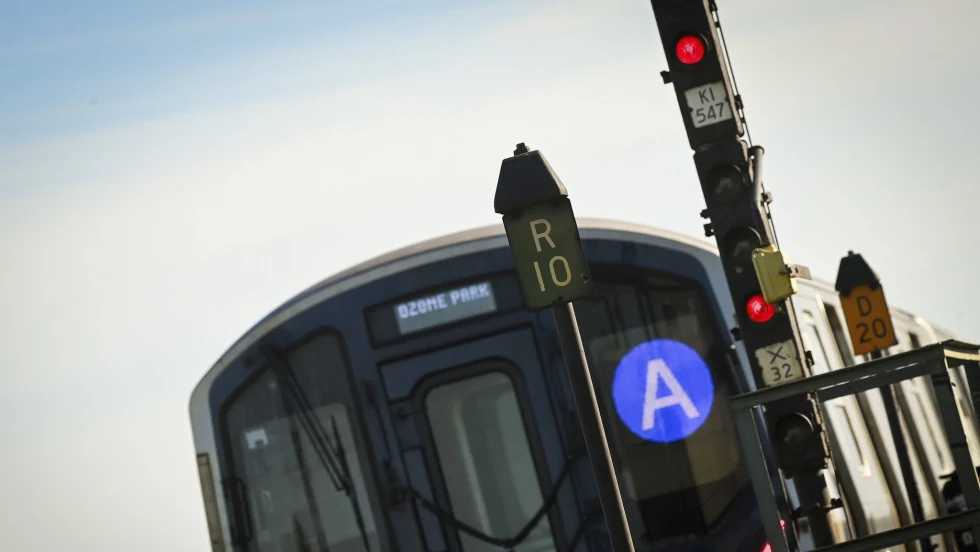
New York MTA Launches Historic $1.9B Signal, Track Modernization Project
Funded in part by congestion pricing revenue, the project will replace nearly century-old signals along the A and C lines in Brooklyn and Queens.
Read More →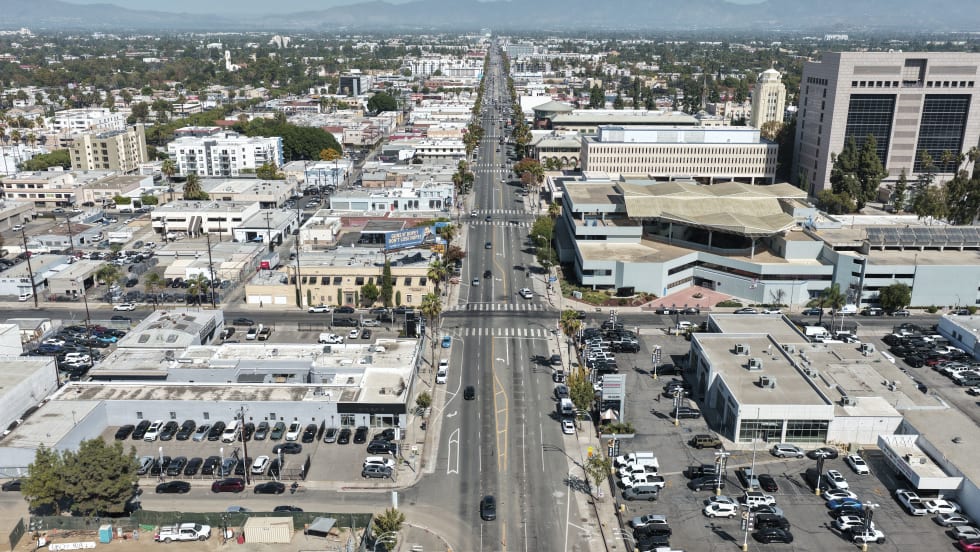
LA Metro Breaks Ground on East San Fernando Valley Light Rail Project
The 6.7-mile line will add 11 stations along Van Nuys Boulevard, expand access to jobs and regional transit connections, and support Metro’s broader efforts to improve mobility as rail ridership grows.
Read More →
CSA Group Releases Climate Resilience Standard for Transit, Passenger Rail
Developed with support from the Standards Council of Canada, CSA D700 guides assessing climate-related risks and planning adaptation measures for transit and passenger rail systems.
Read More →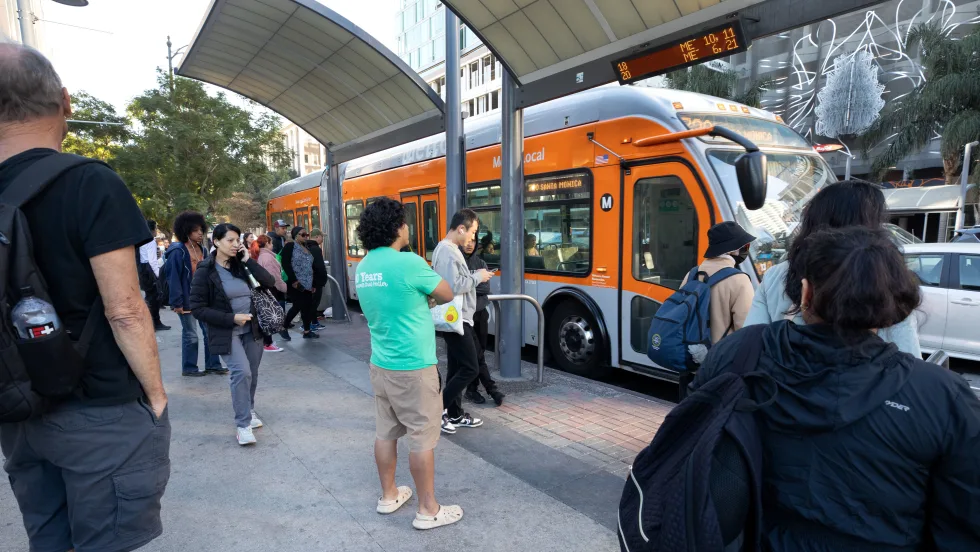
LA Metro September Ridership Climbs 3.9%, Led by Rail Growth
The agency recorded more than 27.2 million boardings, with rail ridership increasing 12.4% year over year and the D Line posting the largest gains.
Read More →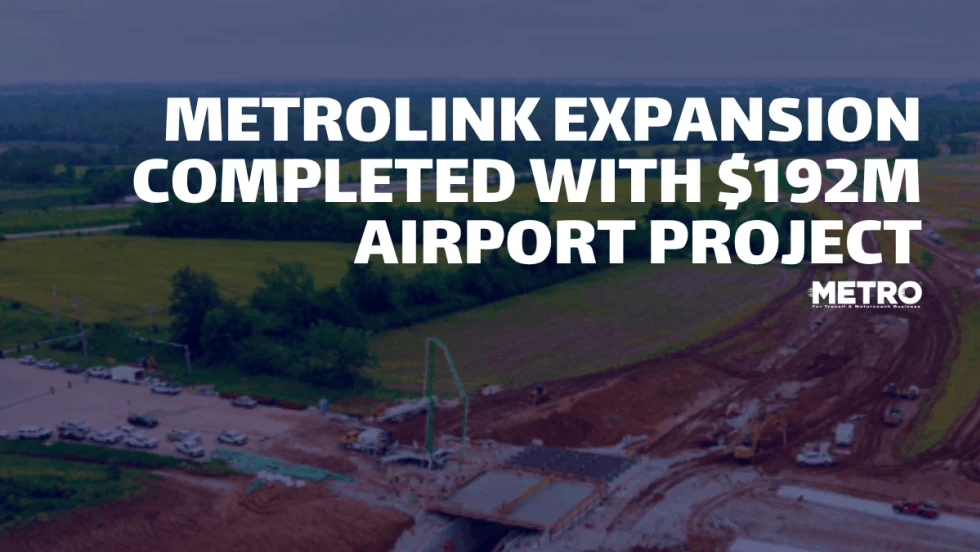
First Full MetroLink Rail Expansion Completed in 20 Years with $192M Airport Project
The project links two St. Louis-area airports by light rail while adding roadway and bike trail connections to improve regional access and mobility.
Read More →
Utilimarc Launches SmartReplace to Optimize Fleet Replacement Decisions
AI-powered SmartReplace helps fleets prioritize vehicle replacements, model budget scenarios, and build more defensible long-term strategies.
Read More →
Scenes from APTA TRANSform & EXPO 2026
Transit leaders, manufacturers, and industry professionals gathered in Chicago to explore new technologies, share ideas, and discuss the future of public transportation.
Read More →
USDOT Awards $416 Million for Florida Rail Crossing Safety Upgrades, New Brightline Station
The projects aim to reduce risks for motorists and pedestrians at rail crossings while expanding passenger rail access along Florida’s Space Coast.
Read More →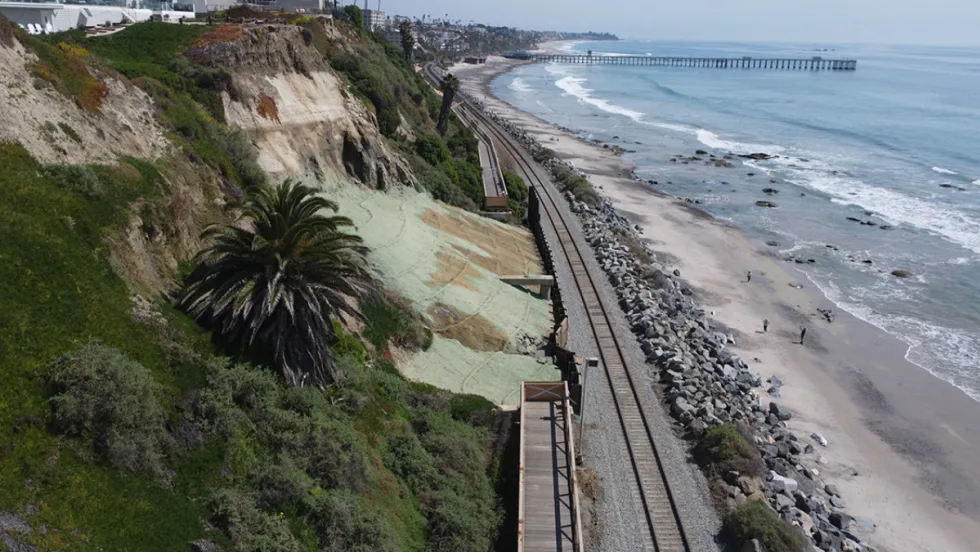
OCTA Declares Emergency to Protect Rail Corridor From Coastal Erosion
The California agency is accelerating shoreline protection and plans to place approximately 690,000 cubic yards of sand along the San Clemente coast to protect a key passenger and freight rail link.
Read More →
More Than a Summer Job: Building the Next Generation of Transit Talent
The Delaware River Port Authority and PATCO have transformed their internship program into a hands-on professional development experience that introduces students to the breadth of transportation careers — and creates a pipeline for future employees.
Read More →