



Question of the Day: EXPO Tuesday
What has changed at your operation since 2011’s EXPO?


Brian Lamb
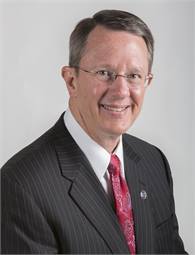
Gary Thomas
Gary Thomas, President/Executive Director
Dallas Area Rapid Transit
Dallas
Connecting our region to the world with the opening of DFW Airport Station in August was a signature moment for DART. Passengers of the world’s third busiest airport are now directly connected to our service area with a single-seat light rail trip to downtown Dallas. The airport station opening also marked the completion of a light rail expansion of nearly 20 miles since the last EXPO in 2011, bringing us to 90 miles.
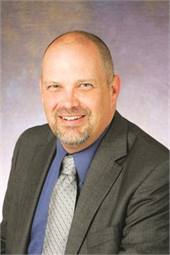
Carl Sedoryk
Carl Sedoryk, GM/CEO
Monterey-Salinas Transit
Monterey, Calif.
Since 2011, we started construction, completed construction, and are now operating the JAZZ bus rapid transit line through four jurisdictions on the Monterey Peninsula. We also started a U-PASS program with California State University, Monterey Bay that generates a quarter million annual passenger boardings.
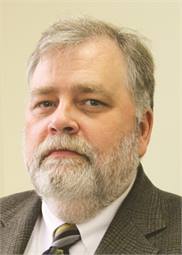
James Gee
James Gee, GM
Toledo Area Regional Transit Authority
Toledo, Ohio
Since Expo 2011, our organization has embraced technology as a way to cut costs, improve operations and provide better service to our customers. Some examples of these improvements include a CAD/AVL system, onboard video cameras and green energy improvements associated with the construction of a new facility. What makes the EXPO so beneficial to our organization is the wide variety of transit products and services in one event, which allows us to be efficient and effective as we collect information on improvements in the future.
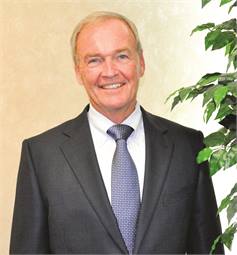
P. Scott Graham
P. Scott Graham, CEO/GM
Omnitrans
San Bernardino, Calif.
The launch of our first BRT line is the most significant change for Omnitrans since 2011. After a decade of preparation, we introduced the sbX green line in April 2013. With it came new technologies and infrastructure including transit signal priority, real-time arrival signs, ticket vending machines, dedicated bus lanes, enhanced stations with public art, and park-and-ride lots. New five-door, 60-foot vehicles offer new amenities for customers including on board Wi-Fi, 110-volt power outlets and a rear-facing wheelchair position. Now we are planning our next rapid transit corridor.
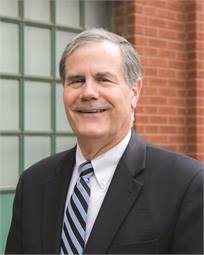
Michael Terry
Michael Terry, President/CEO
Indianapolis Public Transportation Corp. (IndyGo)
Indianapolis
IndyGo has made impressive improvements since the 2011 EXPO. In 2013, our budget was infused with an additional $6 million for frequent service, a new route and additional hours. The changes helped ridership grow with 2013 breaking 10 million for first time since 1990. In September of this year, we broke ground on the Downtown Transit Center, which will greatly enhance the passenger experience, offering real-time arrival information, convenient transfers and an indoor waiting area. We’ve also stabilized our finances, becoming less reliant on federal formula money for operating costs. This success can be partially attributed to our comprehensive wellness program that’s made a dramatic impact on lowering healthcare costs.

Brian Lamb
Brian Lamb, GM
Metro Transit
Minneapolis
Sixty years after streetcars made their final trip between Minneapolis and St. Paul, the METRO Green Line restored rail service between the Twin Cities. Ridership on rail and bus has doubled in the corridor since the Green Line’s June 2014 opening. Express and local bus service has expanded to 2.3 million service hours a year. Significant progress has also been made in fuel and energy efficiency, transit-oriented development, automatic fare payments and equity. To better serve customers, Metro Transit improved its website, including a new mobile platform. Bus rapid transit will soon come to the region’s busiest urban corridors and a major interstate. Two light-rail extensions will be built in the years ahead. Along with this growth in service, Metro Transit has expanded to more than 3,000 employees.
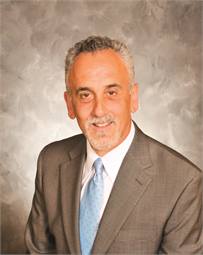
Carm Basile
Carm Basile, CEO
Capital District Transportation Authority
Albany, N.Y.
The Capital District Transportation Authority (CDTA) has come a long way in the last five years with increased ridership, revenue and improved recognition throughout the community. We have adopted an Innovation Platform that is laser-focused on upgrading our services, enhancing our facilities and appearance, while working closely with our customers, stakeholders and partners. All of this is allowing CDTA to be a driving force in mobility, accessibility and economic development across New York’s Capital Region
CDTA has seen significant and consistent gains in ridership due to a reconfigured route network, a focus on improving the customer experience and a commitment to growing our partnership base. This work led to record-breaking ridership of 16.5 million last year and we are on track to serve more than 17 million riders this year. This is made possible through the coordinated efforts of our board of directors and the 650 CDTA employees that work to deliver services every day.
Our Universal Access Program is a key component of our tremendous growth with ridership totaling more than three million last year. These wholesale agreements allow us to offer contracts based on the bulk purchase of rides. CDTA works with more than a dozen colleges and business to provide unlimited access for students and employees. These services connect students and employees to locations throughout the region. These connections often transfer to employment opportunities and long-term use and support of CDTA.
The introduction of upstate New York’s first BRT service has been a game changer for CDTA. BusPlus operates on the busiest travel corridor in the region, which now sees nearly four million riders annually. The service has been so successful that we are finalizing plans for two additional BRT lines that are expected to serve up to 10 million customers each year. The addition of the two new BRT lines will complete a plan for 40 miles of BRT service in the Capital Region and support CDTA’s efforts to provide more mobility choices for the community. It will also extend the reach and importance of transit as a driver of economic opportunity for the people who live in work in this vibrant upstate community.
As the demand for public transit continues to increase across the country, CDTA is working to stay ahead of the curve by offering innovative services and increased options for its customers and our community.
More Bus

New York MTA Plans Largest Bus Fleet Upgrade in More Than a Decade
The agency is seeking manufacturers for 650 new CNG buses to replace aging vehicles, improve reliability, and advance its broader fleet modernization strategy.
Read More →
Building a Flexible Path to Transit Electrification
John Hroncich discusses BAE Systems’ modular and scalable approach, lessons learned from decades of real-world operations, and how agencies can identify electrification strategies that fit their fleets.
Read More →
Bus Tech Talk: Keeping Transit Technicians Ahead of the Technology Curve
LA Metro’s Obed Mejia discusses technician training, evolving maintenance technology, fleet replacement, and strategies for getting the most out of today’s transit fleets.
Read More →
Biz Briefs: RIPTA Unveils New Frontrunners, Clevland RTA Adds New Siemens, and More
In METRO's latest installment, we take a look at recent news from Siemens, Prevost, Dodge, and more partnerships making headlines across the transportation sector.
Read More →
People Movement: Holly Arnold Joins Transdev and More
In this edition, we also cover recent appointments and announcements at Pace, CamTran, MCI, and more, showcasing the individuals helping to shape the future of transportation.
Read More →
The High Cost of Transit Buses: Industry Leaders Look to Procurement Reform
Transit leaders and policymakers examine how standardized bus designs, streamlined procurement, and predictable funding could help agencies stretch budgets and deliver better service.
Read More →
The Business Voice Behind Public Transportation
As chair of APTA’s Business Members Board of Governors, Ray Melleady explains how more than 850 business members are partnering with transit agencies to advance funding, innovation, and industry-wide collaboration.
Read More →
From Surviving to Thriving: Building Stronger Transportation Organizations
Bus Business Consultants founder Brian Dickson shares lessons on leadership, organizational health, and creating options for long-term success in a changing transportation industry.
Read More →
Finding the ‘Happy Medium’: Optimizing Maintenance Without Sacrificing Reliability
The key to maintenance optimization isn’t doing less work—it’s doing the right work at the right time on the right assets.
Read More →
LA Metro, City of West Hollywood, and Partners Advance Smarter Bus Lane Enforcement
The award-winning partnership combines AI-powered detection with human oversight to improve bus reliability, accessibility, and enforcement efficiency.
Read More →