



Report: $2 trillion per year global infrastructure deficit
Finds that the most successful infrastructure projects exist where the private sector has been involved through the full lifecycle of a project in public-private partnerships (PPPs) where the private and public sector cooperate to augment the efficiency of the project.

The World Economic Forum's Positive Infrastructure Report finds that the world faces a global infrastructure deficit of $2 trillion per year over the next 20 years. The report analyzes the four largest infrastructure markets — Brazil, China, India and the U.S. and studies how to best deploy public funds made available through global fiscal stimuli packages to advance the issue of infrastructure development.
The report also identifies the role of the public sector as vital in redressing this deficit. It was apparent from all the regions analyzed that infrastructure development was most successful where the public sector had a clear infrastructure development plan on how infrastructure investments would fit into the national economic development plan and where this infrastructure development plan was coordinated at the highest levels, according to the World Economic Forum.
The report highlights the Eleventh Five Year Plan for Energy development by the National Development and Reform Commission of the People's Republic of China as an example of one such plan which sets specific goals for the development of energy infrastructure in China.
The report delineates a critical difference between developed and developing countries. In developing countries the emphasis of the infrastructure development plan has to be on increasing the capacity of infrastructure systems, while in the developed world the emphasis has to be on optimizing existing infrastructure systems through the use of incentive mechanisms such as congestion pricing and through leveraging advanced technologies in systems management.
Additionally, the report finds that the most successful infrastructure projects exist where the private sector has been involved through the full lifecycle of a project in public-private partnerships (PPPs) where the private and public sector cooperate to augment the efficiency of the project. This finding provides a future vision of private sector involvement where PPPs become a vehicle to promote efficiency gains and not fill public sector capacity gaps.
To view the full report, click here.
More Bus

Biz Briefs: STV teams with Amtrak, Motorcoach Operators Boost Fleet and Land Contracts, and More
From manufacturers and suppliers to transit agencies and motorcoach operators, these updates offer a snapshot of the projects, partnerships and business moves driving the industry forward.
Read More →
LA Metro Marks Banner Year, Sets Ambitious Goals for New Fiscal Year
Incoming LA Metro Board Chair and Los Angeles Mayor Karen Bass joined outgoing Board Chair Fernando Dutra and LA Metro CEO Stephanie Wiggins to review accomplishments from fiscal year 2026, which included the opening of new rail extensions, advancement of major transit projects, expanded safety programs, and new rider amenities.
Read More →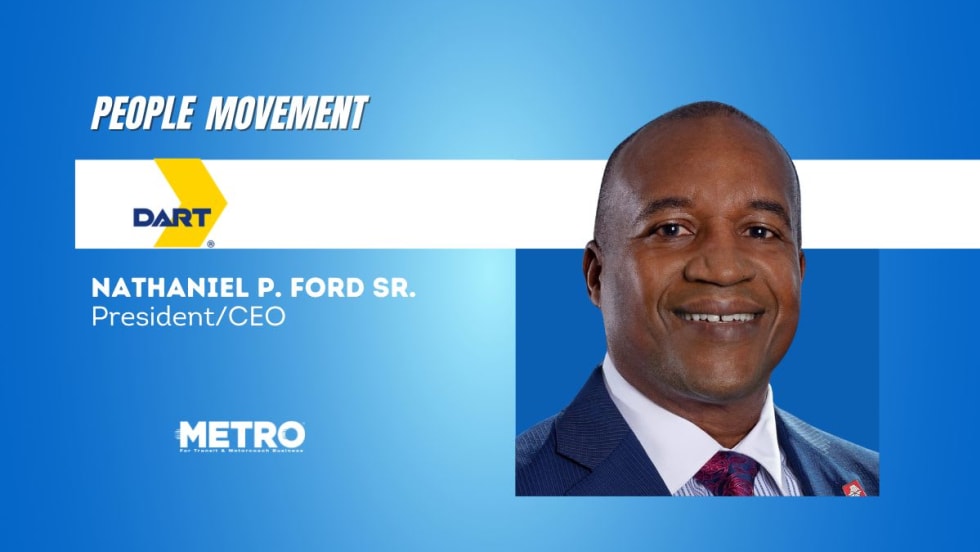
DART Taps Nathaniel P. Ford Sr. as Next President/CEO
Since 2012, Ford has served as the CEO of the Jacksonville Transportation Authority
Read More →
AC Transit’s Cecil Blandon on Building the Next Generation of Transit Maintenance Leaders
The agency’s maintenance chief discusses leadership, workforce development, zero-emission technology, and preparing technicians for the future of public transportation.
Read More →
Building the Next Generation of Transit Technology
In this edition of METROspectives, Luminator CEO Magnus Friberg discusses the company's transformation, the growing role of AI and software, and what's next for transit technology.
Read More →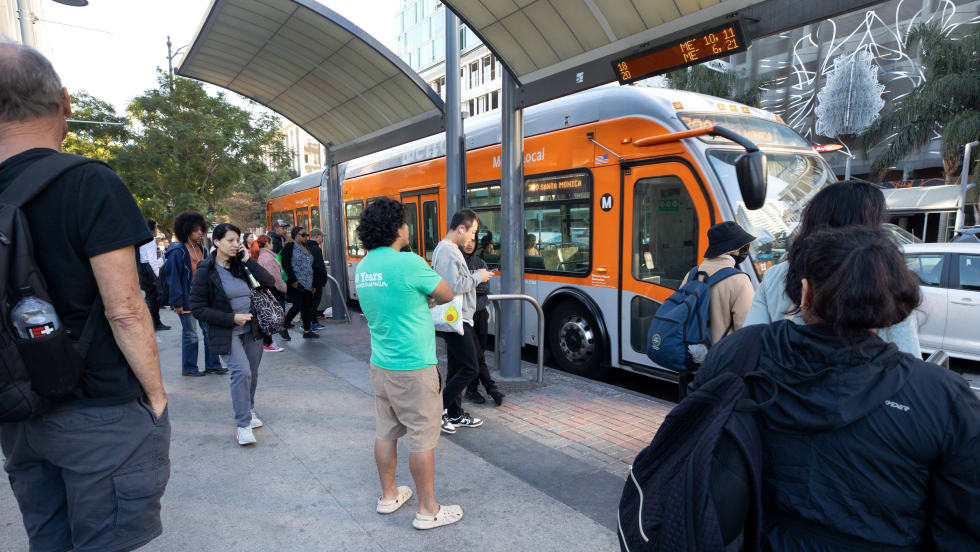
June LA Metro Ridership Surges 2 Million Year Over Year
Total June ridership increased for both weekdays and weekends. Weekday ridership was 953,820, which grew 8.4% from June 2025; Saturdays increased nearly 13% year-over-year to 708,826; and Sundays increased 7.7% to 611,534 from June 2025, according to LA Metro.
Read More →
Washington's Pierce Transit Board Sends Transit Funding Measure to November Ballot
With the adoption of Resolution 2026-006, the measure moves to the Pierce County Auditor, giving voters in the Pierce Transit service area the decision on whether to fund an expansion of local transit service within the agency’s service area.
Read More →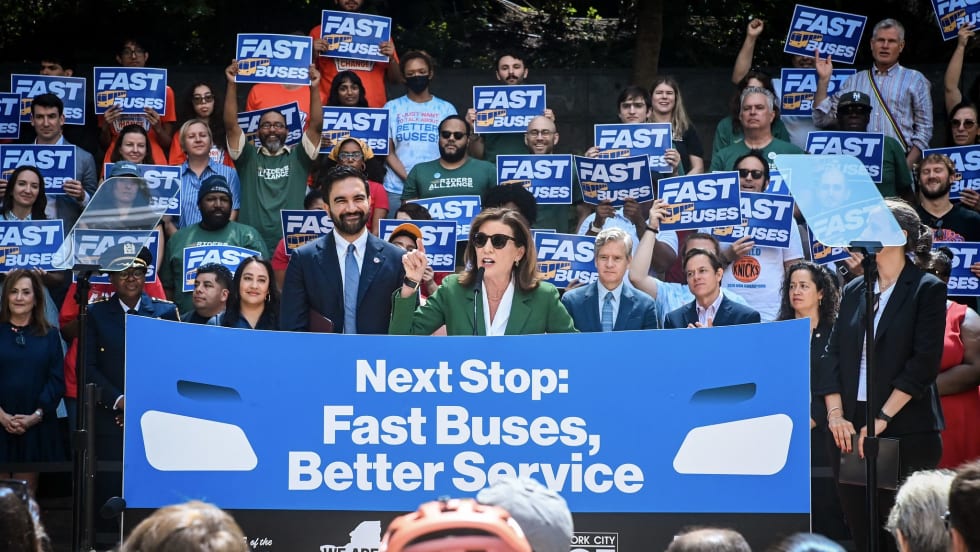
New York Unveils Sweeping Plan to Modernize City Bus Service
Next Stop: Fast Buses, Better Service identifies 50 priority bus corridors for improvements across the five boroughs and launches the City’s next generation of rapid bus service along five key routes.
Read More →
CTDOT Taps STV for Electric Bus Facility Design
The firm will work with CTDOT and RVT to define the facility layout, operational requirements, and long-term flexibility for RVT’s growing electric fleet.
Read More →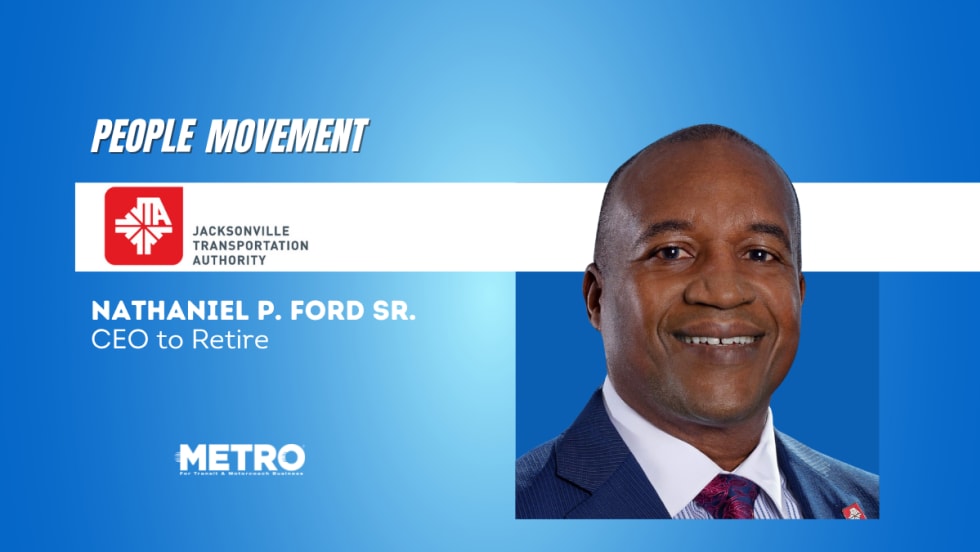
Ford to Leave JTA After More Than 10 Years as CEO
He plans to continue his work advancing innovative mobility solutions to improve the quality of life in communities across the nation. He did not announce specific plans.
Read More →