



Report probes land 'value capture' to fund transit
Five mechanisms are evaluated in depth, including tax increment financing, special assessment districts, transit impact fees, joint developments and air rights. The report includes policy recommendations.

The Mineta Transportation Institute released its newest research report, “Decision Support Framework for Using Value Capture to Fund Public Transit: Lessons from Project-Specific Analysis,” which investigates the viability of land "value capture" (VC) to help generate revenue for transit provision.
Five VC mechanisms are evaluated in depth, including tax increment financing (TIF), special assessment districts (SADs), transit impact fees, joint developments and air rights. The report includes policy recommendations.
"This report reviews five VC mechanisms and evaluates the performance of each one through numerous case studies using several criteria," said Dr. Shishir Mathur, one of the authors of the study. "These criteria include enabling legal environment, stakeholder support, institutional capacity, revenue yield, revenue stability and equity. We also developed a decision-support matrix to help policy makers, local governments, and transit agencies decide which mechanism or which combination of mechanisms would meet their needs."
Dr. Mathur noted the federal government has reinforced the need to integrate land use with transportation and to provide public transit. However, fiscal belt-tightening at all levels of government has made it more urgent to identify alternate funding sources for public transportation. He said funding transit is especially difficult because transit typically requires large subsidies. Value capture is one possible funding source. Based on the "benefits received" principle, VC captures public infrastructure-led increases in land value.
The report had several findings. Among them:
Revenue yield from TIF and SADs is likely to be the highest among the five VC mechanisms.
Local governments often use a combination of two VC mechanisms. For example, TIF and SAD fund the Portland, Ore. Central Streetcar Project, while TIF and joint development fund Contra Costa Centre Transit Village in Contra Costa County, Calif. and the Ground Transportation Center in Cedar Rapids, Iowa.
Using TIF requires significant institutional capacity, community support, and agreement among taxing agencies.
Transit impact fees are rarely used. Their use benefits from state- and local-level enabling legislation, robust nexus studies, a strong real estate market, and developer support.
Transit impact fees and SADs must be carefully designed and implemented to minimize inequities.
Strong real estate markets, significant institutional capacity, and clear policy guidelines are needed to undertake joint development.
The authors recommend that local governments and transit agencies consider using VC mechanisms to fund public transit. Then they can leverage the income generated from these mechanisms to secure federal and state funds. Further, jurisdictions should determine the existence of enabling legal environment, stakeholder support, and institutional capacity before deciding which one or which combination of VC mechanisms to use.
Finally, the agencies responsible for implementing the VC mechanisms would benefit from clear political direction and policy guidelines that balance a jurisdiction's transit funding needs with other competing objectives.
More Rail
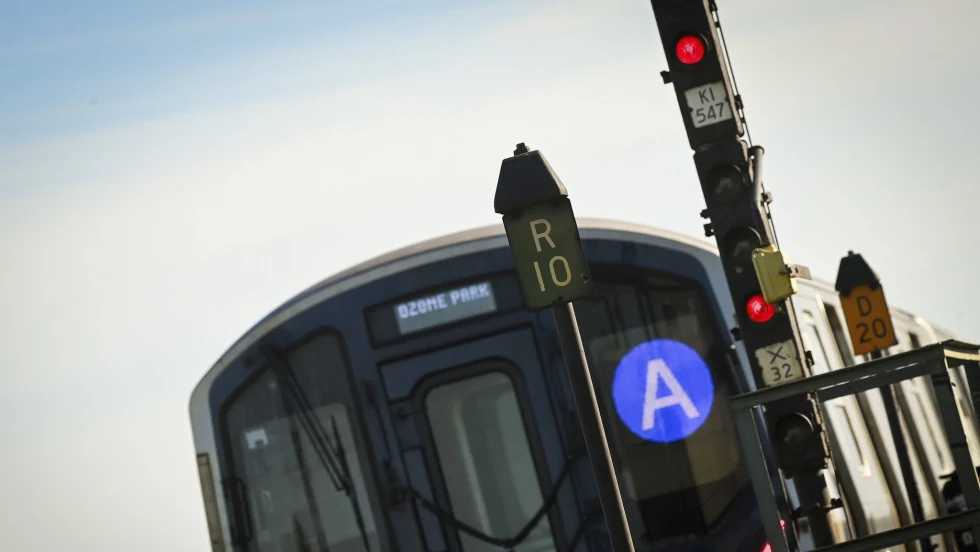
New York MTA Launches Historic $1.9B Signal, Track Modernization Project
Funded in part by congestion pricing revenue, the project will replace nearly century-old signals along the A and C lines in Brooklyn and Queens.
Read More →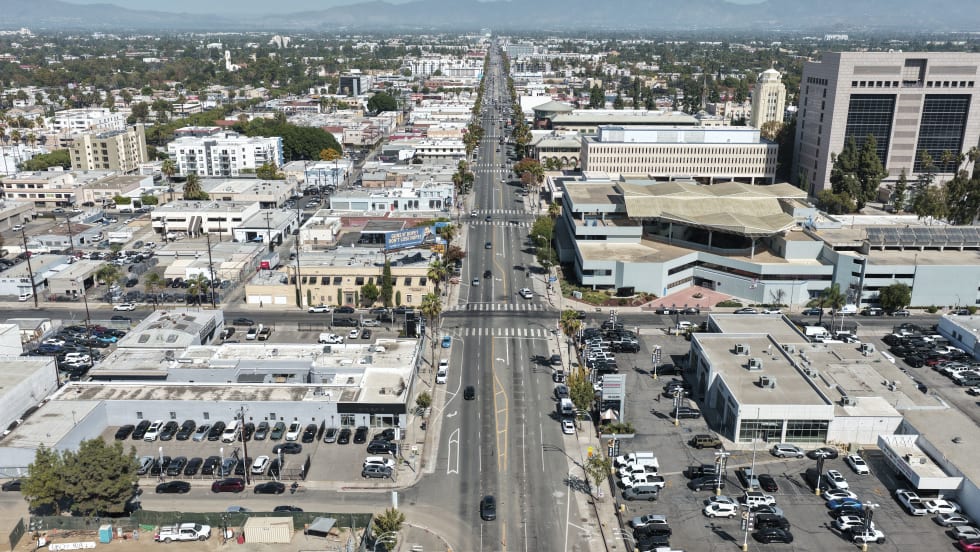
LA Metro Breaks Ground on East San Fernando Valley Light Rail Project
The 6.7-mile line will add 11 stations along Van Nuys Boulevard, expand access to jobs and regional transit connections, and support Metro’s broader efforts to improve mobility as rail ridership grows.
Read More →
CSA Group Releases Climate Resilience Standard for Transit, Passenger Rail
Developed with support from the Standards Council of Canada, CSA D700 guides assessing climate-related risks and planning adaptation measures for transit and passenger rail systems.
Read More →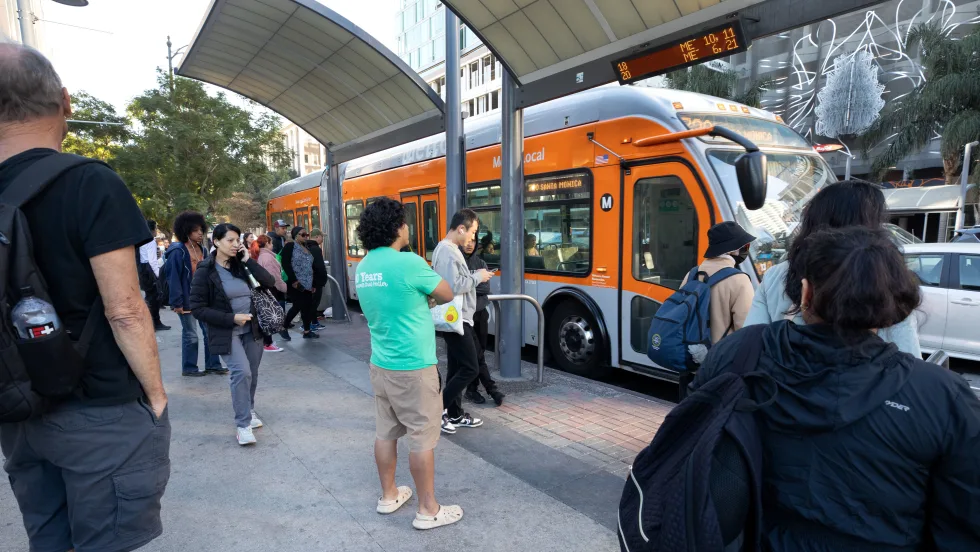
LA Metro September Ridership Climbs 3.9%, Led by Rail Growth
The agency recorded more than 27.2 million boardings, with rail ridership increasing 12.4% year over year and the D Line posting the largest gains.
Read More →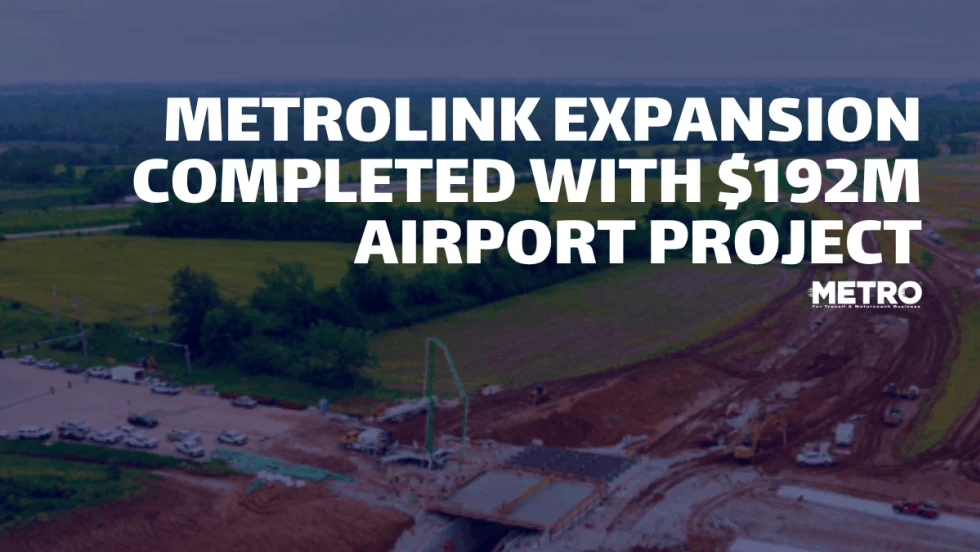
First Full MetroLink Rail Expansion Completed in 20 Years with $192M Airport Project
The project links two St. Louis-area airports by light rail while adding roadway and bike trail connections to improve regional access and mobility.
Read More →
Utilimarc Launches SmartReplace to Optimize Fleet Replacement Decisions
AI-powered SmartReplace helps fleets prioritize vehicle replacements, model budget scenarios, and build more defensible long-term strategies.
Read More →
Scenes from APTA TRANSform & EXPO 2026
Transit leaders, manufacturers, and industry professionals gathered in Chicago to explore new technologies, share ideas, and discuss the future of public transportation.
Read More →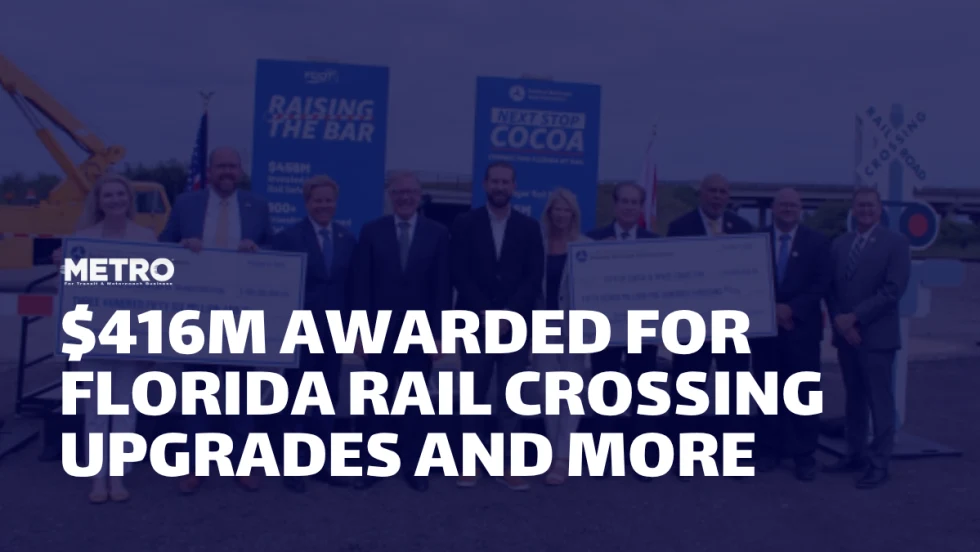
USDOT Awards $416 Million for Florida Rail Crossing Safety Upgrades, New Brightline Station
The projects aim to reduce risks for motorists and pedestrians at rail crossings while expanding passenger rail access along Florida’s Space Coast.
Read More →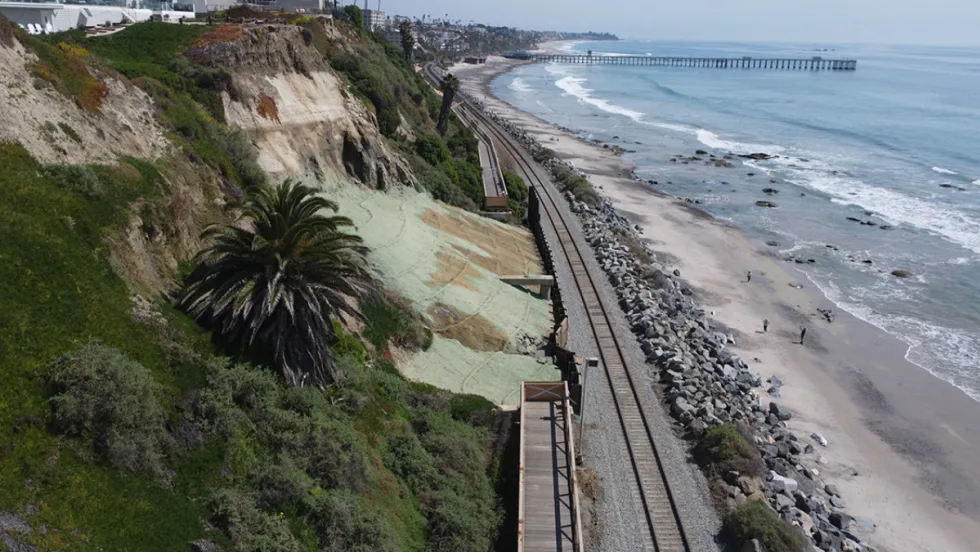
OCTA Declares Emergency to Protect Rail Corridor From Coastal Erosion
The California agency is accelerating shoreline protection and plans to place approximately 690,000 cubic yards of sand along the San Clemente coast to protect a key passenger and freight rail link.
Read More →
More Than a Summer Job: Building the Next Generation of Transit Talent
The Delaware River Port Authority and PATCO have transformed their internship program into a hands-on professional development experience that introduces students to the breadth of transportation careers — and creates a pipeline for future employees.
Read More →