




RELATED: RT votes to drastically slash student prices to boost ridership
Sacramento RT awards contract for bus route optimization study
Jarrett Walker + Associates will evaluate SacRT’s existing service conditions, as well as current travel patterns, to determine the type of design changes to recommend.
December 15, 2017

JWA will begin work on the ROS in January with SacRT’s team, and it’s expected to take approximately 12 months to complete.
RT
2 min to read
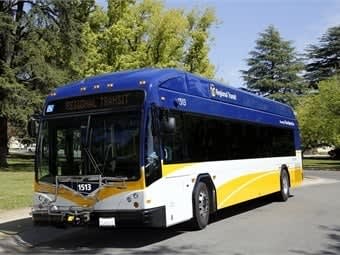
JWA will begin work on the ROS in January with SacRT’s team, and it’s expected to take approximately 12 months to complete.
RT
The Sacramento Regional Transit District (SacRT) board of directors awarded a $400 thousand contract to Jarrett Walker + Associates (JWA ) to conduct a Route Optimization Study (ROS).
Under the guidance of Jarrett Walker, JWA was responsible for successfully re-imagining Houston Metro and for leading a Comprehensive Operational Analysis of the public transit network in Indianapolis. Closer to home, JWA is credited with developing “Next Network” a Transit Ridership Improvement Program that was rolled out for the Santa Clara Valley Transportation Authority.
The ROS will evaluate SacRT’s existing service conditions, as well as current travel patterns, to determine the type of design changes to recommend. The goal is to provide frequent service on bus routes that are traveling to destinations where people want to go. New transit trends, such as on-demand bus service using a smartphone app and zero-emission bus deployment, will be evaluated for possible inclusion into SacRT’s service design.
“Our number one priority is to significantly improve mobility and connectivity in the Sacramento region for years to come,” said GM/CEO Henry Li. “Improving accessibility and convenience is essential, if we are to become a world-class transit system in the Sacramento region.”
JWA, a Portland, Ore.-based company, will rely on AIM Consulting, a Sacramento public relations firm, to manage local community outreach for the ROS. AIM intends to outreach to passengers and non-transit users alike during two intense cycles that will be defined through a Public Engagement Plan. Community input will be a major component of the study, and JWA has committed to creating compelling visuals to effectively engage the public. Virtual workshops and online surveys will be major components of the outreach effort.
JWA will begin work on the ROS in January with SacRT’s team, and it’s expected to take approximately 12 months to complete.
More Bus

New York MTA Plans Largest Bus Fleet Upgrade in More Than a Decade
The agency is seeking manufacturers for 650 new CNG buses to replace aging vehicles, improve reliability, and advance its broader fleet modernization strategy.
Read More →
Building a Flexible Path to Transit Electrification
John Hroncich discusses BAE Systems’ modular and scalable approach, lessons learned from decades of real-world operations, and how agencies can identify electrification strategies that fit their fleets.
Read More →
Bus Tech Talk: Keeping Transit Technicians Ahead of the Technology Curve
LA Metro’s Obed Mejia discusses technician training, evolving maintenance technology, fleet replacement, and strategies for getting the most out of today’s transit fleets.
Read More →
Biz Briefs: RIPTA Unveils New Frontrunners, Clevland RTA Adds New Siemens, and More
In METRO's latest installment, we take a look at recent news from Siemens, Prevost, Dodge, and more partnerships making headlines across the transportation sector.
Read More →
People Movement: Holly Arnold Joins Transdev and More
In this edition, we also cover recent appointments and announcements at Pace, CamTran, MCI, and more, showcasing the individuals helping to shape the future of transportation.
Read More →
The High Cost of Transit Buses: Industry Leaders Look to Procurement Reform
Transit leaders and policymakers examine how standardized bus designs, streamlined procurement, and predictable funding could help agencies stretch budgets and deliver better service.
Read More →
The Business Voice Behind Public Transportation
As chair of APTA’s Business Members Board of Governors, Ray Melleady explains how more than 850 business members are partnering with transit agencies to advance funding, innovation, and industry-wide collaboration.
Read More →
From Surviving to Thriving: Building Stronger Transportation Organizations
Bus Business Consultants founder Brian Dickson shares lessons on leadership, organizational health, and creating options for long-term success in a changing transportation industry.
Read More →
Finding the ‘Happy Medium’: Optimizing Maintenance Without Sacrificing Reliability
The key to maintenance optimization isn’t doing less work—it’s doing the right work at the right time on the right assets.
Read More →
LA Metro, City of West Hollywood, and Partners Advance Smarter Bus Lane Enforcement
The award-winning partnership combines AI-powered detection with human oversight to improve bus reliability, accessibility, and enforcement efficiency.
Read More →