



San Antonio's VIA celebrates 1,000th bus stop improvement
In keeping with VIA’s ongoing commitment to support local, small, and minority-owned businesses, nearly all of the contracts awarded for VIA’s Passenger Amenities Program went to locally-owned businesses and/or certified DBEs/SBEs.

The shelter program had a total project cost of $12.4 million. Approximately 73% of the work done in connection with the program went to DBE/SBE companies.
Via
The shelter program had a total project cost of $12.4 million. Approximately 73% of the work done in connection with the program went to DBE/SBE companies.
Via
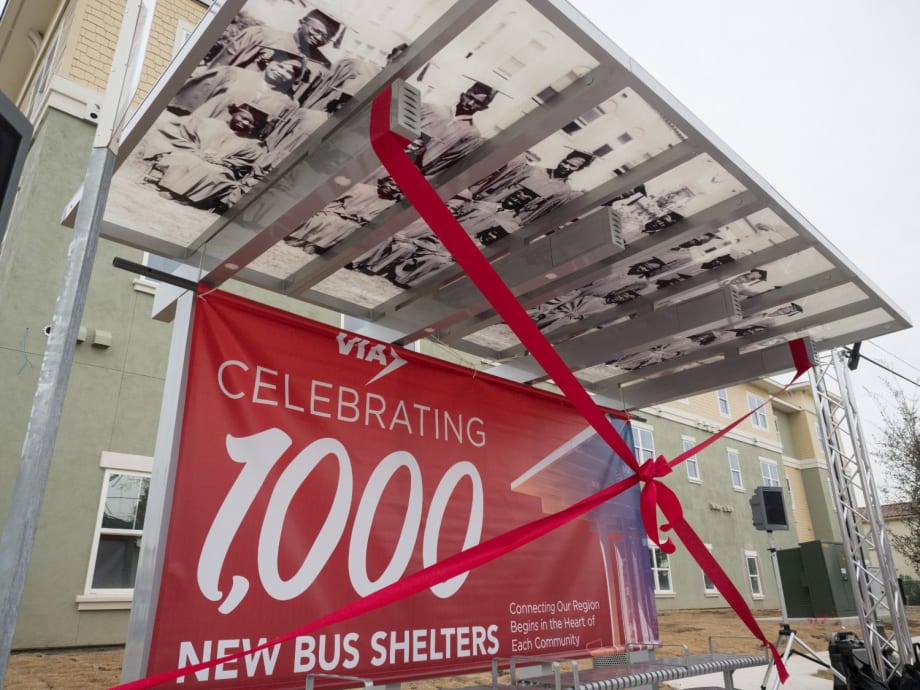
San Antonio’s VIA Metropolitan Transit is celebrating a major milestone with the dedication of its 1,000th new “Next-Gen” bus stop improvement. The shelter is part of VIA’s ongoing Passenger Amenities Improvement Program that includes the enhancement of 1,000 existing bus stops throughout the VIA service area.
With the completion of this stop, VIA now provides sheltered locations for 95% of boardings throughout its system. In keeping with VIA’s ongoing commitment to support local, small, and minority-owned businesses, nearly all of the contracts awarded for VIA’s Passenger Amenities Program went to locally-owned businesses and/or certified DBEs/SBEs.
“The flexible modular concept allows scalability to serve differing activity needs tailored to each bus stop, and is designed to incorporate elements to reflect the cultural fabric of area parks, neighborhoods, places of interest, and historic sites,” VIA President/CEO Jeffrey C. Arndt said. “As we plan for the transportation needs of our region, we ensure that our customers’ quality of life is enhanced with every project VIA pursues. Our priority is to connect our communities to opportunity and support economic vitality.”
The 1,000th bus stop improvement brings the total number of sheltered stops in the VIA service area to more than 2,200. The program goal of 1,000 new bus shelters system-wide was set in mid-2014.
Streamlined and modern, the new Next-Gen shelter design provides comfortable, covered seating and sidewalk and ADA improvements to assist all passengers in making travel safer and connections smoother. In 2018, VIA will begin retrofitting Next-Gen shelters with solar-powered lighting for added comfort and visibility.
The shelter program had a total project cost of $12.4 million. Approximately 73% of the work done in connection with the program went to DBE/SBE companies.
More Management
COTA Launches First Customer Experience Action Plan to Improve Transit Service
The new plan outlines improvements to service reliability, accessibility, communication, and the overall rider experience across Central Ohio's transit system.
Read More →
LA Metro September Ridership Climbs 3.9%, Led by Rail Growth
The agency recorded more than 27.2 million boardings, with rail ridership increasing 12.4% year over year and the D Line posting the largest gains.
Read More →
Utilimarc Launches SmartReplace to Optimize Fleet Replacement Decisions
AI-powered SmartReplace helps fleets prioritize vehicle replacements, model budget scenarios, and build more defensible long-term strategies.
Read More →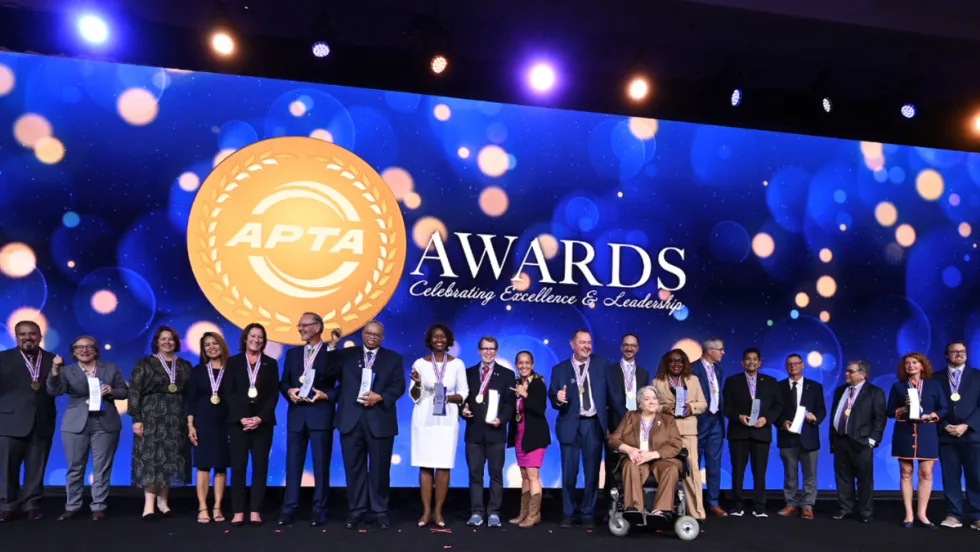
APTA Honors 2026 Award Winners, Hall of Fame Inductees at TRANSform & EXPO
Innovations in autonomous and zero-emission transportation, standout transit systems, and industry leadership took center stage among this year's honorees.
Read More →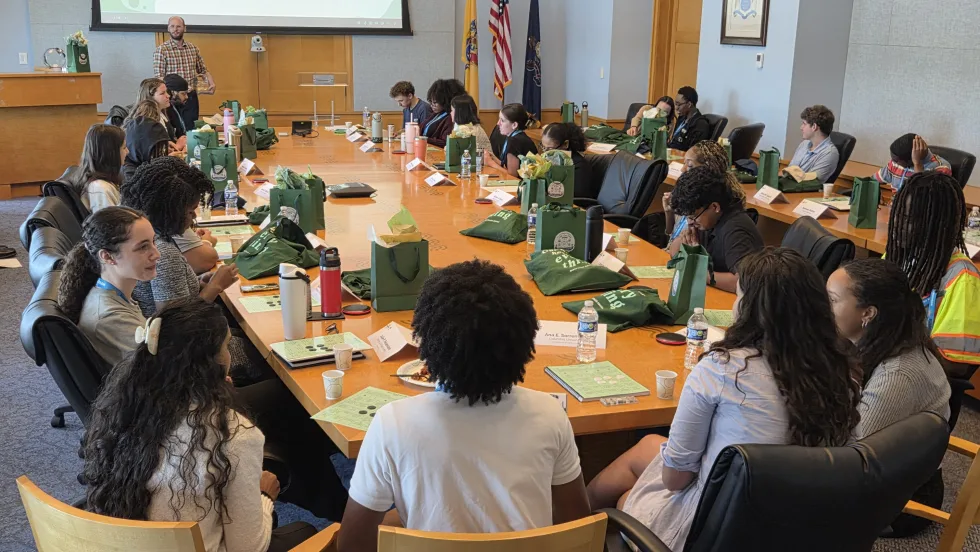
7 Ways to Build a Better Transit Internship Program
Lessons from DRPA/PATCO’s approach to creating a meaningful internship experience—and developing the next generation of transportation professionals.
Read More →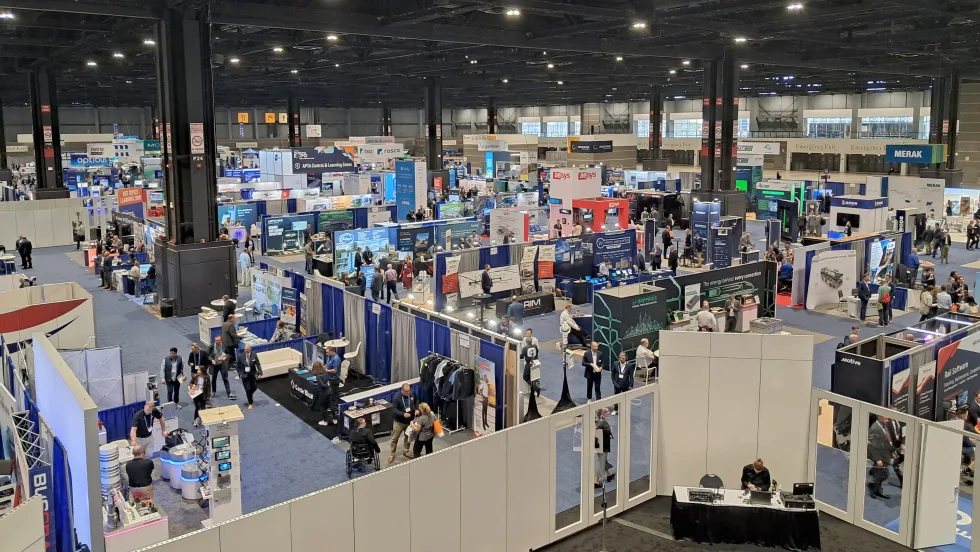
Scenes from APTA TRANSform & EXPO 2026
Transit leaders, manufacturers, and industry professionals gathered in Chicago to explore new technologies, share ideas, and discuss the future of public transportation.
Read More →
Building Stronger Leaders, More Resilient Transit Teams
Dr. Carol Parker Walsh discusses leadership development, employee retention, workplace culture, and preparing transit’s workforce for AI and automation.
Read More →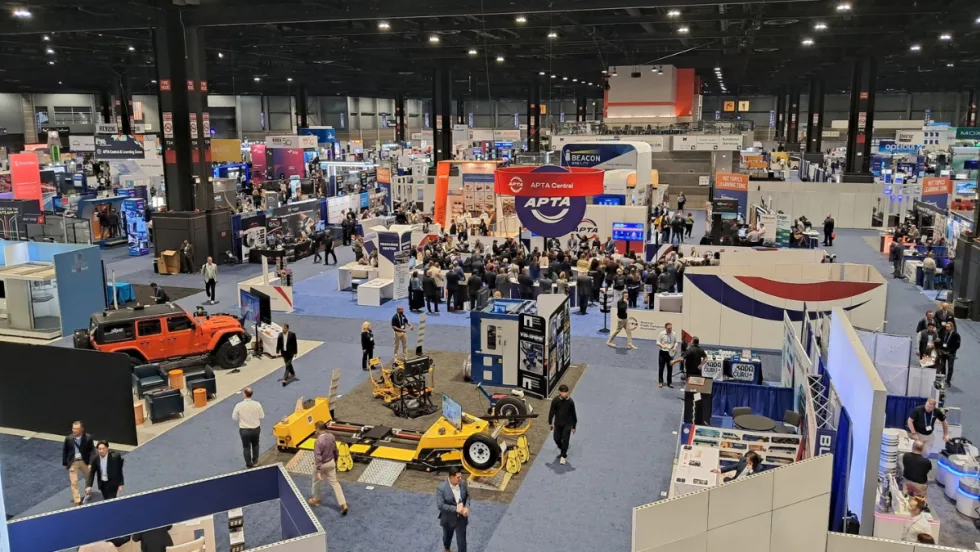
APTA 2026 TRANSform & EXPO Kicks Off in Chicago
After 45 years, APTA returns to Chicago with a focus on next-generation fleets, AI, connected transit networks, and the funding strategies shaping public transportation’s future.
Read More →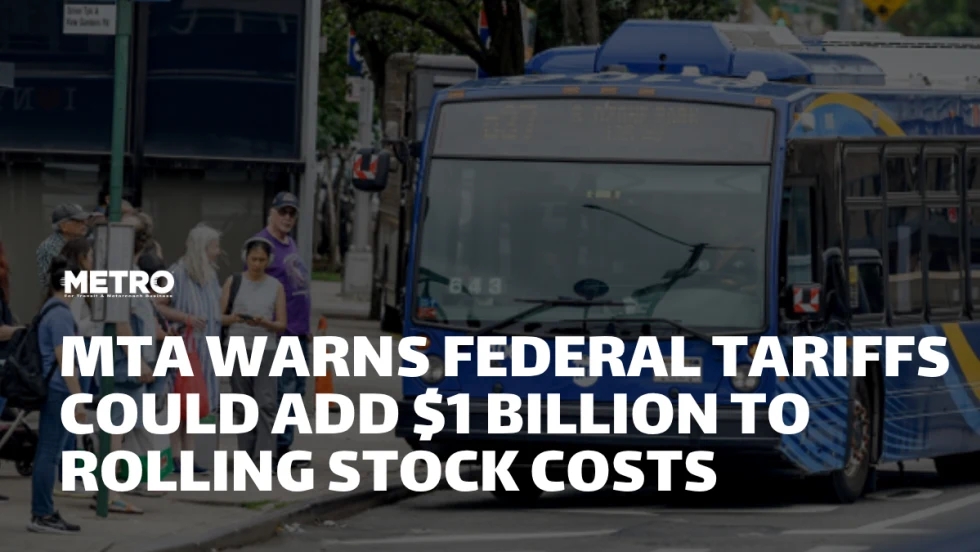
New York MTA Warns Federal Tariffs Could Add $1 Billion to Rolling Stock Costs
The agency said tariffs on specialized imported components could reduce the purchasing power of its $23 billion investment in new subway cars, railcars, and buses.
Read More →
From the Show Floor: What Happened at APTA TRANSform & EXPO 2026
See the latest product launches, partnerships, technology updates, and transit industry announcements from APTA TRANSform & EXPO in Chicago.
Read More →