



Seon Brings 360° Vision to School Bus & Transit Fleets
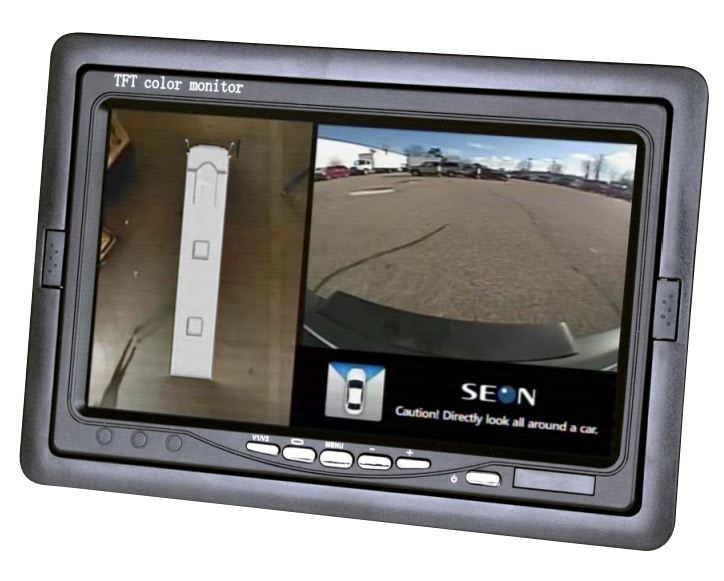
The inView 360 Around Vehicle Monitoring (AVM) System eliminates dangerous vehicle blind spots that threaten student and pedestrian safety is now available for the school bus and transit fleet markets.

Seon
Seon
Seon, provider of mobile video surveillance and fleet management solutions, announced the launch of its inView 360 Around Vehicle Monitoring (AVM) System, which eliminates dangerous vehicle blind spots that threaten student and pedestrian safety, into the school bus and transit fleet markets.
“Traditional mirror and rear-vision camera technology still leave students and pedestrians walking near a school or transit bus vulnerable to dangerous blind spots, “ says Tom Gill, president of Seon. “inView 360 gives drivers a real-time 360 degree bird’s eye view of their surroundings to prevent accidents and improve pedestrian safety.”
Four cameras strategically placed around the vehicle capture a 195-degree ultra-wide-angle view of the front, rear, driver and curb side of the vehicle. These four views are blended and stitched together in an Electronic Control Unit and then displayed to the driver in real-time as a single ‘top-view’ image on a dash-mounted monitor. A split screen shows drivers both the bird’s eye view around the vehicle, plus a second view that changes depending on operating conditions. For example, when the vehicle is in reverse, the rear-camera view displays on the right side of the monitor with colored guidelines to help drivers navigate tight parking spots.
When combined with a digital video recorder, the views on the display can be recorded and reviewed by fleet managers to easily identify the cause of an accident. Playback software displays multiple camera angles and audio synchronized with vehicle telemetry data such as brake signals, vehicle speed, and GPS location giving fleet managers verifiable evidence to prove false claims and reduce insurance costs.
“The desire to improve driver visibility is the core value behind the development of the inView 360 AVM system,” adds Kevin Brady, inView 360 Product Manager. “If we can give drivers a better view of their surroundings, they can avoid costly accidents and prevent vehicle damage, saving the lives of pedestrians and reducing fleet liability and insurance costs.”
The inView 360 system is also available for commercial and emergency vehicles. To learn more, visit www.seon.com/products/collision-avoidance-systems/inview-360
More Bus

New York MTA Plans Largest Bus Fleet Upgrade in More Than a Decade
The agency is seeking manufacturers for 650 new CNG buses to replace aging vehicles, improve reliability, and advance its broader fleet modernization strategy.
Read More →
Building a Flexible Path to Transit Electrification
John Hroncich discusses BAE Systems’ modular and scalable approach, lessons learned from decades of real-world operations, and how agencies can identify electrification strategies that fit their fleets.
Read More →
Bus Tech Talk: Keeping Transit Technicians Ahead of the Technology Curve
LA Metro’s Obed Mejia discusses technician training, evolving maintenance technology, fleet replacement, and strategies for getting the most out of today’s transit fleets.
Read More →
Biz Briefs: RIPTA Unveils New Frontrunners, Clevland RTA Adds New Siemens, and More
In METRO's latest installment, we take a look at recent news from Siemens, Prevost, Dodge, and more partnerships making headlines across the transportation sector.
Read More →
People Movement: Holly Arnold Joins Transdev and More
In this edition, we also cover recent appointments and announcements at Pace, CamTran, MCI, and more, showcasing the individuals helping to shape the future of transportation.
Read More →
The High Cost of Transit Buses: Industry Leaders Look to Procurement Reform
Transit leaders and policymakers examine how standardized bus designs, streamlined procurement, and predictable funding could help agencies stretch budgets and deliver better service.
Read More →
The Business Voice Behind Public Transportation
As chair of APTA’s Business Members Board of Governors, Ray Melleady explains how more than 850 business members are partnering with transit agencies to advance funding, innovation, and industry-wide collaboration.
Read More →
From Surviving to Thriving: Building Stronger Transportation Organizations
Bus Business Consultants founder Brian Dickson shares lessons on leadership, organizational health, and creating options for long-term success in a changing transportation industry.
Read More →
Finding the ‘Happy Medium’: Optimizing Maintenance Without Sacrificing Reliability
The key to maintenance optimization isn’t doing less work—it’s doing the right work at the right time on the right assets.
Read More →
LA Metro, City of West Hollywood, and Partners Advance Smarter Bus Lane Enforcement
The award-winning partnership combines AI-powered detection with human oversight to improve bus reliability, accessibility, and enforcement efficiency.
Read More →