



Speed, Worn Tires Among Causes of Fatal California Bus Crash, NTSB Determines
The 30-passenger bus, operated by Executive Lines Inc., was traveling southbound in the rain on Interstate 15 near Pala Mesa, Calif., on Feb. 22, 2020, when the driver lost control of the vehicle.
Excessive speed on a wet roadway, inadequate tire tread depth, and inappropriate driver inputs caused a fatal bus crash in Southern California, the National Transportation Safety Board (NTSB) announced in a public meeting.
“This fatal crash serves as a stark reminder: seatbelts save lives and certain weather and road conditions require drivers to slow down,” said NTSB Chair Jennifer Homendy. “But bus operators also have an enormous safety responsibility to know — and follow — applicable laws, maintain their fleet, and ensure safe speeds for conditions, as well as adequate driver training.”
The 30-passenger bus, operated by Executive Lines Inc., was traveling southbound in the rain on Interstate 15 near Pala Mesa, Calif., on Feb. 22, 2020, when the driver lost control of the vehicle. The bus left the roadway, rolled upside-down, back to an upright position, and then back to the roof-down position in which it came to rest on an embankment. Three of the 20 passengers died, 12 others were seriously injured; the driver and five passengers had minor injuries.
In a post-crash examination of the vehicle, investigators found that the tread depths on two of the inside rear tires were lower than the minimum allowed by federal law. The NTSB said this condition, as well as outside rear tires with marginal tread depths, adversely affected the stability of the bus and contributed to the loss of control.
The NTSB said that “to remain relevant, regulations associated with safe vehicles must change over time,” and recommended that the National Highway Traffic Safety Administration (NHTSA) sponsor research to determine the appropriate minimum tread depth for commercial vehicles. It also asked NHTSA and the Federal Motor Carrier Safety Administration to use the results of that research to update the tread depth standard that has been unchanged since 1974.
Data from the engine control module showed the bus was traveling at 73 to 75 miles per hour moments before the loss of control that precipitated the crash, which investigators said was too fast for the wet roadway and vehicle conditions.
Piecing together data downloaded from the bus, tire marks on the road, and interviews with the driver, investigators concluded that the driver took two critical actions — sustained braking and steering inputs inconsistent with what would be needed to keep the bus on the road — that contributed to the loss of control. The NTSB recommended that motorcoach industry associations encourage their member organizations to create policies on speed and safe driving in inclement weather conditions.
Survival factors investigators found that only one of the 20 passengers was known to have used the available lap/shoulder belts. The motor carrier’s management said it was unaware of California’s law requiring carriers to inform passengers about the state’s mandatory seat belt law, and it did not provide a pre-trip briefing or signage to inform passengers of required use of seat belts.
Investigators said that the use of properly worn restraint systems would have reduced the risk of serious injury and death. The NTSB recommended that the California Highway Patrol develop and implement a program to increase awareness of the requirement for a pre-trip safety briefing and/or signage about the mandatory seat belt use law and expand terminal inspection procedures to verify carriers’ adherence to those laws.
The NTSB issued a total of three recommendations to the CHP, three to the American Bus Association and the United Motorcoach Association, one to FMCSA, one to the state of California, and two new and one reiterated recommendation to NHTSA.
The executive summary, probable cause, findings, and safety recommendations are in the report abstract available on the investigation web page.
More Motorcoach
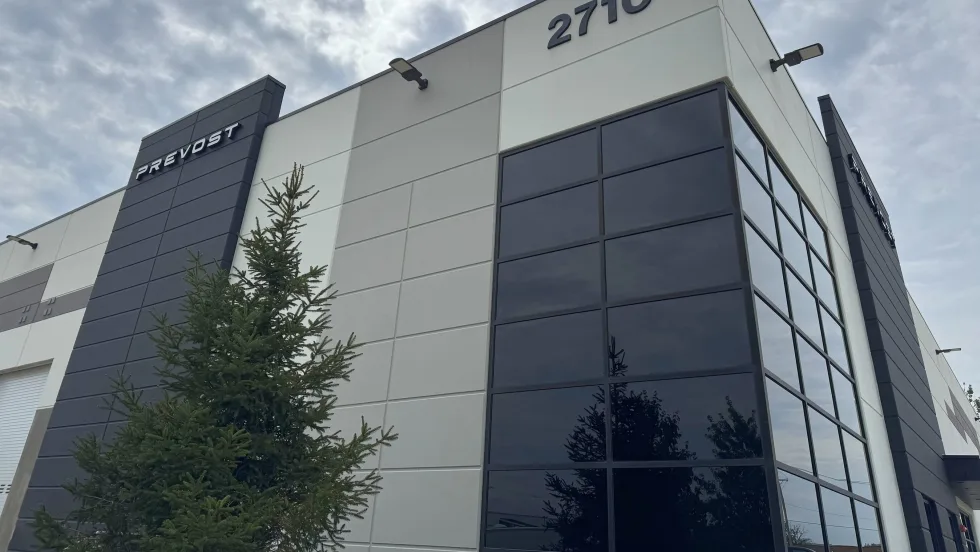
Prevost Opens Expanded Chicago-Area Service Center
The $8.1 million Elk Grove Village investment nearly triples facility space while adding service capacity, parts storage, and customer amenities.
Read More →
People Movement: Dan Dipert Coaches Adds Third-Generation Leader, Keolis Names New Valley Metro VP/GM, and More
In this edition, we also cover recent appointments and announcements at the Wabtec, SilverRide, HNTB, and more, showcasing the individuals helping to shape the future of transportation.
Read More →
METRO Opens Submissions for 2026 Motorcoach Awards
Nominations are now being accepted for METRO Magazine’s Operator of the Year and Innovative Operator of the Year awards.
Read More →
Biz Briefs: Alstom Lands Canadian Contract, LYT to Supply California TSP, and More
In METRO's latest installment, we take a look at recent news from Complete Coach Works, Beep, FlixBus, and more partnerships making headlines across the transportation sector.
Read More →
Biz Briefs: RIPTA Unveils New Frontrunners, Clevland RTA Adds New Siemens, and More
In METRO's latest installment, we take a look at recent news from Siemens, Prevost, Dodge, and more partnerships making headlines across the transportation sector.
Read More →
People Movement: Holly Arnold Joins Transdev and More
In this edition, we also cover recent appointments and announcements at Pace, CamTran, MCI, and more, showcasing the individuals helping to shape the future of transportation.
Read More →
ABA Report: Motorcoach Travel Generates $161.6B Economic Impact
The 2025 analysis finds motorcoach travel supported nearly 900,000 jobs and generated $28 billion in federal, state, and local taxes.
Read More →
CharterUP’s Armir Harris on Technology, AI, and the Future of Group Mobility
In a recent episode of METROspectives, CharterUP Founder/CEO Armir Harris discussed the company’s evolution from an online charter bus marketplace into a technology platform supporting public- and private-sector mobility and much more.
Read More →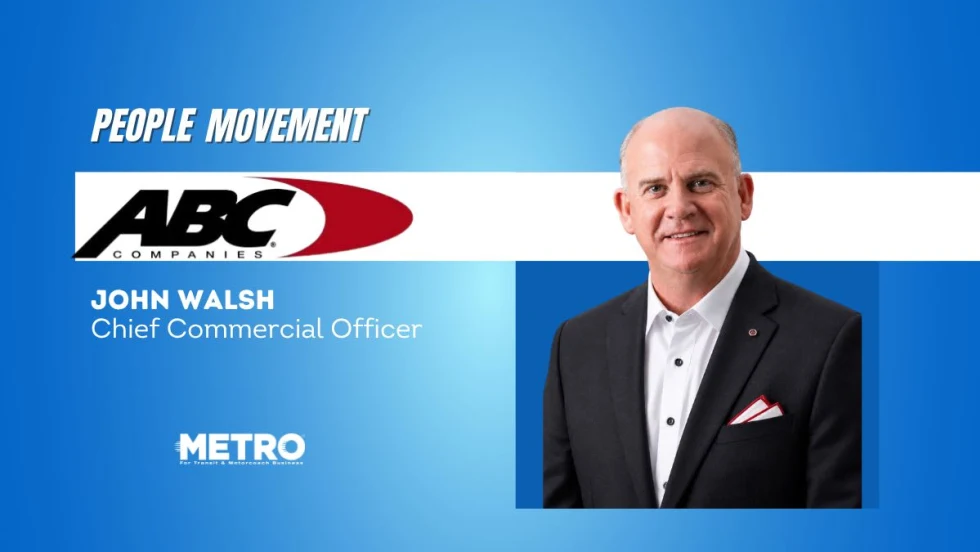
People Movement: ABC Names John Walsh as Chief Commercial Officer
In this edition, METRO also covers recent appointments and announcements at the DART, STV, and more, showcasing the individuals helping to shape the future of transportation.
Read More →
From Surviving to Thriving: Building Stronger Transportation Organizations
Bus Business Consultants founder Brian Dickson shares lessons on leadership, organizational health, and creating options for long-term success in a changing transportation industry.
Read More →