



Stimulus, reauthorization hot topics at APTA BMBG meeting
Other topics included sustainability and workforce development initiatives; public-private partnerships; and a session on the impact of the current economic conditions on the transit industry.

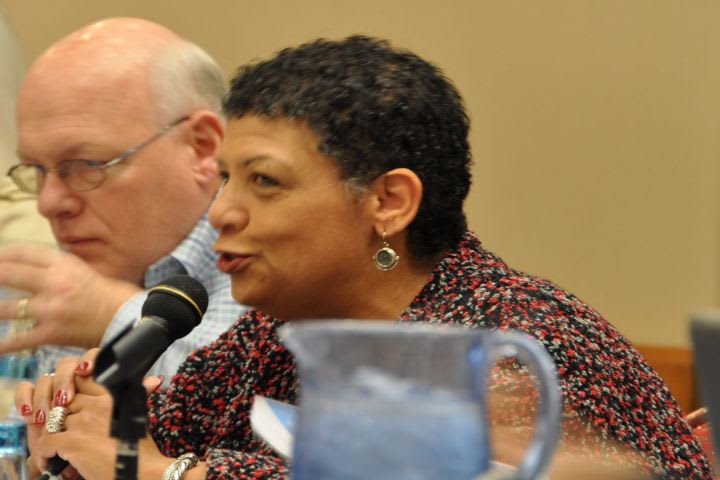
Dr. Beverly Scott and Bill Millar at APTA's BMBG annual meeting.
[IMAGE]bev-W.jpg[/IMAGE]
APTA’s Business Member Board of Governors (BMBG) held its Annual Meeting Jan. 15 to 16 in Orlando, Fla., discussing vital topics, including the economic stimulus package and federal reauthorization.
APTA Chair Dr. Beverly Scott spoke about the importance of the group’s private sector members and the current environment they are operating today, citing the need to maintain focus. Dr. Scott also mentioned how the mass transit discussion has expanded to include energy, homeland security, the environment and quality of life issues, as well as the worldwide economic downturn. She closed by mentioning the executive committee’s meeting in November and their discussions about the need to think out-of-the-box when it comes to reauthorization issues, development of a new strategic plan for the organization and the establishment of a task force to work on governance issues.
Bill Millar, APTA’s president, commented on transit’s ridership gains, huge referendum wins in November and the current economic crisis’ impact on the industry.
Significantly, Millar spoke about the economic stimulus package, which would provide $9 billion for transit, $1.9 billion for intercity passenger rail and $30 billion for highways, and that there was a conference call setup that afternoon with House Transportation and Infrastructure Committee Chairman Jim Oberstar (D-Minn) to discuss the ability of vehicle manufacturers to commit funds in the required period of time. Under the terms of the package, projects must be started in 90 or 120 days, or the agency would risk losing its funds to somebody who was more prepared. Millar added that the projects would be 100 percent federally funded, maintenance of current efforts would be required, the FTA was going to be required to get the money out quickly and job creation would be monitored.
Millar also stressed the importance of maintaining pressure on the Federal government to complete the reauthorization process in a timely manner, citing issues that occurred as a result of SAFETEA-LU’s passing two years late, including problems with jobs, contracts and sub suppliers.
Meanwhile, BMBG member Alan Wulkan said that APTA’s authorization report was published and includes all of the business members’ issues. He added that the policy and planning committee had also been asked to think about a scenario where the current federal funding model was eliminated and a new one developed.
Other topics at the meeting included reports on APTA’s various committees as well as its sustainability and workforce development initiatives; public-private partnerships; and a session on the impact of the current economic conditions on the transit industry, which included Sandra Lautenberg, Bob Brownstein, Chuck Wochele and Pat Scully.
Next year’s meeting will be held the second week of February at a site yet to be determined.
More Paratransit

People Movement: Dan Dipert Coaches Adds Third-Generation Leader, Keolis Names New Valley Metro VP/GM, and More
In this edition, we also cover recent appointments and announcements at the Wabtec, SilverRide, HNTB, and more, showcasing the individuals helping to shape the future of transportation.
Read More →
Biz Briefs: RIPTA Unveils New Frontrunners, Clevland RTA Adds New Siemens, and More
In METRO's latest installment, we take a look at recent news from Siemens, Prevost, Dodge, and more partnerships making headlines across the transportation sector.
Read More →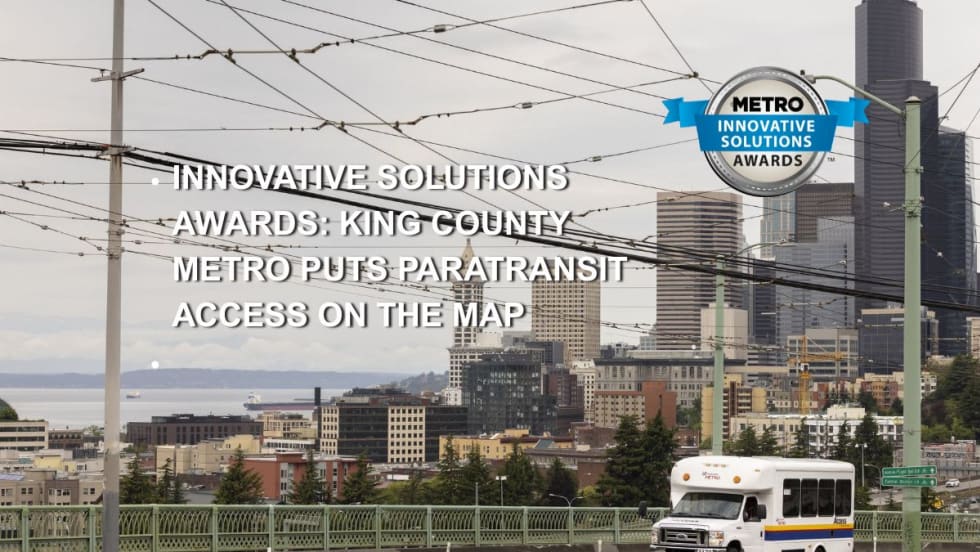
King County Metro Makes ADA Paratransit Easier to Navigate
METRO's Innovative Solutions Award winner replaces complex service-area descriptions with an accessible, interactive map that puts paratransit information directly in customers’ hands.
Read More →
Jacksonville’s NAVI Project Charts a New Course for Autonomous Public Transportation
Through its NAVI program, JTA is showing how autonomous vehicles, intelligent infrastructure, and coordinated operations can work together to deliver everyday public transportation.
Read More →
Driving Smarter Paratransit
John Hanlon shares how AlphaRoute is leveraging AI-powered technology to help paratransit providers optimize operations, support frontline staff, and enhance the rider experience.
Read More →
METRO Magazine Announces 2026 Innovative Solutions Awards Winners
Projects Recognized for Advancing Mobility Through Technology, Accessibility, Workforce Innovation, and Operational Excellence
Read More →
Biz Briefs: STV teams with Amtrak, Motorcoach Operators Boost Fleet and Land Contracts, and More
From manufacturers and suppliers to transit agencies and motorcoach operators, these updates offer a snapshot of the projects, partnerships and business moves driving the industry forward.
Read More →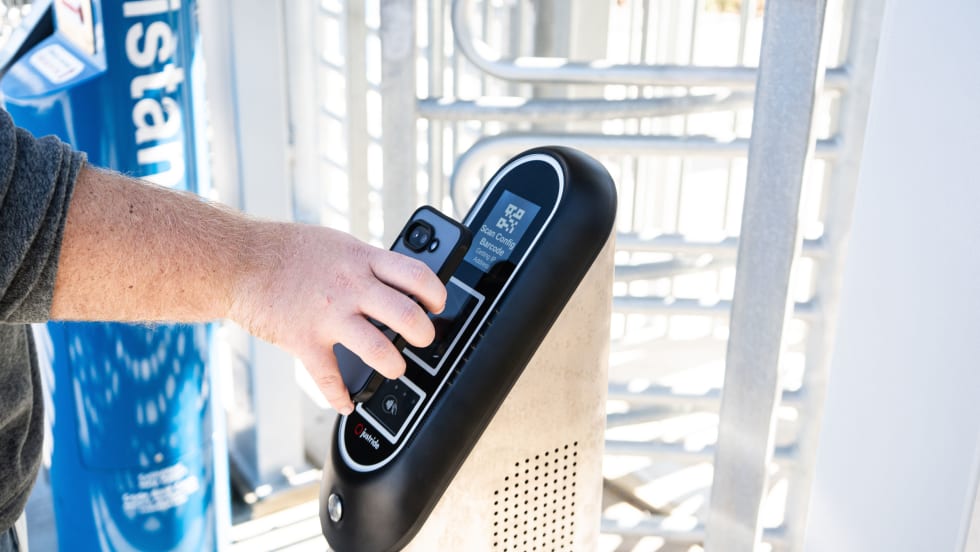
Biz Briefs: Masabi Teams with St. Louis Metro and More
In METRO's latest installment, we take a look at recent news from Transdev, Hitachi, and more partnerships making headlines across the transportation sector.
Read More →
New York MTA Leverages Zoning Program to Advance Station Accessibility
Accessibility enhancements at Nevins St Station will be financed through a development agreement tied to the MTA's Zoning for Accessibility initiative.
Read More →
Reinventing Fleet Maintenance with Real-time Visibility and AI
Transit leaders need to know what needs fixing, where to look, who is responsible, when work is completed, and what it costs without having to chase information across disconnected systems.
Read More →