



Tenn. transit offers job training to disabled students
Nashville MTA offers internships to students in the Metro Nashville Schools Community Based Transition Program, which provides job and life skill training to students between the ages of 18 and 22.


Jessica Adkins (center) is one of seven teachers in Metro Schools Community Based Transition Program. She is working with students (left) Rita Subba, Mikel Babb, Cailyn Wheaton and Robert Dockery as they sort bus schedules as part of their internship at Nashville MTA.

Jessica Adkins (center) is one of seven teachers in Metro Schools Community Based Transition Program. She is working with students (left) Rita Subba, Mikel Babb, Cailyn Wheaton and Robert Dockery as they sort bus schedules as part of their internship at Nashville MTA.
Nashville Metropolitan Transit Authority (MTA) is giving a group of Metro school students with disabilities an opportunity to learn life skills that will benefit them long into the future, as well as work in public transportation.
MTA is participating in the Metro Nashville Schools Community Based Transition Program (CBTP), which “provides a continuum of transition services to students with disabilities,” according to their Webpage. Students between the ages of 18 and 22 with intellectual and physical disabilities continue their education through this program that teaches job skills, as well as life skills. They work with various organizations and companies in non-paid internship positions performing various duties.
In addition, students attend classes where lessons are taught in life skills, such as balancing a checkbook, how to introduce oneself and professional behavior in the work environment.
“This is an opportunity for us to reach out in a different way to our community,” said MTA Board Chair Jeffrey P. Yarbro. “Not only do these students provide a necessary service for MTA, but we can assist in their continuing education and transition into the working world.”
Kathryn Deitzer, transition coach and business and community liaison for the program through Metro schools, explained Nashville Mayor Karl Dean provided the opportunity for the program to be presented to all Metro department heads and Nashville MTA CEO Paul J Ballard jumped right on board.
Robert Greene, lead dispatcher with Nashville MTA, supervises up to six students who are enrolled in the program. “These students are filling an everyday need here at MTA such as sorting our bus schedules for the drivers. They provide a great service to us, and in my assessment, this is a win-win situation,” he said.
Before beginning their workday at MTA, students attend class in the morning to prepare them for their work duties that day. They then are taken to the jobsite where they work until lunch or early afternoon. From there it’s back to the classroom where they continue lessons in life skills.
The first CBTP classroom was located at the former Tennessee Christian Medical Center (now Skyline Madison Campus) during the 1994-95 school year. With a successful first year, the program opened more classrooms and opportunities for students. Today, classrooms can be found at seven locations across the city and internships are provided at numerous businesses and agencies.
In addition to Nashville MTA, other Metro agencies that are participating in the program by providing either classroom space and/or internships include Metro Water Services, Parks and Recreation, the Davidson Criminal Justice Center and the downtown library.
“This is a great program, and we are excited to have these students interning at MTA,” Yarbro said. “It’s worthwhile for everyone involved.”
More Paratransit

King County Metro Makes ADA Paratransit Easier to Navigate
METRO's Innovative Solutions Award winner replaces complex service-area descriptions with an accessible, interactive map that puts paratransit information directly in customers’ hands.
Read More →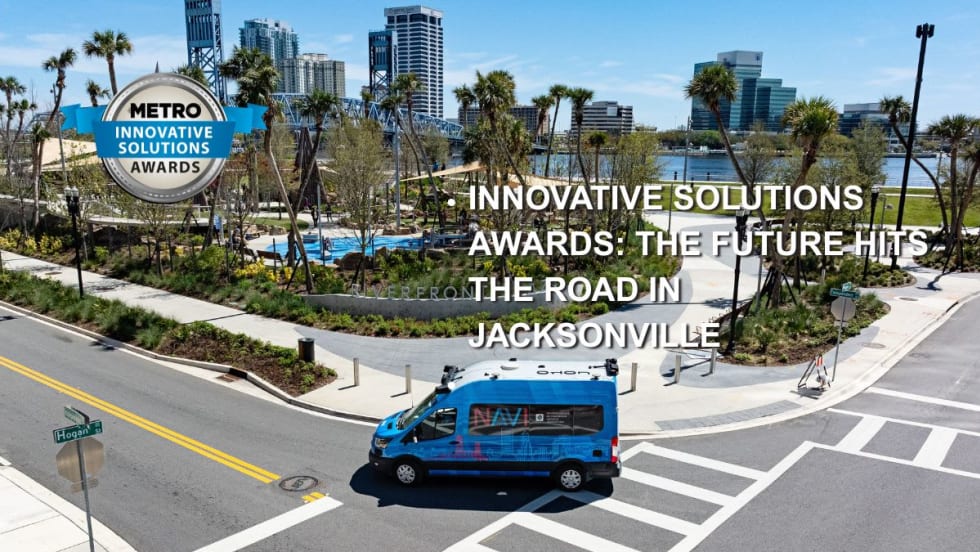
Jacksonville’s NAVI Project Charts a New Course for Autonomous Public Transportation
Through its NAVI program, JTA is showing how autonomous vehicles, intelligent infrastructure, and coordinated operations can work together to deliver everyday public transportation.
Read More →
Driving Smarter Paratransit
John Hanlon shares how AlphaRoute is leveraging AI-powered technology to help paratransit providers optimize operations, support frontline staff, and enhance the rider experience.
Read More →
METRO Magazine Announces 2026 Innovative Solutions Awards Winners
Projects Recognized for Advancing Mobility Through Technology, Accessibility, Workforce Innovation, and Operational Excellence
Read More →
Biz Briefs: STV teams with Amtrak, Motorcoach Operators Boost Fleet and Land Contracts, and More
From manufacturers and suppliers to transit agencies and motorcoach operators, these updates offer a snapshot of the projects, partnerships and business moves driving the industry forward.
Read More →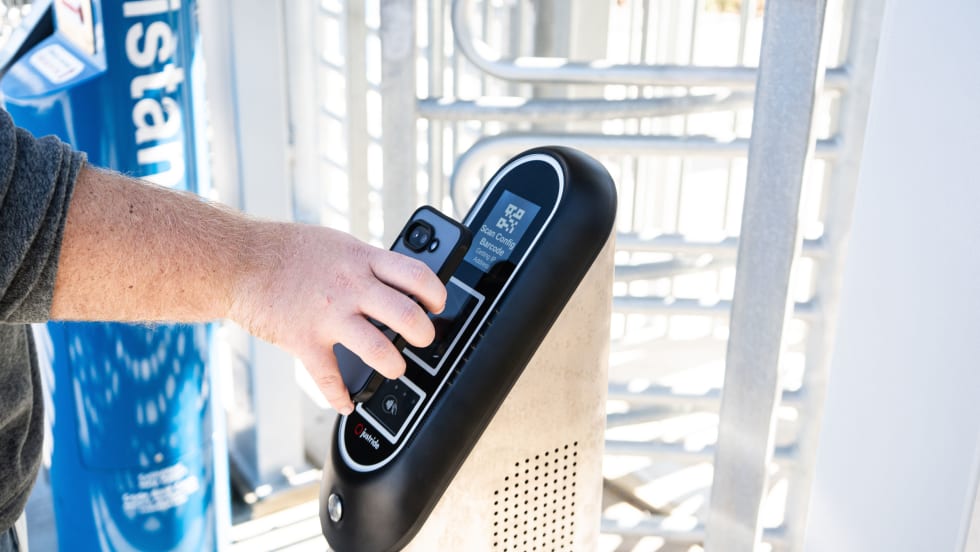
Biz Briefs: Masabi Teams with St. Louis Metro and More
In METRO's latest installment, we take a look at recent news from Transdev, Hitachi, and more partnerships making headlines across the transportation sector.
Read More →
New York MTA Leverages Zoning Program to Advance Station Accessibility
Accessibility enhancements at Nevins St Station will be financed through a development agreement tied to the MTA's Zoning for Accessibility initiative.
Read More →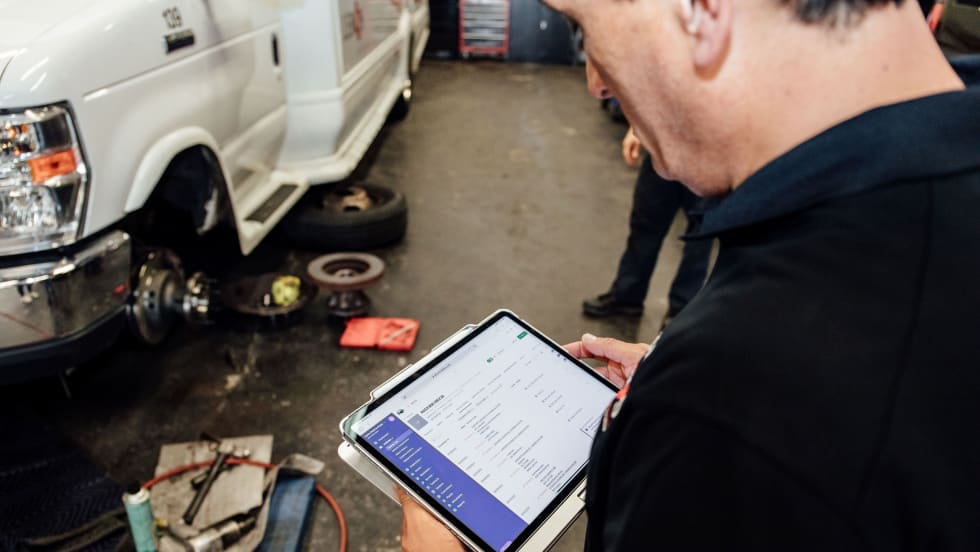
Reinventing Fleet Maintenance with Real-time Visibility and AI
Transit leaders need to know what needs fixing, where to look, who is responsible, when work is completed, and what it costs without having to chase information across disconnected systems.
Read More →
SamTrans Sets Priorities for Potential Connect Bay Area Revenue
The board-approved framework allocates future funding to maintaining service, rider improvements, equity initiatives, and infrastructure repairs.
Read More →
Chicago's NITA Act Moves Into Next Phase as Service Improvements Begin
Rider-focused improvements will begin rolling out across the system immediately as CTA, Metra, and Pace increase service this summer in the six-county region.
Read More →