



Transdev names new VP, operational performance
Palle Lansman brings an approach based on work-flow efficiency, automation, and management processes that add value.

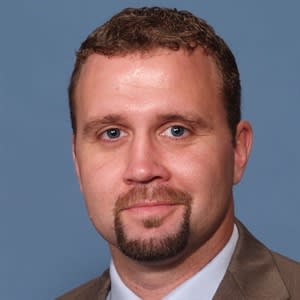
Transdev named Palle Lansman to lead its Operational Performance team, effective immediately. He has spent the last four years with Transdev in its Operational Performance Group as VP, business improvement.
In this role, Lansman worked closely with Transdev contract locations across the country to improve operations and performance on key metrics. He now will lead the group, responsible to ensure that Transdev’s commitments to quality and efficiency are met. He will report to Duane Eskierka, president, transportation and performance.
Lansman will oversee the team that works closely with challenged locations and startups, and will collaborate with various corporate departments in implementing solutions to improve and streamline operations. The group has a broad internal client base, as Transdev operates bus, paratransit, streetcar, airport and campus shuttles, and more, in some 200 cities and communities across the U.S. and Canada.
Lansman brings an approach based on work-flow efficiency, automation, and management processes that add value. His team will continue to support transit contracts, and will expand to include Transdev’s Business Solutions (campus and airport services) and its IntelliRide business unit. He replaces Roland Pilod who has been promoted to VP, finance, for Transdev Services Inc.
More Management
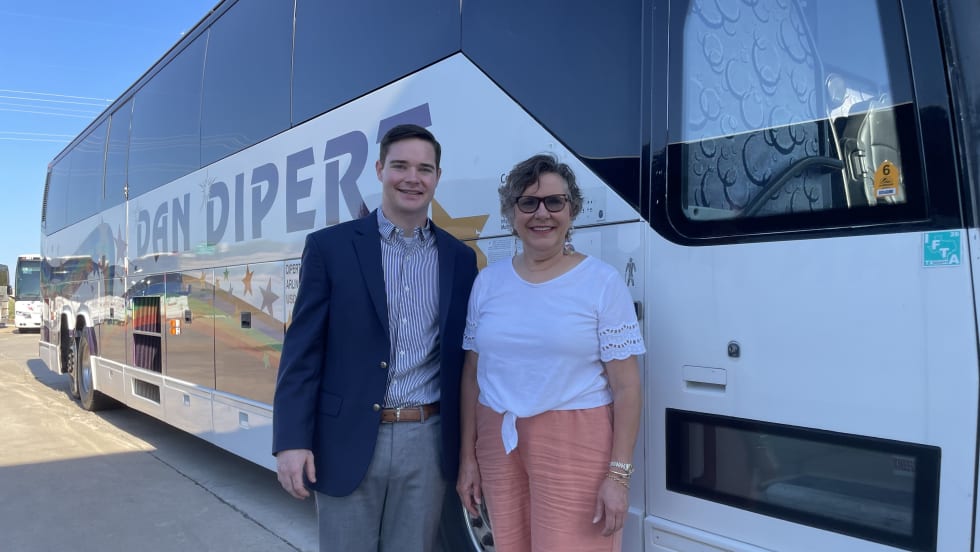
People Movement: Dan Dipert Coaches Adds Third-Generation Leader, Keolis Names New Valley Metro VP/GM, and More
In this edition, we also cover recent appointments and announcements at the Wabtec, SilverRide, HNTB, and more, showcasing the individuals helping to shape the future of transportation.
Read More →
METRO Opens Submissions for 2026 Motorcoach Awards
Nominations are now being accepted for METRO Magazine’s Operator of the Year and Innovative Operator of the Year awards.
Read More →
New York MTA Advances Final Contract for Second Avenue Subway Expansion
Contract Four is the largest in the Second Avenue Subway Phase 2 project and includes construction of station infrastructure, tracks, and signals for the subway expansion, MTA officials said. Work on Contract Four will begin in 2027.
Read More →

Transit Agencies Highlight Safety Gains at National Summit
Leaders from 15 major transit systems shared crime-reduction results and safety initiatives while discussing the role of continued federal support.
Read More →
NITA Names New Leadership, Expands Reduced-Fare Program at First Board Meeting
The new regional transit authority appointed its first board chair and interim executive director while extending reduced fares across CTA, Metra, and Pace for eligible riders.
Read More →
Beyond the Checklist: A Structured Approach to Transit Maintenance
Reliability-Centered Maintenance helps transit agencies move beyond routine checklists to focus limited resources on the assets and failures that have the greatest impact on safety, reliability, and service.
Read More →
APTA 2026 Nominating Committee Selects Leadership Slate, Names Chair and Vice Chair Nominees
Leadership changes will help shape the association’s priorities and its representation of the transportation industry during the 2026–2027 term.
Read More →
DART Launches Major Security, Fare Enforcement Initiative
The 90-day demonstration will deploy coordinated security teams at five light rail stations while testing controlled access and gathering data to guide future investments.
Read More →
Advancing Fare Collection Through Technology and Innovation
Learn about delivering 1300 gates at 91 stations while managing fare evasion. Explore the large scale deployment, solution customization and real-world results that affect the region. Prepare for deployment in your region now.
Read More →
Game Day in Motion: Moving Millions During the 2026 World Cup
Between packed transit stations and team motorcoaches, see how agencies and operators across North America tackled the transportation demands of the 2026 FIFA World Cup.
Read More →