



Transit GMs explain how social media impacts their agency - QOTD
Transit executives from Oceanside, Calif. to Alexandria, Va. weigh in on the positive and negative impacts of social media.


Varga
Tucker
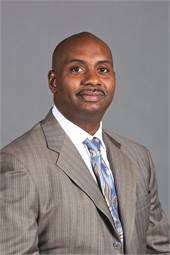
Matthew O. Tucker, Executive Director
North County Transit District
Oceanside, Calif.
NCTD uses social media extensively. Our interactions on Twitter, Facebook and Instagram have allowed us to maintain a two-way conversation with our customer base. By engaging with riders who post photos and stories, we have expanded our eyes and ears into every corner of the district, allowing us to respond quickly to service issues and share positive stories in real-time. Occasionally, we see posts from San Diegans that show and encourage dangerous or illegal activity, such as track-crossing or trestle-jumping. Fortunately, the posts allow our code and law enforcement team to identify potentially hazardous situations and educate the public about transit safety.
Wiley
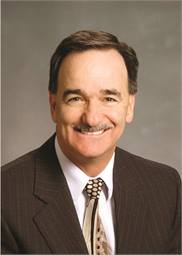
Mike Wiley, GM/CEO
Sacramento Regional Transit District
Sacramento, Calif.
Social media provides the Sacramento Regional Transit District (RT) an additional avenue to quickly connect with an engaged portion of our riders on a regular basis.
RT uses Facebook and Twitter to disseminate important information regarding district news, construction projects, events, service changes, disruptions and more.
Social media is also a great two-way communications channel. Customers can easily contact RT through comments and mentions and often provide great feedback. Users have been the first to alert us to technical problems or issues occurring on the system.
Social engagement does require staff time and opens RT to the unavoidable criticism from users who may never be satisfied, but the positives highly outweigh the negatives.

Modell
Sandy Modell, CEO/GM
Alexandria Transit (DASH)
Alexandria, Va.
This year, DASH celebrated its 30th Anniversary of Driving Alexandria Safely Home. This milestone gave us the opportunity to use Facebook and Twitter to announce monthly promotions and to use social media as a way to engage the community in these efforts. We asked our community of both riders and non-riders to post and tweet pictures and made announcements of our promotional activities, both before and after they happened. In doing this, there is a sense of greater involvement by the community in a much larger way than traditional methods have allowed. Social media has provided us a great opportunity to get our message and calls to action out in a very effective and widespread way.
Varga
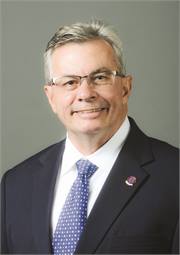
Peter Varga, CEO
The Rapid
Grand Rapids, Mich.
It’s a great tool connect with riders and the public to build relationships and have conversations. For us, social media helps reinforce our brand personality of being smart and friendly — The Rapid isn’t a huge anonymous bureaucracy. It’s people who care about their passengers and the work we do. It was also a key part of the promotion of our new BRT, The Silver Line. We started posting teaser shots — a mirror, a portion of a seat — prior to the unveiling of the new bus at a local festival. This really created excitement and anticipation. We had people come downtown just to see the bus.

Barker
J. Barry Barker, Executive Director
Transit Authority of River City
Louisville, Ky.
The most important impact social media has had on our agency is that it’s a great — and growing — venue to communicate with our passengers directly. Facebook and Twitter are two-way communications tools that allow us to inform the public and enable our passengers who are using smartphones or tablets to let us know their thoughts on our service. When we receive word about detours or traffic delays from our radio room, we can instantly let passengers know through Twitter and Facebook. Passengers have also let us know they appreciate the heads up. Also, by using Twitter, we’ve quickly been able to locate cell phones, iPads and even bicycles left on buses to their rightful owners, who know we’re paying attention to their postings on social media.
With so many passengers using smartphones and other mobile devices, our drivers can also be in the spotlight. Recently, a passenger snapped a photo of a driver giving clothing to a child who regularly rides on his route and posted the information on Facebook. The item was shared with hundreds of others, received more than 5,0000 ‘likes’ and resulted in a TV news story about the driver’s act of kindness. Having a strong social media presence also can provide us with information about challenging developments.
More Bus

New York MTA Plans Largest Bus Fleet Upgrade in More Than a Decade
The agency is seeking manufacturers for 650 new CNG buses to replace aging vehicles, improve reliability, and advance its broader fleet modernization strategy.
Read More →
Building a Flexible Path to Transit Electrification
John Hroncich discusses BAE Systems’ modular and scalable approach, lessons learned from decades of real-world operations, and how agencies can identify electrification strategies that fit their fleets.
Read More →
Bus Tech Talk: Keeping Transit Technicians Ahead of the Technology Curve
LA Metro’s Obed Mejia discusses technician training, evolving maintenance technology, fleet replacement, and strategies for getting the most out of today’s transit fleets.
Read More →
Biz Briefs: RIPTA Unveils New Frontrunners, Clevland RTA Adds New Siemens, and More
In METRO's latest installment, we take a look at recent news from Siemens, Prevost, Dodge, and more partnerships making headlines across the transportation sector.
Read More →
People Movement: Holly Arnold Joins Transdev and More
In this edition, we also cover recent appointments and announcements at Pace, CamTran, MCI, and more, showcasing the individuals helping to shape the future of transportation.
Read More →
The High Cost of Transit Buses: Industry Leaders Look to Procurement Reform
Transit leaders and policymakers examine how standardized bus designs, streamlined procurement, and predictable funding could help agencies stretch budgets and deliver better service.
Read More →
The Business Voice Behind Public Transportation
As chair of APTA’s Business Members Board of Governors, Ray Melleady explains how more than 850 business members are partnering with transit agencies to advance funding, innovation, and industry-wide collaboration.
Read More →
From Surviving to Thriving: Building Stronger Transportation Organizations
Bus Business Consultants founder Brian Dickson shares lessons on leadership, organizational health, and creating options for long-term success in a changing transportation industry.
Read More →
Finding the ‘Happy Medium’: Optimizing Maintenance Without Sacrificing Reliability
The key to maintenance optimization isn’t doing less work—it’s doing the right work at the right time on the right assets.
Read More →
LA Metro, City of West Hollywood, and Partners Advance Smarter Bus Lane Enforcement
The award-winning partnership combines AI-powered detection with human oversight to improve bus reliability, accessibility, and enforcement efficiency.
Read More →