



U of Wisconsin-Madison launches center to promote transportation careers
The Midwest Transportation Workforce Center is one of five centers nationwide to receive a $600,000 federal grant.

The University of Wisconsin-Madison is launching a new center aimed at bolstering the Midwest transportation industry by providing training and opportunities for more people to pursue careers in transportation.
The Midwest Transportation Workforce Center (MTWC) is one of five centers nationwide to receive a $600,000 grant from the U.S. Department of Transportation Federal Highway Administration. The MTWC will serve Illinois, Indiana, Iowa, Kansas, Michigan, Minnesota, Missouri, Ohio and Wisconsin.
The transportation industry as a whole is facing a range of new challenges, according to Teresa Adams, a professor of civil and environmental engineering who will lead the UW-Madison center.
“In addition to a high rate of retirements and vacancies in this field, emerging technologies, as well as environmental and climate considerations, are changing the knowledge base and skill requirements for future workers,” she says. “The center will take a strategic approach to workforce development by engaging and facilitating partnerships between transportation industry, education and economic development.”
RELATED:Workforce Development: Who Will Run Transit Tomorrow?
The MTWC will be housed within UW-Madison’s National Center for Freight and Infrastructure Research and Education (CFIRE), a center that focuses on freight issues and economic competitiveness.
“The University of Wisconsin-Madison has long operated a very successful and highly regarded transportation center,” says U.S. Rep. Mark Pocan. “I am very pleased one of the five regional transportation workforce centers will be located at UW-Madison and will further contribute to the university's excellent record of transportation research.”
The MTWC team will collaborate with the other federally funded centers to form a national network aimed at advancing transportation workforce development across the country.
“We look forward to working with industry and facilitating partnerships with K-12 and secondary schools, along with community colleges, technical schools and universities to align education and industry and to support career pathways for current and future transportation workers,” says Adams.
More Management

Pierce Transit Moves to Expand Fleet Following Proposition 1 Approval
The agency authorized the purchase or refurbishment of up to 60 buses to support a 47% service expansion, as voters nationwide approved billions in new transit funding.
Read More →
Right-Sizing Rural Transit: Lessons from North Grenville’s On-Demand Model
A small municipality shows how flexible service, rider needs, and public accountability can expand mobility with limited resources.
Read More →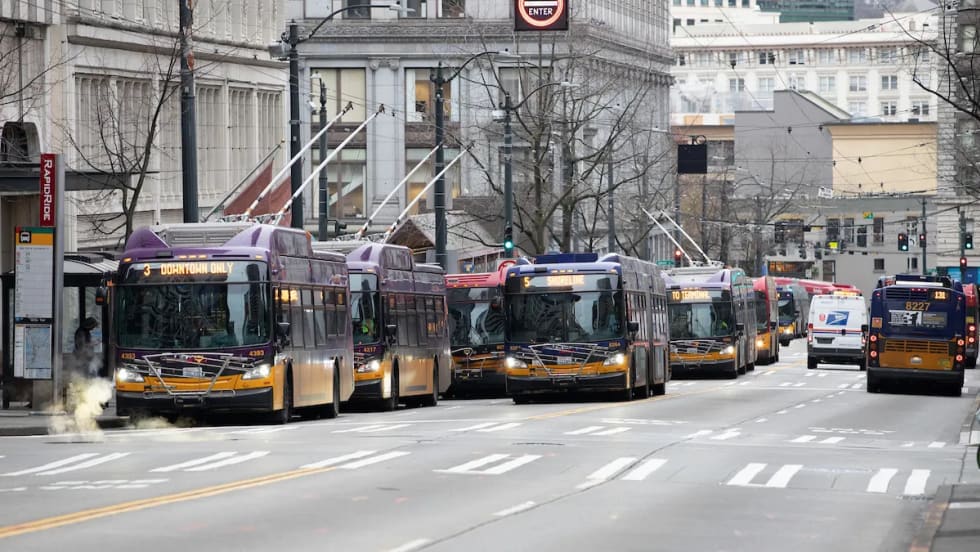
Transit Ballot Victories Signal Strong Voter Support: What Comes Next?
Voters approved billions in public transportation investments in 2026, giving agencies opportunities to preserve service, expand operations, and strengthen regional connections amid a changing political landscape.
Read More →
Transit Expands Agency Partnerships, Reaching 200 Official App Partners
COO Jake Sion discusses Transit’s growth, the success of its Transit Royale program, and how technology is helping agencies improve the rider experience.
Read More →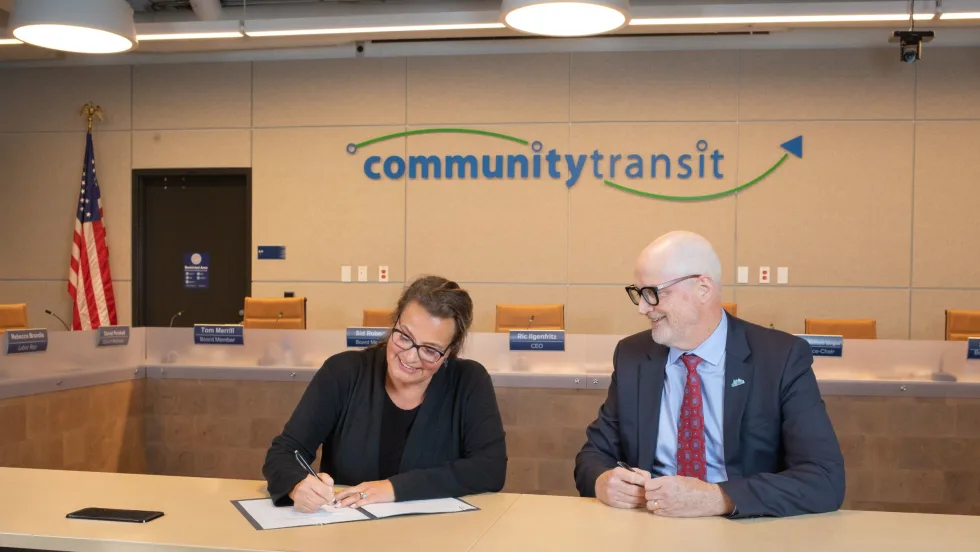
Everett Transit, Community Transit Approve Consolidation of Services
The agreement will bring Everett Transit into Community Transit’s network in April 2027, with plans to increase bus service by 50% by 2031 and expand regional connections.
Read More →
NITA Proposes $5B Operating Budget, $9.7B Capital Program for 2027
The proposed budget includes funding for expanded transit service, safety initiatives, fleet upgrades, and infrastructure improvements across CTA, Metra, and Pace.
Read More →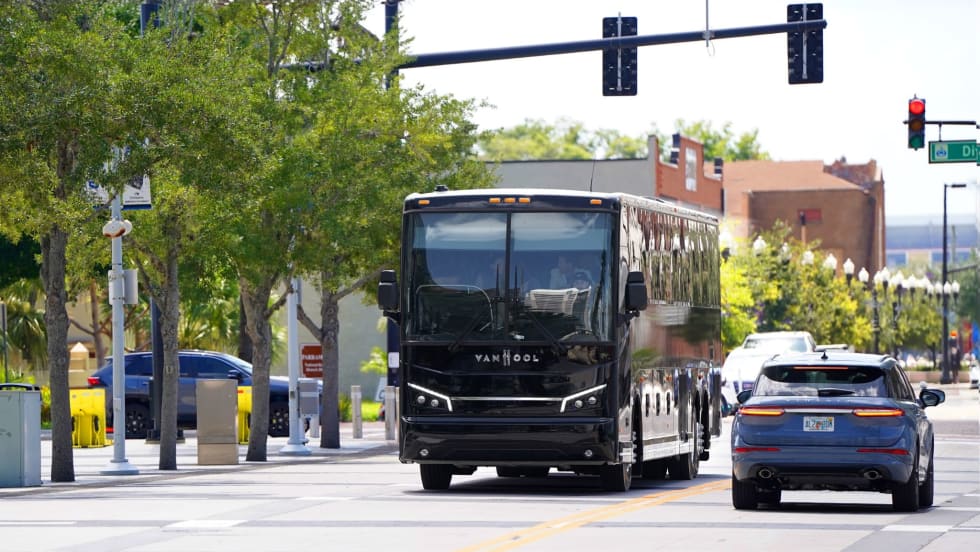
Financing, Fleet Replacement Requires a More Strategic Approach
Executives from ABC Companies and MCI discuss how rising costs, changing market conditions, and post-pandemic challenges are prompting motorcoach operators to rethink financing strategies, fleet replacement cycles, and long-term planning.
Read More →
Bringing Austin’s First Light Rail System to Life
Austin Transit Partnership CEO Greg Canally discusses the city's nearly 10-mile light rail project, its collaborative approach to project delivery, the importance of community engagement, and the milestones ahead as construction approaches in 2027.
Read More →
ETA CEO John Maglio on Transit Technology, Innovation, and Building Agency Trust
ETA founder and CEO John Maglio explores the evolution of transit technology, the importance of reliable systems, and how stronger partnerships can help agencies improve operations and the passenger experience.
Read More →
Metra Draft Plan Outlines Costs, Service Improvements for Regional Rail
The Systemwide Network Plan identifies infrastructure needs and potential investments to expand all-day, bidirectional rail service across the Chicago region.
Read More →