



U.S. DOT Doubles Investment in Regional Infrastructure Accelerators Grant Program
The Bureau issued a NOFO to solicit applications for grants to designate Accelerators that will serve defined geographic areas, provide technical resources, and fund planning and development activities to expedite project delivery.
Photo: U.S. Department of Transportation
The U.S. Department of Transportation’s (USDOT) Build America Bureau (Bureau) will add $5 million in grants to the Regional Infrastructure Accelerators (Accelerators) Demonstration Program, bringing the total investment to $10 million to expedite delivery of transportation infrastructure projects at the local and regional level.
The Bureau issued a Notice of Funding Opportunity to solicit applications for grants to designate Accelerators that will serve defined geographic areas, provide technical resources, and fund planning and development activities to expedite project delivery through the Bureau’s loan programs and other innovative financing methods, including public-private partnerships.
“The Accelerators will identify and assist high priority projects that can take advantage of the billions of dollars available in the Bureau’s flexible, low-interest loans, providing an innovative financing mechanism to jump start transformative projects and assure they are delivered expeditiously to serve the public,” said Build America Bureau Executive Director Morteza Farajian. “We look forward to adding more Accelerators to expedite project development at the local level.”
The Accelerators serve an essential project development role that can focus resources, funding, and expertise to expedite planning, development, and delivery at the local and regional level. The Accelerators assist in project planning, evaluating innovative financing, accessing technical assistance and best practices, and developing a pipeline of projects ready for investment. The Bureau will administer the Accelerators Demonstration Program and provide technical assistance and support to the grant recipients.
In the first round of Accelerators, announced last September, the Bureau selected five Regional Infrastructure Accelerators: Fresno, Calif.; Chicago; Cleveland; San Diego; and Seattle, totaling $5 million, for support carrying out a range of projects, from rail intermodal complexes, to bridge rehabilitation, to electric vehicle infrastructure, and more.
The Bureau was established as a “one-stop-shop” during the Obama Administration to help states and other project sponsors carry out infrastructure projects. The Bureau offers low-interest, long-term credit programs, technical assistance, and best practices in project planning, financing, delivery, and operation.
The Bipartisan Infrastructure Law, signed by President Biden in November 2021, expands project eligibility for the Bureau’s credit program and extends maturity of the loans, giving borrowers additional flexibility. The Bureau administers Transportation Infrastructure Finance and Innovation Act (TIFIA) and Railroad Rehabilitation and Improvement Financing (RRIF) loan programs and allocates Private Activity Bonds. During 2021, the Bureau issued $11.3 billion in loans to 25 projects across the U.S., more than the total financed in the four years prior.
More Management

Utilimarc Launches SmartReplace to Optimize Fleet Replacement Decisions
AI-powered SmartReplace helps fleets prioritize vehicle replacements, model budget scenarios, and build more defensible long-term strategies.
Read More →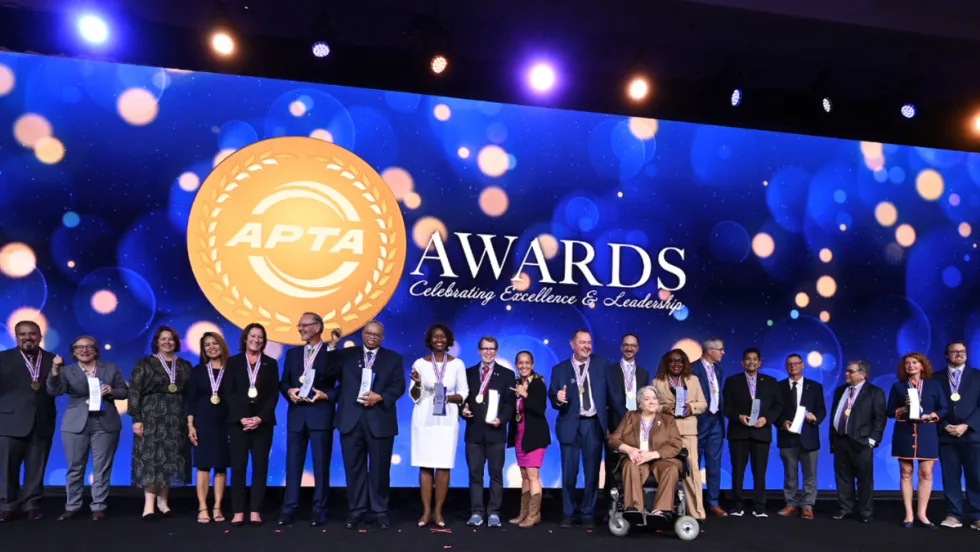
APTA Honors 2026 Award Winners, Hall of Fame Inductees at TRANSform & EXPO
Innovations in autonomous and zero-emission transportation, standout transit systems, and industry leadership took center stage among this year's honorees.
Read More →
7 Ways to Build a Better Transit Internship Program
Lessons from DRPA/PATCO’s approach to creating a meaningful internship experience—and developing the next generation of transportation professionals.
Read More →
Scenes from APTA TRANSform & EXPO 2026
Transit leaders, manufacturers, and industry professionals gathered in Chicago to explore new technologies, share ideas, and discuss the future of public transportation.
Read More →
Building Stronger Leaders, More Resilient Transit Teams
Dr. Carol Parker Walsh discusses leadership development, employee retention, workplace culture, and preparing transit’s workforce for AI and automation.
Read More →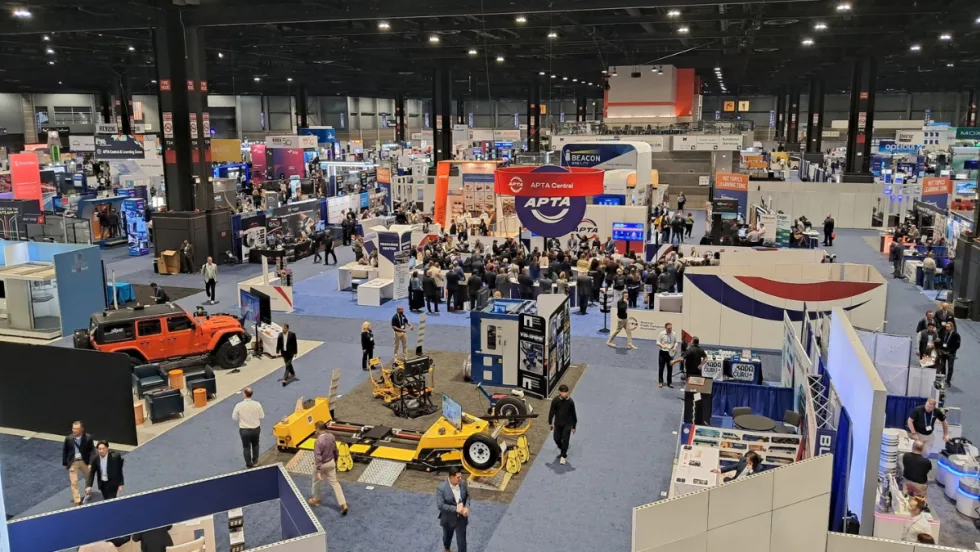
APTA 2026 TRANSform & EXPO Kicks Off in Chicago
After 45 years, APTA returns to Chicago with a focus on next-generation fleets, AI, connected transit networks, and the funding strategies shaping public transportation’s future.
Read More →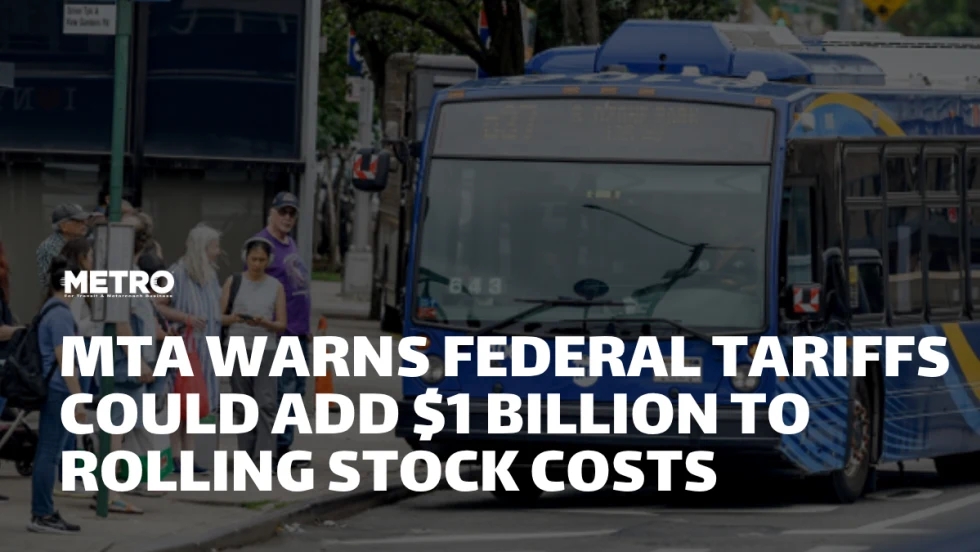
New York MTA Warns Federal Tariffs Could Add $1 Billion to Rolling Stock Costs
The agency said tariffs on specialized imported components could reduce the purchasing power of its $23 billion investment in new subway cars, railcars, and buses.
Read More →
From the Show Floor: What Happened at APTA TRANSform & EXPO 2026
See the latest product launches, partnerships, technology updates, and transit industry announcements from APTA TRANSform & EXPO in Chicago.
Read More →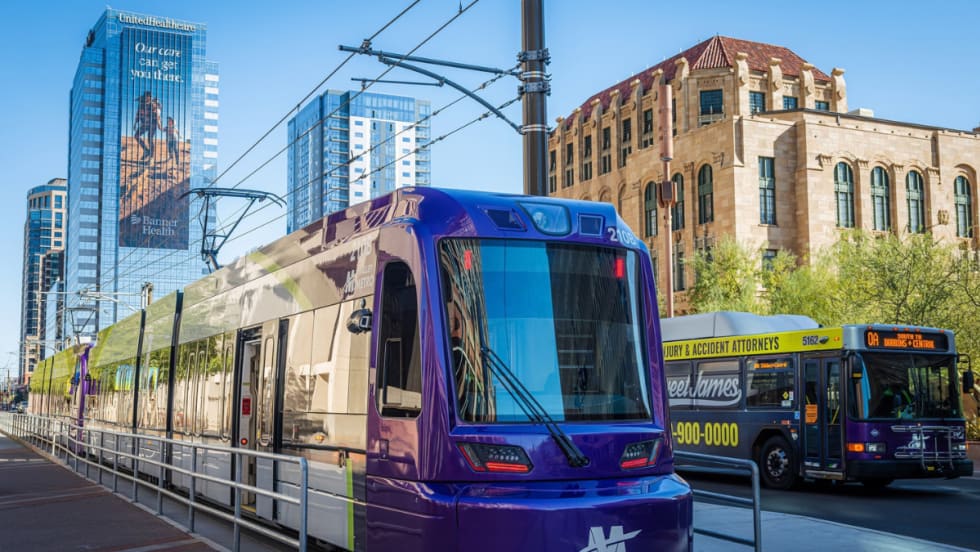
How Valley Metro Is Balancing Transit Growth With the Rider Experience
The APTA award-winning agency is pairing rapid system expansion with investments in workforce, safety, technology, and the fundamentals of transit service.
Read More →
Bus Tech Talk: Keeping Transit Technicians Ahead of the Technology Curve
In this episode of Bus Tech Talk, Complete Coach Works’ Business Development Manager Mark Hollenbeck and METRO’s Executive Editor Alex Roman sit down with Obed Mejia, Senior Technical Trainer for Bus Maintenance, at LA Metro to discuss how rapidly evolving bus technology is changing the maintenance shop — and the skills technicians need to keep pace.
Read More →